Airline Fuel Cost Surge
Rising jet fuel and commercial LPG prices squeeze operating margins for Indian airlines.
Anonymous
Key Points
1
Commercial LPG prices rose: 19-kg cylinder up from Rs 2,738 to Rs 2,747.50, and the 5-kg market-priced cylinder up from Rs 762 to Rs 764; however the domestic 14.2-kg LPG cylinder price remains unchanged at Rs 942.
2
A voluntary price-stabilisation scheme exists for ATF, where participating carriers can lock in ATF rates for up to three years by paying a fixed Rs 115 per litre, while non-participants continue at market-linked prices.
3
ATF and commercial LPG prices are revised on the first of every month, based on benchmark international prices and foreign exchange rates.
4
Historically, the August price rise followed a July price cut, marking the second consecutive monthly hike in ATF prices this year.
5
Geopolitical factors are impacting crude prices, with Brent near $91 per barrel and tensions between the US and Iran contributing to tighter oil supply expectations.
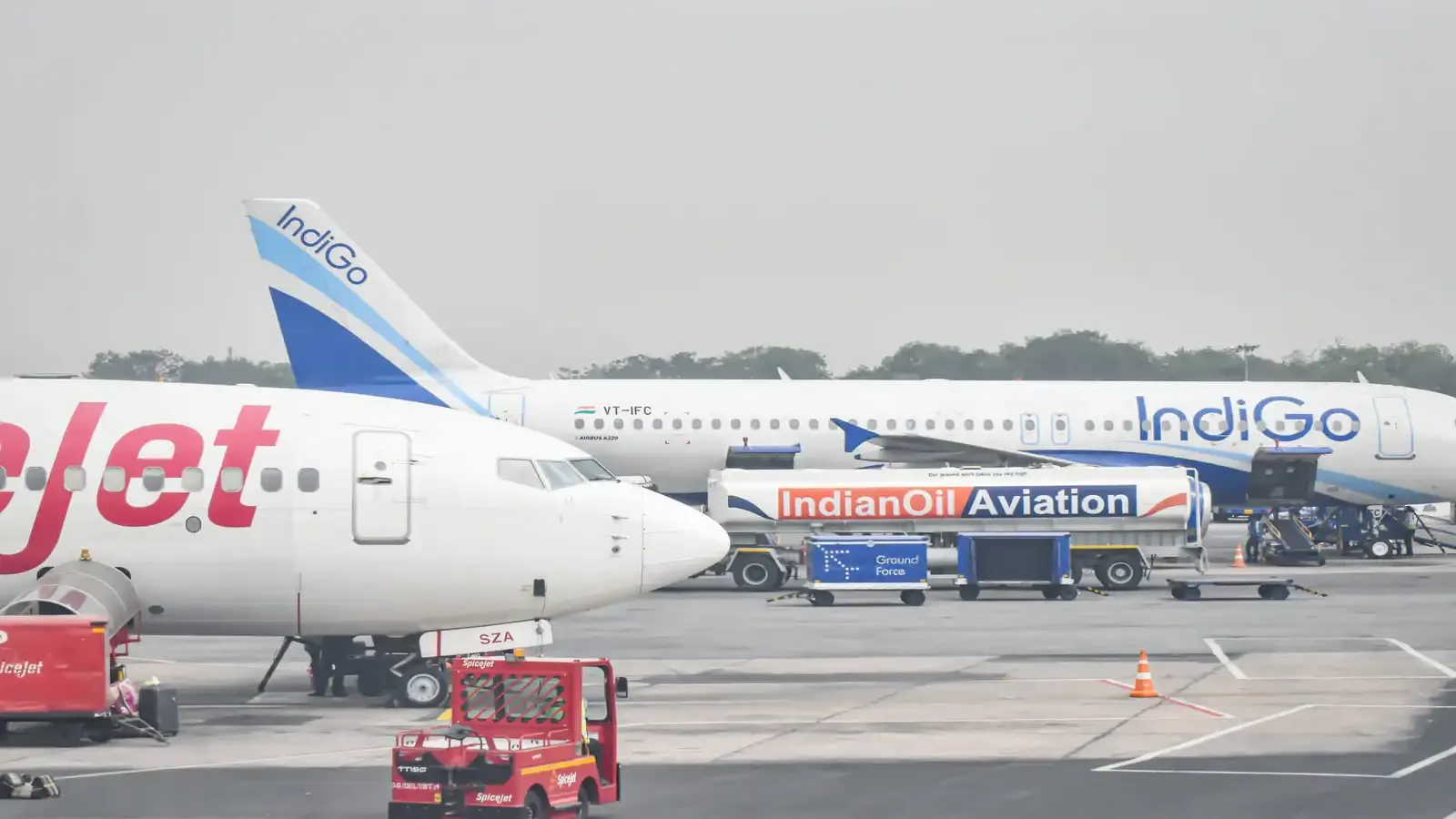
India's jet fuel prices climbed 5.46% to Rs 121.28 per liter on September 1, marking the second straight monthly increase The North Lines. The spike is squeezing airline margins, since fuel makes up 35-40% of operating costs. Higher jet fuel typically leads to pricier tickets for travelers, though demand and competition also play a role Aviation Jeta.
Commercial LPG prices also rose, with 19-kg cylinders climbing from Rs 2,738 to Rs 2,747.50 The North Lines. Brent crude hovered near $91 per barrel as Middle East tensions rippled through global energy markets. Indian carriers now face a tough choice: absorb losses or raise ticket prices in an already competitive market.
IndiGo and SpiceJet Stocks Take a Hit
Shares in India's top airlines dropped sharply after the ATF price announcement. IndiGo fell 3.6% to Rs 5,042.50 on the Bombay Stock Exchange NDTV Profit. SpiceJet also declined over 1% NDTV Profit. Investors worry that fuel costs will squeeze profits unless airlines raise fares.
The market reaction reflects real pressure. Aviation Jeta noted that higher operating costs force airlines into a corner: cut margins or pass costs to customers. Given India's price-sensitive flying market, either choice hurts growth.
Geopolitical Tensions Push Global Oil Prices Higher
US-Iran tensions are tightening global crude supplies, pushing Brent toward $91 per barrel. These price swings hit India harder than many countries since the nation imports nearly all its oil. When global crude spikes, Indian fuel prices follow within weeks through the monthly reset cycle Upstox.
The timing is tough for Indian airlines. After July's price cut, August brought another hike. Now September follows the same pattern. The back-to-back increases compound pressure on carriers already running thin margins in a competitive domestic market.
A Price Lock Option Offers Limited Relief
India offers a voluntary price-stabilisation scheme where airlines can lock in ATF rates for up to three years at a fixed Rs 115 per liter The North Lines. Carriers that join pay upfront for stability; those that skip it pay market prices and bet on future drops.
The scheme provides a hedge against wild price swings. But not all airlines can afford to lock in rates, especially smaller carriers running on tight cash. Meanwhile, household LPG prices stayed flat at Rs 942 per 14.2-kg cylinder, showing the government shields consumers while letting commercial prices float The North Lines.
What Happens Next for Ticket Prices
Airlines face a tough decision: raise fares or absorb costs. Ticket prices depend on fuel, demand, competition, and airline capacity. A 5.46% fuel hike does not automatically mean 5% higher fares. But if fuel keeps climbing, fares will likely follow Aviation Jeta.
The Indian aviation market is highly competitive. Budget carriers like IndiGo and SpiceJet fight hard for passengers. Raising fares too fast risks losing bookings to rivals. So many airlines will likely hold prices steady for now, taking margin hits and hoping crude prices fall before they are forced to act.
Sentiment
Mostly PositiveNEGATIVENEUTRALPOSITIVE
Publishers
12
Articles
7
Reach
19
A
AnonymousAuthor


