Boosting Housing and Young Homebuyers
South Korea boosts housing supply and supports young buyers with $33.72 billion package
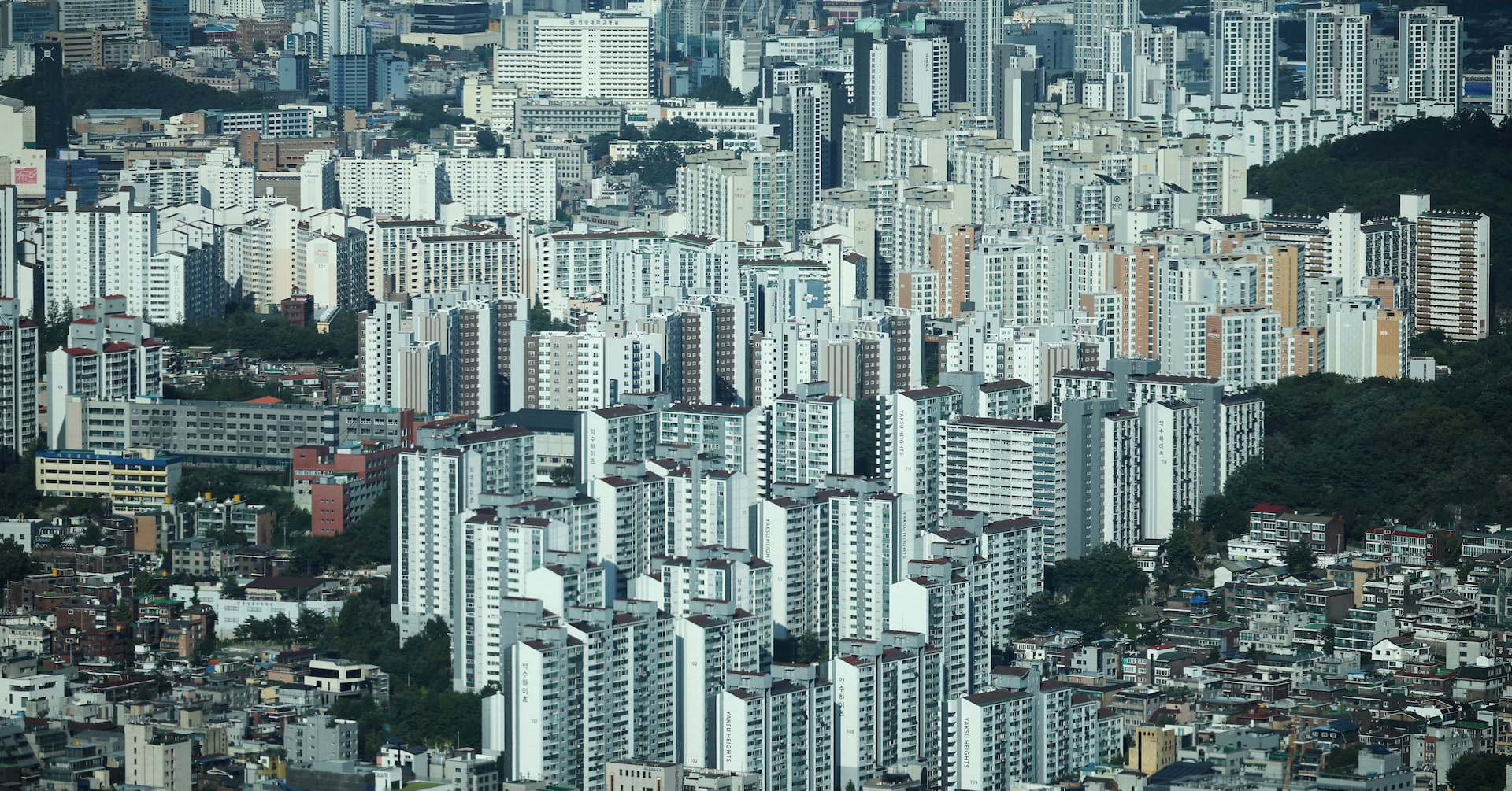
South Korea announced a major housing package on Thursday, nearly doubling financial support for construction to stabilize a hot property market. The Financial Services Commission will raise policy support for building projects to 47.8 trillion won ($33.72 billion), up from a planned 26.3 trillion won, according to Reuters.
The package also includes new policy loans aimed at young people and newlyweds buying their first home. At the same time, authorities said they would keep — or tighten — restrictions on speculative buying to prevent prices from running away again.
Construction Funding Nearly Doubles to Unlock Supply
The centerpiece of the plan is a dramatic increase in state-backed financing for housing construction. The FSC will boost policy support from 26.3 trillion won to at least 47.8 trillion won — an increase of more than 80%, according to Yahoo Finance. The goal is to get more homes built faster.
South Korea's housing market has run hot in recent years, with home prices in Seoul climbing sharply. A shortage of new supply has been a key driver. By pumping money into construction lending, the government hopes to bring more units to market and ease price pressure.
New Loans Give Young and Newlywed Buyers a Leg Up
Young buyers and newlywed couples will get access to new government-backed mortgage loans under the package, Bellingham Herald reported. These are policy loans — meaning lower interest rates and easier terms than standard bank mortgages. The aim is to help first-time buyers who have been priced out of the market.
South Korea has one of the lowest birth rates in the world. Encouraging young couples to buy homes is part of a broader push to make family formation more affordable. Housing costs have long been cited as a reason young Koreans delay marriage and children.
Speculation Curbs Stay in Place Alongside the Stimulus
The government was careful to pair its supply push with a warning on demand. Officials said restrictions on speculative home buying would be maintained or even tightened, according to Reuters. The dual approach is designed to boost supply without triggering a new wave of investor-driven price hikes.
Regulators have used tools like loan-to-value caps and mortgage limits in past years to cool speculation. Keeping those guardrails in place signals that authorities want more homes built — but not a frenzy of flipping or over-leveraged buying that could destabilize the market again.
President Lee Rolls Out Policy as Approval Dips Slightly
The announcement comes as President Lee's approval rating slipped to a one-month low of 51%, according to Reuters. Housing affordability is a top political concern in South Korea, especially among younger voters. A credible supply plan could help shore up support before ratings slide further.
Lee's government has faced pressure to act on housing since taking office. Prior administrations also tried supply-side fixes, with mixed results. Whether this package moves the needle will depend on how quickly construction lending actually flows to developers and how fast new units hit the market, Radio USA noted.
Sentiment
NeutralPublishers
9
Articles
9
Reach
9


