Escalating US-Canada Trade Tensions
Canada Suspends Trade Talks And Imposes Reciprocal Tariffs On Twenty-Eight Billion In US Goods
Key Points
Discrepancies in the tariff base: some reports cite about $28 billion in Canadian goods, while others reference roughly $20 billion, with tariffs set to take effect at 12:01 a.m. EDT.
Tariffs are described as Section 338 measures on about $20 billion of Canadian goods, with Canada pledging dollar-for-dollar retaliation and adding to existing U.S. duties on steel, lumber and autos.
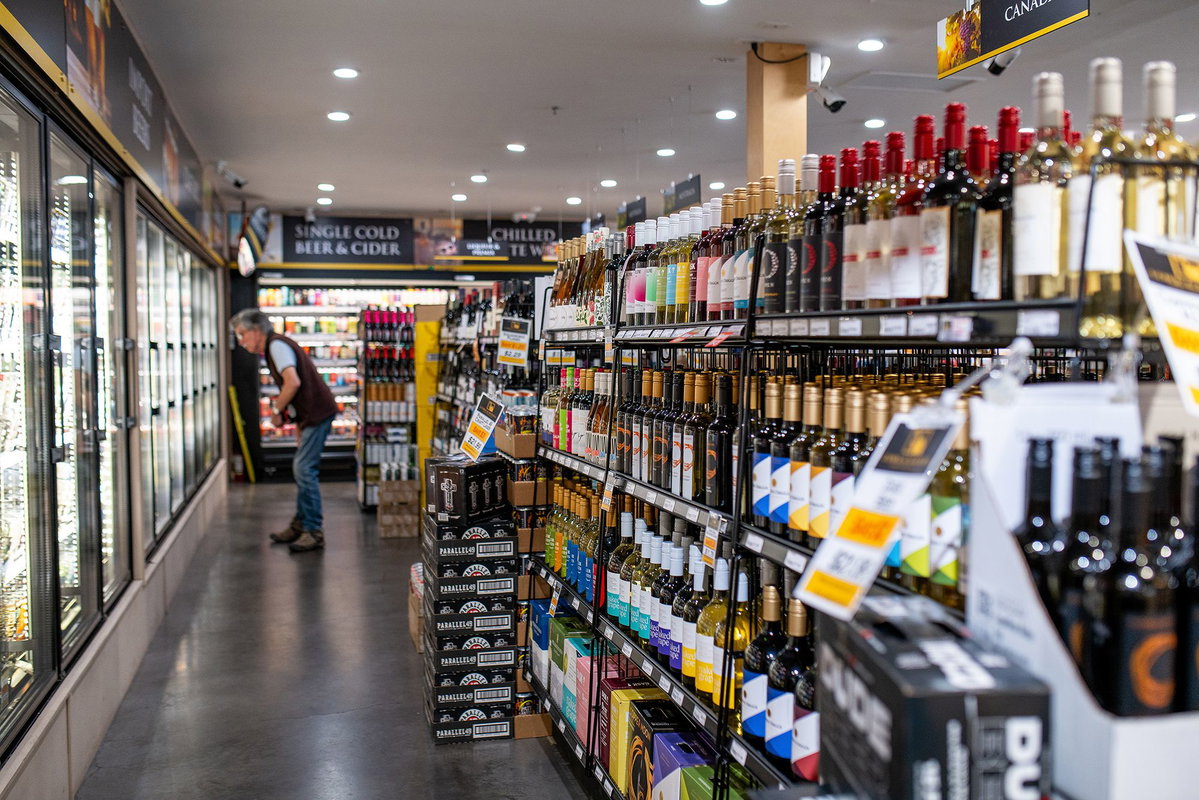
Negotiating terms reportedly discussed would have reduced U.S. tariffs on steel and aluminum from 50% to 25% and autos from 25% to 15%, and Canada sought to restore U.S. alcohol on store shelves as part of an accord.
Financial markets signaled elevated geopolitical risk, with prediction-market commentary, including expectations that gold could rise toward 4,700 per ounce by August 2026 amidst the flare-up.
A senior U.S. official framed the move as protecting American jobs and securing supply chains, emphasizing that the focus was on a limited set of relief areas that Canada sought.
The US and Canada have suspended trade talks and are now locked in a tit-for-tat tariff war. The US imposed a 50% tariff on roughly $20 billion of Canadian goods, effective at 12:01 a.m. EDT Yahoo Finance. Canada responded by vowing to match the tariffs "dollar for dollar," with Prime Minister Mark Carney announcing reciprocal 50% duties on about $28 billion in Canadian goods The Guardian.
The collapse came after last-minute negotiations fell apart over unfair terms. Canada pulled negotiators out of talks and said the US proposals were uneconomic KESQ. The tariffs affect hundreds of products, from plywood to alcoholic beverages, marking a significant escalation that threatens about 5% of Canadian exports and could derail broader free-trade discussions.
What Products Are Being Targeted
The US tariffs hit a broad range of Canadian exports. Products include plywood, alcoholic beverages, steel, lumber, and autos Yahoo Finance. Canada's reciprocal tariffs cover a similar basket of goods worth $28 billion. Steel and aluminum shipments face particularly heavy duties. The autos sector also took a major hit, as tariffs apply to car parts and finished vehicles.
Why Negotiations Failed at the Last Minute
Both sides had reportedly discussed a deal. The US would reduce tariffs on steel and aluminum from 50% down to 25%, and from 25% down to 15% on autos NTD. Canada also sought to restore US alcohol on store shelves as part of any agreement. But the final US terms reportedly shifted unfavorably. Carney said the new demands were unfair, even though "some progress was made."
The gap between the two sides proved too wide to close. Canada walked away, saying it would not accept uneconomic terms KESQ. Instead, both countries moved forward with their prepared tariff lists. This marks one of the sharpest US-Canada trade breakdowns in recent history.
The US View: Protecting American Jobs and Supply Chains
US officials framed the tariffs as necessary to protect American jobs and secure domestic supply chains NTD. A senior US official said the focus was on "a limited set of relief areas" that Canada had requested. The administration argued that tariffs on steel, aluminum, and autos would strengthen US manufacturing and reduce dependence on Canadian imports.
Markets Brace for Geopolitical Risk and Gold's Rise
Financial markets quickly signaled alarm over the trade escalation. Prediction markets and analyst commentary flagged elevated geopolitical risk Alto. Gold prices drew particular attention, with expectations that the precious metal could climb toward $4,700 per ounce by August 2026. Traders moved money into safe-haven assets like gold and bonds to hedge against further tariff shocks.
Sentiment
Mostly NegativePublishers
31
Articles
164
Reach
195


