Lula-Trump Tariff Talks
Lula and Trump Open High-Level Talks to Resolve Ongoing US-Brazil Tariff Dispute
Key Points
The United States' July tariffs on Brazil included a 25% duty on most imports and a 12.5% levy on goods from dozens of other nations, broadening the impact beyond a single sector.
The Lula–President Donald Trump call lasted about 1 hour and 20 minutes and was described as friendly and cordial, with indications that high-level talks and continued cooperation could be pursued.
Lula rejected the U.S. Office of the United States Trade Representative's allegations—deforestation, corruption, and forced labor—as unfounded, and argued Brazil has instruments to confront organized crime without labeling gangs as terrorists, including the concept of 'financial strangulation'.
Trump has backed several right-wing candidates in Latin America and is allied with Brazil's jailed former president Jair Bolsonaro, with Bolsonaro’s son Flavio identified as Lula's main rival in the upcoming election.
In addition to tariff issues, the discussions addressed Ukraine and the Middle East with a shared emphasis on negotiated solutions, and Lula referenced Brazil's positions on Iran during the talks.
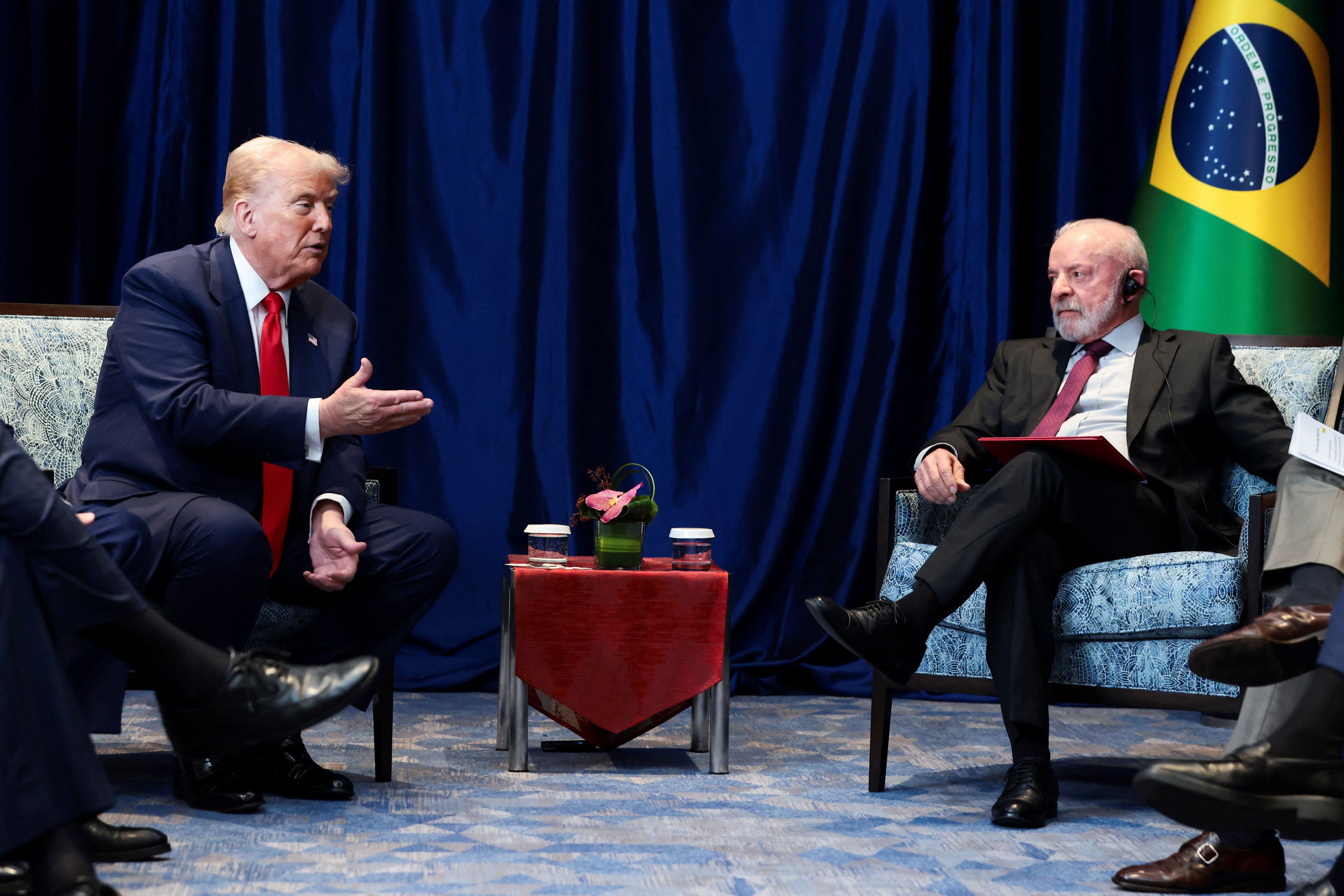
Brazilian President Luiz Inácio Lula da Silva called on Donald Trump to resolve the U.S. tariff dispute, describing Washington's measures as baseless and damaging to both economies. According to Market Screener, the two leaders spoke for about 1 hour and 20 minutes in what was described as a friendly and cordial conversation, with Trump signaling that high-level officials should meet soon to discuss the issue.
The call comes after the U.S. imposed steep tariffs on Brazilian goods in July, including a 25% duty on most imports UPI. Lula rejected the U.S. accusations behind the tariffs—including deforestation, corruption, and forced labor—and pushed for continued negotiations as the best path forward for both nations.
Trump Signals Willingness to Sit Down and Talk
During the phone call, Trump told Lula that U.S. officials should meet soon to discuss the tariff dispute Market Screener. Lula emphasized that staying at the negotiating table is the best option for both countries. The Brazilian leader stressed that Washington's tariffs lack justification and harm both economies at a critical time.
TeleSur English reported that the two leaders agreed to continue negotiations over the tariffs. The cordial tone suggests both sides want to find common ground. However, concrete details about when officials will meet or what solutions might look like remain unclear.
Brazil Pushes Back on U.S. Accusations
Lula rejected three main allegations behind the tariffs: deforestation in the Amazon, corruption, and forced labor in Brazilian industries. The president argued that Brazil has the instruments to address these issues independently and does not need U.S. pressure or interference. He urged Washington not to meddle in Brazil's domestic affairs, especially with an election approaching in October.
On the issue of organized crime, Lula resisted U.S. pressure to label Brazilian gangs as terrorist organizations. Instead, he proposed what he called "financial strangulation"—cutting off criminal groups' access to money and resources. This approach reflects Brazil's preference for tackling gang violence through economic means rather than military designations.
Political Pressures Shape Both Leaders' Negotiating Positions
Lula is campaigning on sovereignty and resisting foreign pressure as Brazil heads into an October election. Market Screener noted the conversation reflects broader U.S.-Brazil diplomacy aimed at diffusing tariff tensions while balancing domestic political needs on both sides. Trump has previously backed right-wing candidates across Latin America and remains allied with Bolsonaro, Lula's political rival.
The timing is delicate for both leaders. Trump faces pressure to show strength on tariffs, while Lula must demonstrate he can protect Brazil's interests without appearing weak. The friendly tone of their call suggests both want to avoid escalation before higher-level talks begin.
Broader Issues Beyond Tariffs on the Agenda
The leaders also discussed Ukraine and the Middle East, with both emphasizing the need for negotiated solutions rather than military action UPI. Lula referenced Brazil's position on Iran during the talks, signaling that trade disputes are not the only issue shaping their relationship. Strengthening bilateral cooperation and preserving strong trade ties remain important goals for both sides.
Sentiment
Mostly NegativePublishers
12
Articles
114
Reach
126