AI: Consumer Innovation
Consumer Giants Embrace AI to Accelerate Product Innovation and Reduce Development Costs
Anonymous
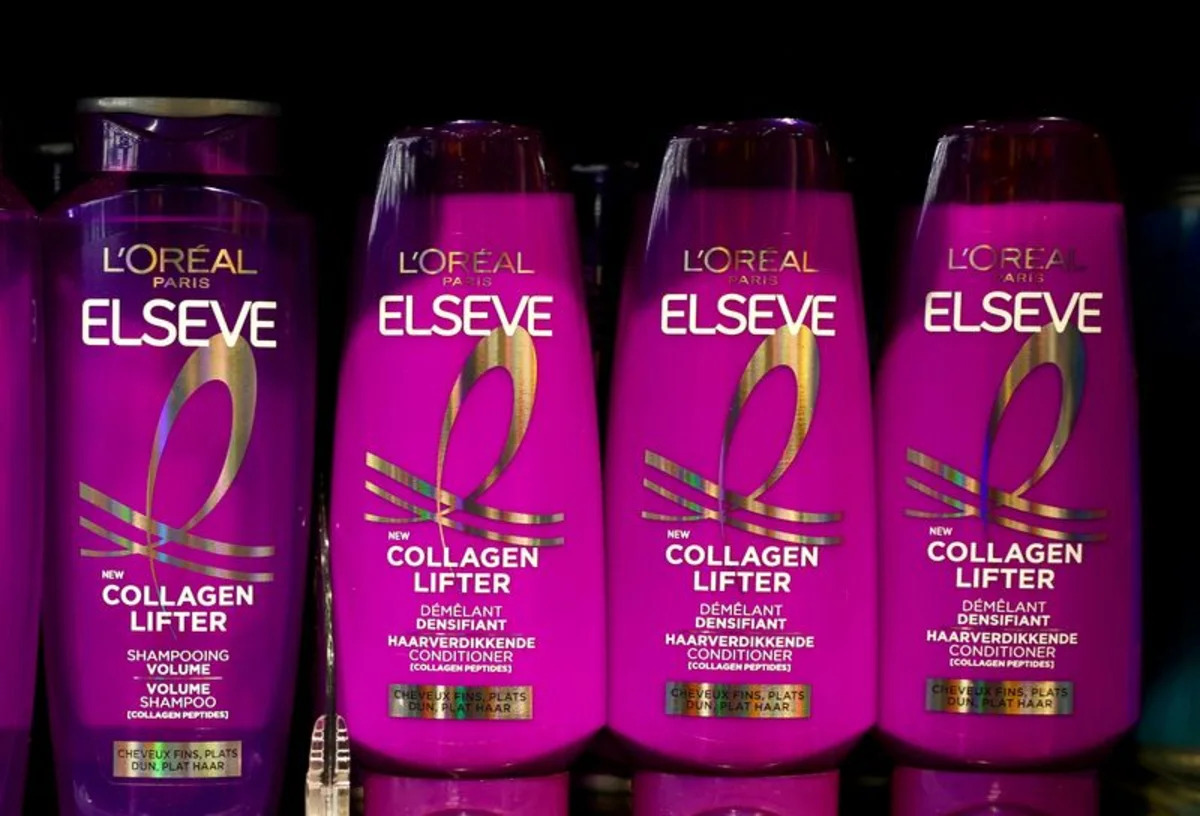
Consumer goods giants are turning to artificial intelligence to build better products faster and cheaper. L'Oreal now creates products four times faster than before after using AI to find molecules in its skincare line that could work in shampoo, according to Yahoo Finance.
From cookies to cosmetics, the shift is spreading fast. Companies like Mondelez are also adopting AI tools to speed up innovation and cut development costs across their product lines, Global Banking and Finance reported.
L'Oreal Uses AI to Repurpose Ingredients Four Times Faster
L'Oreal's AI system scans existing skincare formulas to find ingredients that could work in new products. The French cosmetics giant used this approach to identify molecules from skincare that could be repurposed for shampoo. The result was a product development cycle four times faster than traditional methods, according to Yahoo Finance.
This kind of ingredient recycling saves time and money. Instead of starting from scratch, scientists let AI do the heavy lifting — scanning thousands of compounds in minutes. It would take human researchers much longer to do the same work manually.
Mondelez Bakes AI Into Its Cookie Development Process
Mondelez, the company behind Oreo and Chips Ahoy, is also leaning into AI to speed up how it builds new food products. The snack giant is using AI tools to cut the time it takes to go from idea to finished product, Global Banking and Finance reported.
For a company that sells in more than 150 countries, faster innovation matters. Getting a new cookie or snack to shelves quicker than rivals can mean a big edge in the market. AI helps teams test more ideas in less time.
AI Cuts Costs While Keeping Product Quality High
Beyond speed, AI helps consumer goods companies lower the cost of research and development. Traditional product testing is expensive and slow. AI can predict how a formula will perform before a single test is run, saving both time and money, according to Yahoo Finance.
This is a big deal for large brands managing hundreds of products at once. Less time in the lab means lower overhead. Companies can then shift those savings into marketing or pricing — or pass them on to shoppers.
A Broader Industry Shift Toward AI-Driven Innovation
L'Oreal and Mondelez are not alone. Across the consumer goods industry, companies are racing to add AI to their product development pipelines. The pressure to innovate faster — with fewer resources — is pushing even traditional brands to rethink how they work, Global Banking and Finance noted.
Experts say this trend will only grow. As AI tools become cheaper and easier to use, even smaller brands will be able to compete with industry giants. The companies that move first are likely to pull ahead — and keep that lead for years to come.
Sentiment
NeutralNEGATIVENEUTRALPOSITIVE
Publishers
11
Articles
86
Reach
97
Topics
A
AnonymousAuthor


