Military Polygraph Leak Probe
Senior U.S. Military Leaders Face Polygraphs in Classified Stockpile Leak Probe
Anonymous
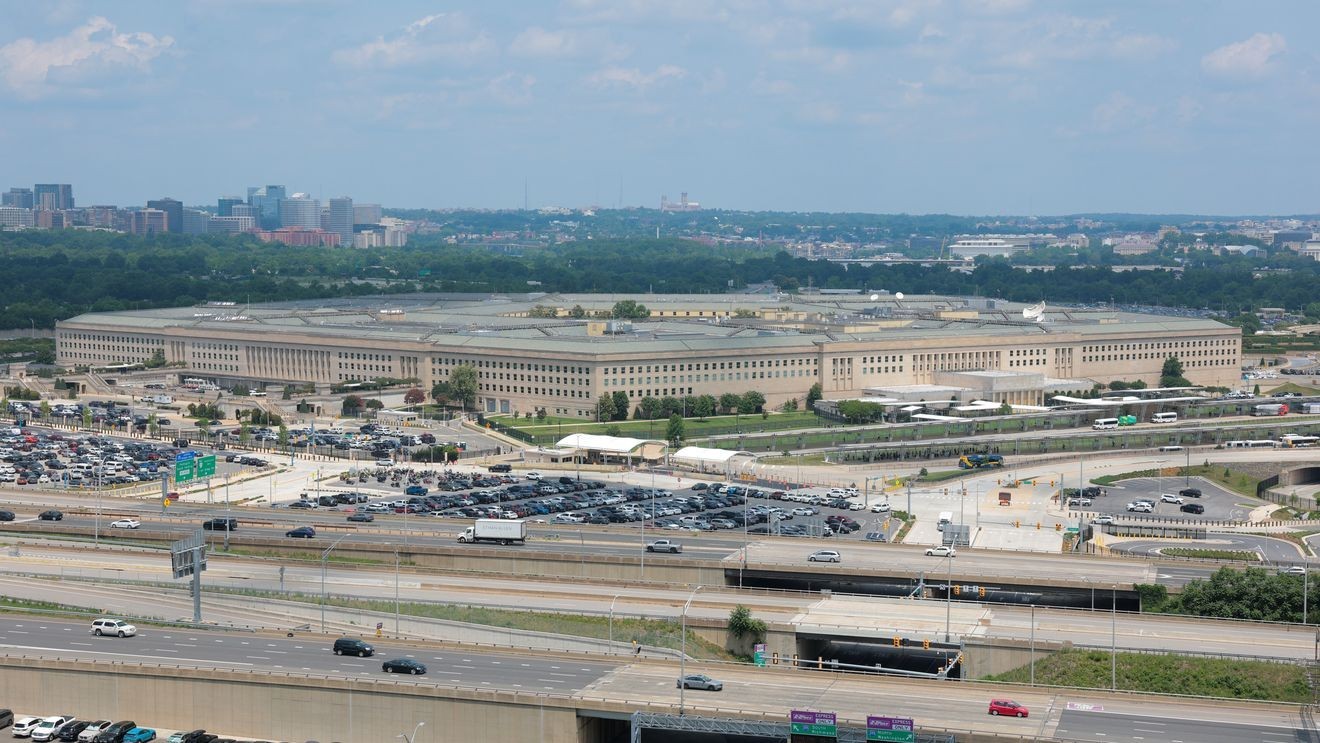
Senior U.S. military leaders, including top commanders, were subjected to polygraph tests in a sweeping investigation into leaks of classified information about British weapons stockpiles. Local 12 reported that dozens of officials from U.S. Central Command and other military branches took the tests, which focused on whether they disclosed sensitive national security secrets to journalists.
The Pentagon and Justice Department formed a joint task force to identify and prosecute suspected leakers. Pentagon spokesman Sean Parnell said the department takes classified leaks seriously but declined to comment on specific personnel or investigative details. WACH noted that the FBI did not conduct these polygraphs, as the military operates its own investigation unit.
Polygraphs Target Top Military Command
The investigation centered on leaks involving classified data about U.K. weapons reserves. Kutv reported that several dozen officials underwent questioning through polygraph tests. These tests asked whether military leaders had provided sensitive information to media outlets. The scope reached across multiple U.S. military commands, suggesting investigators suspected the breach came from high-ranking personnel with broad access to classified materials.
Pentagon Launches Joint Task Force on Leakers
The Defense Department and Justice Department joined forces to hunt down whoever disclosed the classified information. CBS Austin reported that this coordinated effort aims to find and prosecute the people responsible. Pentagon officials stressed that unauthorized leaks of classified material pose serious threats to national security and intelligence operations. The joint task force marks an escalation in how seriously the government treats breaches of military secrecy.
Military Investigators Work Without FBI Involvement
Unlike typical leak investigations, the FBI did not conduct these polygraph tests. ABC 6 on Your Side explained that the military has its own investigative apparatus and polygraph examiners. This approach allows the Pentagon to move quickly without waiting for federal law enforcement agencies. Military investigators can access classified materials more easily and understand defense protocols that regular FBI agents might not grasp during an investigation.
No Comment on Individuals or Investigation Details
Pentagon spokesman Sean Parnell maintained tight secrecy around the probe. Fox San Antonio reported his statement that the department does not discuss internal personnel matters or active investigations. This silence protects both the investigation itself and the officials being questioned. However, the polygraph testing of top military leaders signals that officials suspect the leak came from someone with very high-level access to classified British weapons information.
Sentiment
NeutralNEGATIVENEUTRALPOSITIVE
Publishers
17
Articles
16
Reach
17
A
AnonymousAuthor


