National Security Leak Crackdown
DOJ and Pentagon Launch Joint Task Force to Prosecute National Security Leaks
Anonymous
Key Points
1
DOJ subpoenas were issued to several New York Times reporters to appear before a grand jury to determine the sources of their information about security concerns over Trump’s new Air Force One; officials stressed the journalists are not themselves under investigation.
2
A two-day response window is required for any tasking requests issued by the Pentagon’s Office of General Counsel, with a mandate that all DoD components prioritize these requests and provide a full and complete response within two days.
3
Past leak probes explicitly targeted aides at the Pentagon, including Dan Caldwell, Darin Selnick, and Colin Carroll; Caldwell later left for the ODNI, but officials said there is no evidence he leaked information.
4
The crackdown is framed against a backdrop of heightened global security tensions, including ongoing military activity and tensions involving Iran and the Middle East.
5
New York Times reporting on security features (or lack thereof) on Trump’s new Air Force One, including coverage that the new plane lacked some advanced features, helped spur the subpoena actions.
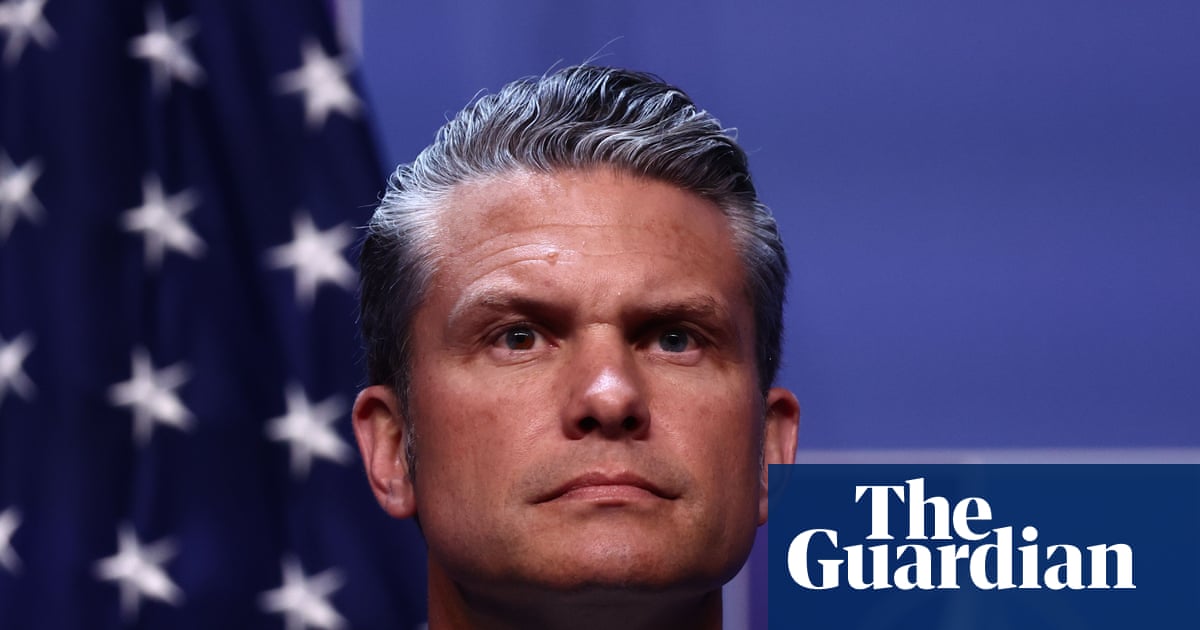
Defense Secretary Pete Hegseth has announced a joint Pentagon-DOJ task force to hunt down and prosecute government officials who leak sensitive national security information to reporters, according to Fox 4 News. The move marks one of the most aggressive crackdowns on press leaks in recent memory.
The announcement came alongside news that the Department of Justice issued subpoenas to several New York Times reporters, compelling them to testify before a grand jury about their sources. The reporters are not themselves under investigation, officials stressed — the target is whoever leaked to them.
Task Force Gets Sweeping Power to Pull Pentagon Records
The Pentagon's Office of General Counsel now has the authority to request and receive any information, records, or support from across the entire Defense Department for leak investigations, according to Fox 5 NY. Every DoD component must respond within two days — no exceptions.
Hegseth framed the effort in stark terms. Leaks, he said, "jeopardize lives" and exist only to generate headlines — not to serve the public. The task force will coordinate investigations between the Pentagon and DOJ and pursue legal action against anyone found responsible, according to Fox 10 Phoenix.
NYT Reporters Subpoenaed Over Air Force One Security Story
The DOJ subpoenas target New York Times reporters who covered security concerns about Trump's new Air Force One. Their stories reported that the new presidential aircraft lacked some advanced security features. Officials want to know who inside the government told them that, according to Nieman Lab.
Grand jury subpoenas are a powerful legal tool. They force witnesses to testify under oath or face jail time. Reporters have historically resisted them by citing press freedom protections, and legal battles over such subpoenas can drag on for months or even years.
Earlier Pentagon Leak Probes Already Targeted Senior Aides
This isn't the first time the Pentagon has gone after leakers from within. Past investigations named three specific aides: Dan Caldwell, Darin Selnick, and Colin Carroll. Caldwell later moved to the Office of the Director of National Intelligence (ODNI). Officials said there is no evidence he actually leaked anything, according to Fox 4 News.
Those earlier probes show the administration has been building toward this moment. The new joint task force essentially formalizes and expands that effort — giving investigators more tools, more reach, and a direct line to DOJ prosecutors.
Crackdown Comes Amid Rising Global Security Tensions
Officials tied the urgency of the new task force to the current global security environment. Heightened tensions involving Iran and military activity across the Middle East have raised the stakes for any unauthorized disclosure, according to Head Topics.
The message from both the Pentagon and DOJ is clear: leaking sensitive defense information will now carry serious legal consequences. The two-day response mandate and the broad authority granted to the Office of General Counsel signal that this task force is built to move fast.
Sentiment
Mostly NegativeNEGATIVENEUTRALPOSITIVE
Publishers
20
Articles
124
Reach
144
A
AnonymousAuthor


