Press Freedom Challenge
Justice Department Pauses Subpoenas for NYT Reporters in Trump Classified Leak Probe
Anonymous
Key Points
1
Subpoenas were issued by Manhattan U.S. Attorney Jay Clayton on July 10 and were targeted at The New York Times reporters; U.S. District Judge Arun Subramanian paused enforcement and scheduled, then recessed, a hearing with prosecutors seeking a two-week hold as the next steps are considered.
2
The Times reporters named in the subpoenas include Julian E. Barnes, Eric Lipton, Tyler Pager and Eric Schmitt, who were ordered to testify before a federal grand jury as part of a broader leak investigation into classified information.
3
The Times argued the subpoenas amount to harassing and intimidating journalists and violate the First Amendment, while also alleging the government circumvented internal policies that require top-level authorization for subpoenas against journalists.
4
This episode follows a broader DOJ pattern, as authorities previously pursued subpoenas against The Washington Post and The Wall Street Journal that were later withdrawn after legal challenges, underscoring a contentious push to compel sources in national-security reporting.
5
In New Jersey, the DOJ demanded data on noncitizens registered to vote amid election-security debates, seeking names, nationalities and addresses for about 6,600 noncitizens and details on roughly 400 people who reportedly voted; the request was conveyed in a letter from Harmeet Dhillon to Governor Mikie Sherrill.
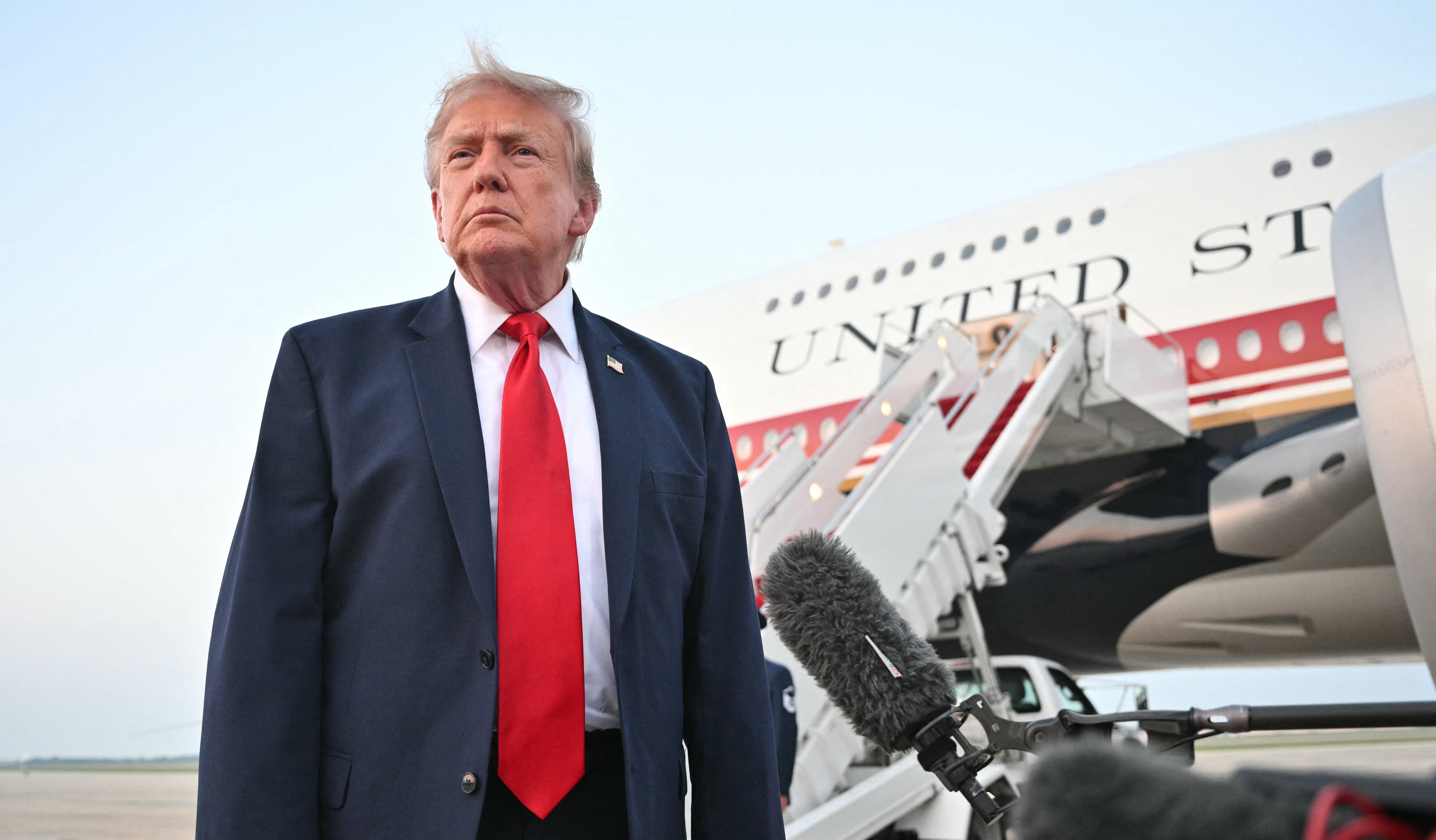
The Justice Department has withdrawn subpoenas targeting four New York Times reporters who covered security concerns about President Trump flying on a Qatari-donated plane, according to CNN and Al Jazeera. The move came after a federal judge rebuked prosecutors and paused enforcement of the subpoenas, which had ordered the journalists to testify before a grand jury about their confidential sources.
The retreat marks a significant reversal for the Trump administration, which had defended the probe as necessary to hold leakers of classified information accountable. NY Daily News reported that the DOJ dropped the subpoenas directly after the judge's rebuke, signaling that the legal pressure campaign had failed.
Four Times Reporters Named, Judge Pushes Back Hard
Manhattan U.S. Attorney Jay Clayton issued the subpoenas on July 10. They named Times reporters Julian E. Barnes, Eric Lipton, Tyler Pager, and Eric Schmitt. All four were ordered to appear before a federal grand jury. The stories at the center of the probe focused on security worries about Trump using a jet gifted by Qatar as a temporary Air Force One.
U.S. District Judge Arun Subramanian paused enforcement of the subpoenas almost immediately. He scheduled a hearing, then recessed it after prosecutors asked for a two-week hold to reconsider next steps. That pause proved to be the end of the effort. Prosecutors ultimately told the court they would withdraw the subpoenas entirely, according to Al Jazeera.
Times Accused DOJ of Violating Its Own Rules on Press Subpoenas
The Times did not go quietly. Its lawyers argued the subpoenas violated the First Amendment, which protects press freedom. They also alleged the government bypassed its own internal rules. Those rules require top-level DOJ authorization before prosecutors can subpoena journalists. The Times called the move an attempt to harass and intimidate reporters, according to KRDO.
FBI agents visited the homes of Times reporters and requested phone records as part of the investigation. Press freedom advocates said those tactics were designed to scare journalists away from using anonymous sources. Critics warned the pattern could chill investigative reporting on national security — stories that often rely on officials speaking without their names attached.
DOJ Previously Backed Down on Post and Journal Subpoenas Too
This is not the first time the Trump DOJ has pursued subpoenas against major news outlets and then retreated. Authorities previously issued similar subpoenas against The Washington Post and The Wall Street Journal. Both were withdrawn after legal challenges from those outlets, according to Market Screener. The pattern shows a repeated cycle of aggressive legal action followed by a quiet reversal.
Press advocates say the withdrawals do not fully erase the damage. Each round of subpoenas forces news organizations to spend money on lawyers and puts sources on edge. Even if the government backs down, the chilling effect on future reporting can linger long after the subpoenas are dropped.
DOJ Also Demands Noncitizen Voter Data From New Jersey
Separately, the DOJ has sent a letter to New Jersey Governor Mikie Sherrill demanding data on noncitizens registered to vote. The request, signed by Harmeet Dhillon, seeks names, nationalities, and addresses for roughly 6,600 noncitizens. It also asks for details on about 400 people who reportedly cast ballots. New Jersey has not said publicly whether it will comply.
The demand fits a broader pattern of the Trump administration pressing states and institutions for sensitive data in the name of election security. Critics say the requests go beyond what is legally required and risk exposing private voter information. Supporters argue the data is needed to verify that only eligible citizens are voting in U.S. elections.
Sentiment
Mostly NegativeNEGATIVENEUTRALPOSITIVE
Publishers
36
Articles
316
Reach
352
A
AnonymousAuthor


