Unmasking NYT Sources
Trump Administration Sought NYT Journalists' Phone Records to Unmask Sources in Leak Probe
Anonymous
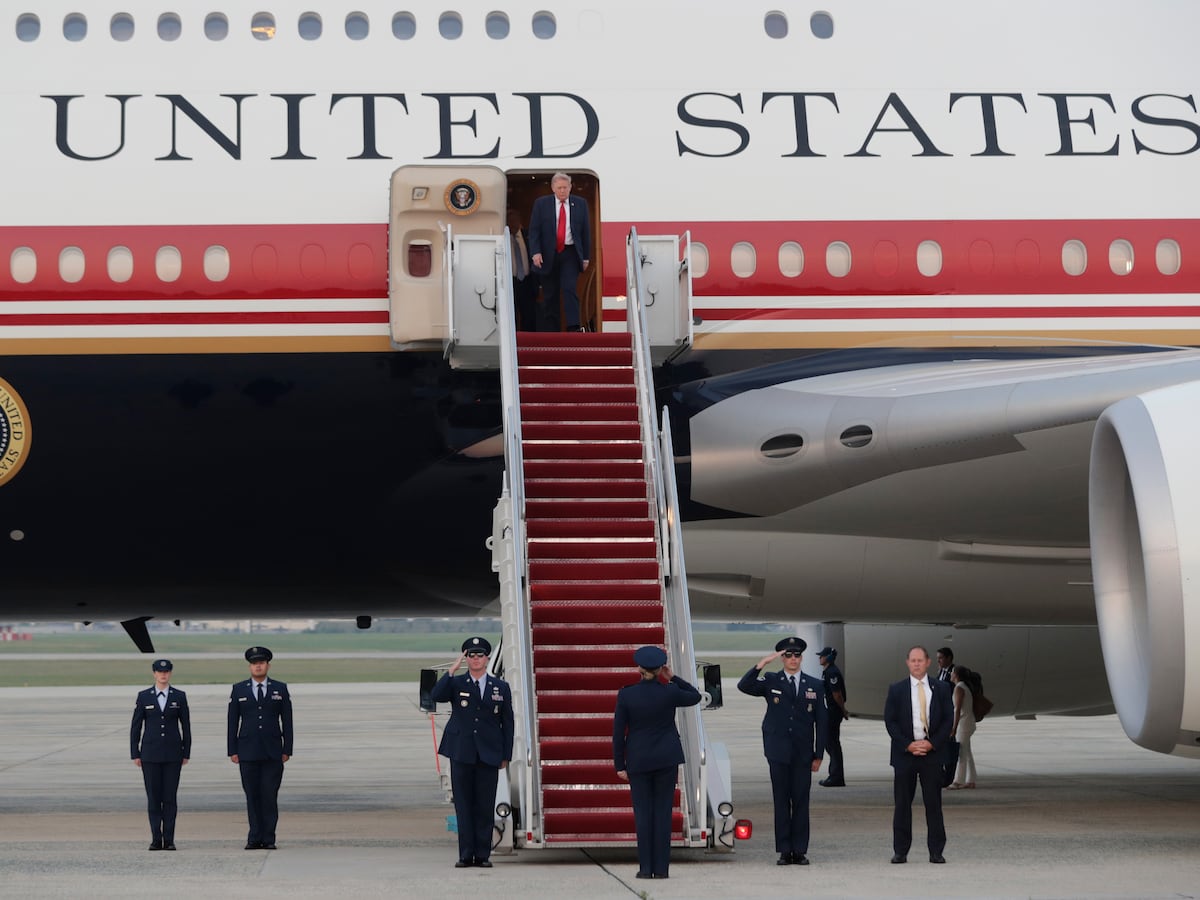
The Trump administration sought phone records of multiple New York Times journalists — and even some of their relatives — in an attempt to identify confidential sources, according to Local 10. The records request was revealed in a court motion filed by the Times as part of its legal fight to block subpoenas served on three of its reporters.
The three journalists were subpoenaed after reporting on security concerns tied to a Boeing 747 jet gifted to the U.S. by Qatar for use as Air Force One. The Times says the government's targeting of family members' phone records shows clear "bad faith" and "bad behavior" by federal officials, according to WFMZ.
Phone Records Sought on Journalists' Family Members Too
The government did not stop at the journalists themselves. Officials went further and sought phone records belonging to the reporters' relatives, according to Lancaster Online. The Times called this a significant escalation. It argues the move was designed to pressure reporters into revealing who fed them sensitive information.
The subpoenas targeted three journalists who broke the story on the Qatari-gifted jet. The Times filed a motion to quash — meaning cancel — those subpoenas. The newly unsealed court documents detail the phone records requests as part of that legal fight, according to KDH News.
Qatari Jet Story Triggered the Federal Investigation
The dispute stems from Times reporting on a Boeing 747 offered by Qatar to serve as the next Air Force One. The stories raised security concerns about accepting a foreign-government aircraft. Federal investigators appear to have launched a leak hunt after those articles were published, according to Lethbridge Herald.
Classified information was reportedly involved in the leaked details. The government says it is not targeting journalists — it is hunting for whoever leaked secrets. But the Times argues that going after reporters' and relatives' phone records makes that claim hard to believe, according to Richmond News.
Times Argues Government Is Acting in Bad Faith
In its court filings, the Times said each new revelation adds to a pattern. The paper called the phone records requests examples of government "bad faith." Taken together, the Times argues, these actions show the administration is using legal tools to punish and expose journalists who cover national security, according to WFMZ.
Press freedom advocates warn the move sets a dangerous precedent. If officials can pull relatives' call records to trace a source, no journalist's network is private. The case is being closely watched as a test of how far the executive branch can go in leak investigations.
Government Defends Action as a Leak Hunt, Not Press Attack
Federal officials have pushed back on the framing. They say reporters are not the real targets. Instead, they argue the goal is to find government employees who broke the law by sharing classified material with the press, according to Local 10.
That defense has not satisfied the Times or its lawyers. The paper says the method — sweeping in family members' records — goes well beyond any normal leak investigation. A court will now have to decide whether the subpoenas stand or get thrown out, according to Lancaster Online.
Sentiment
NeutralNEGATIVENEUTRALPOSITIVE
Publishers
11
Articles
132
Reach
143
Topics
A
AnonymousAuthor


