Greenbelt FBI Plan Solidified
Federal Judge Blocks FBI Headquarters Relocation, Securing Greenbelt Site and Billions in Funding
Key Points
The Greenbelt site is a 61-acre parcel that the General Services Administration selected in November 2023 over competing Maryland and Virginia locations (Landover and Springfield, Va.), citing a superior combination of security, transportation access, and development potential.
Opposition to moving the FBI HQ to the Reagan Building in DC centers on security concerns from Maryland officials and lawmakers, including fears about placing a highly sensitive federal facility in a publicly accessible space;
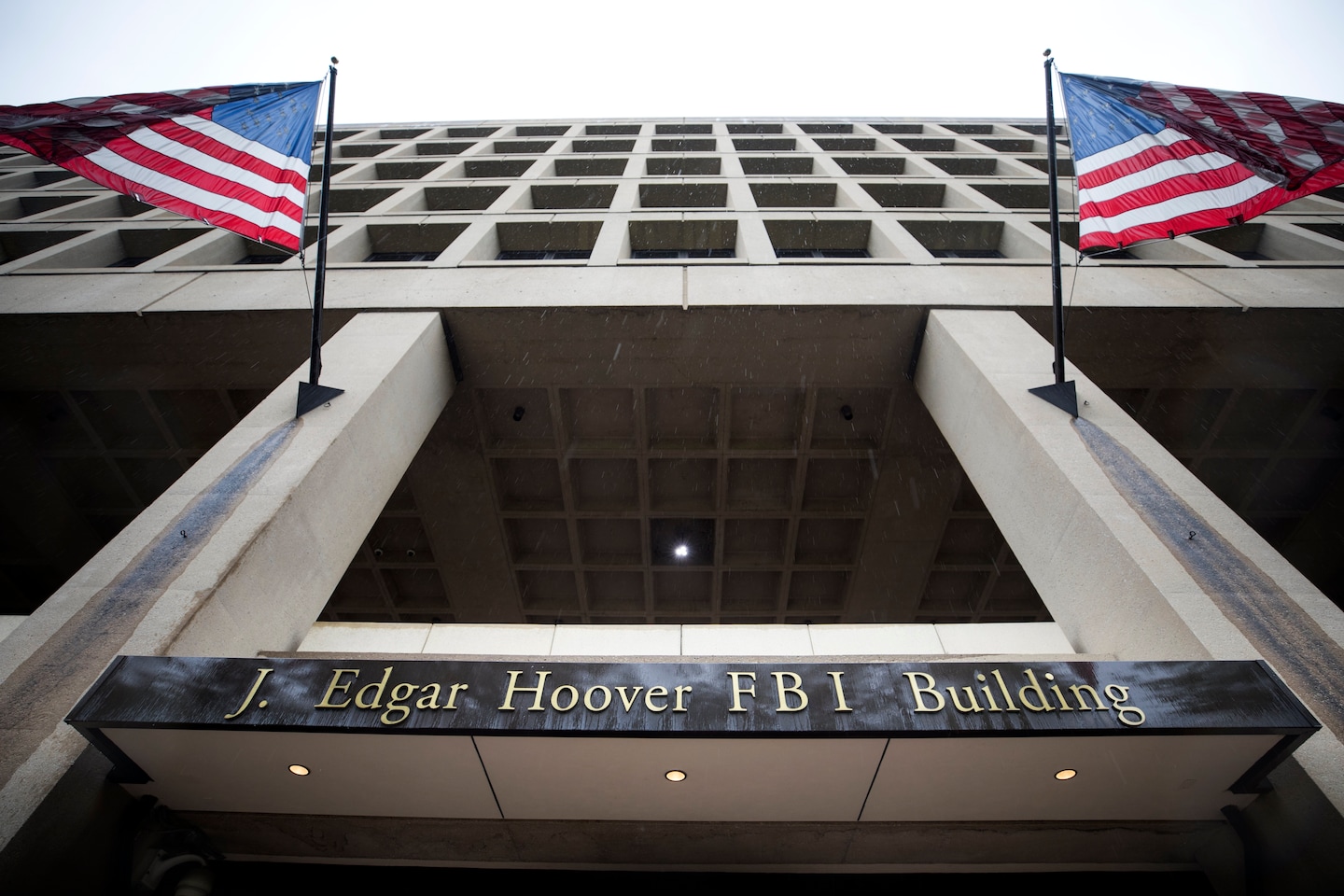
In December 2025, FBI Director Kash Patel announced plans to permanently close the aging J. Edgar Hoover Building and relocate the bureau to the Reagan Building while reassigning additional staff to field offices, signaling how the plan would affect federal facilities and staffing.
Maryland officials note the state committed more than $300 million toward infrastructure and development for the Greenbelt project, underscoring the financial stake in keeping the FBI site in Greenbelt.
The ruling on the Greenbelt case was issued by U.S. District Court Judge Theodore Chuang, who found the Reagan relocation plan and funding shift violated the Administrative Procedure Act and caused irreparable injury, reinforcing Greenbelt’s status for the project.
A federal judge has blocked the Trump administration from scrapping the FBI's planned move to Greenbelt, Maryland, and from redirecting more than $1 billion in Congress-approved funding. The New York Times reported that U.S. District Court Judge Theodore Chuang ruled the administration's plan violated the Administrative Procedure Act and caused irreparable injury.
The ruling kills the administration's push to move the FBI to the Ronald Reagan Building in Washington, D.C., instead. WTOP reported the decision was a direct win for Maryland officials who had fought to protect the Greenbelt site.
Judge Chuang Finds Reagan Building Plan Breaks the Law
Judge Chuang found that moving the FBI to the Reagan Building bypassed Congress's decision and violated established law. The Administrative Procedure Act requires federal agencies to follow proper legal steps before making major changes. The Trump administration skipped those steps. Fox 5 DC reported the judge ruled the administration cannot halt the Maryland relocation.
The court also found the move caused irreparable injury — meaning harm that cannot be undone later. That finding gave the judge grounds to block the plan immediately. Newsmax reported the ruling prevents the administration from keeping the FBI in Washington while the legal fight continues.
Greenbelt Was Chosen After a Years-Long Competitive Search
The General Services Administration chose Greenbelt in November 2023 after a competitive review. The 61-acre site beat out two other finalists: Landover, Maryland, and Springfield, Virginia. Officials said Greenbelt offered the best mix of security, transportation access, and development potential.
Maryland put serious money behind the project. State officials committed more than $300 million in infrastructure investment tied to the Greenbelt site. The Washington Post reported the ruling reaffirms Greenbelt's status and blocks the effort to redirect those federal funds elsewhere.
Reagan Building Plan Drew Sharp Security Concerns
Maryland officials argued the Reagan Building was the wrong choice for a major federal law enforcement agency. The building is publicly accessible — open to tourists, businesses, and event visitors. Critics said placing a highly sensitive FBI headquarters there created serious security risks.
In December 2025, FBI Director Kash Patel announced plans to close the aging J. Edgar Hoover Building permanently and move the bureau to the Reagan Building. He also said additional staff would be reassigned to field offices. WTOP reported that announcement set off the legal battle that ended in court this week.
Maryland Officials Frame Ruling as Congress Winning Over White House
Maryland Attorney General Anthony Brown said the ruling enforced Congress's decision, not just Maryland's preference. He argued the federal government cannot simply override a site selection backed by congressional funding. The ruling drew a clear line between what the executive branch can and cannot do unilaterally.
The case touches a bigger question: can the White House redirect billions in approved spending without going back to Congress? Judge Chuang's answer was no. The New York Times noted the decision reinforces that agency actions must follow the law, even when the administration wants to move fast.
Sentiment
Mostly NegativePublishers
12
Articles
125
Reach
137


