Platner's Withdrawal Shakes Maine Race
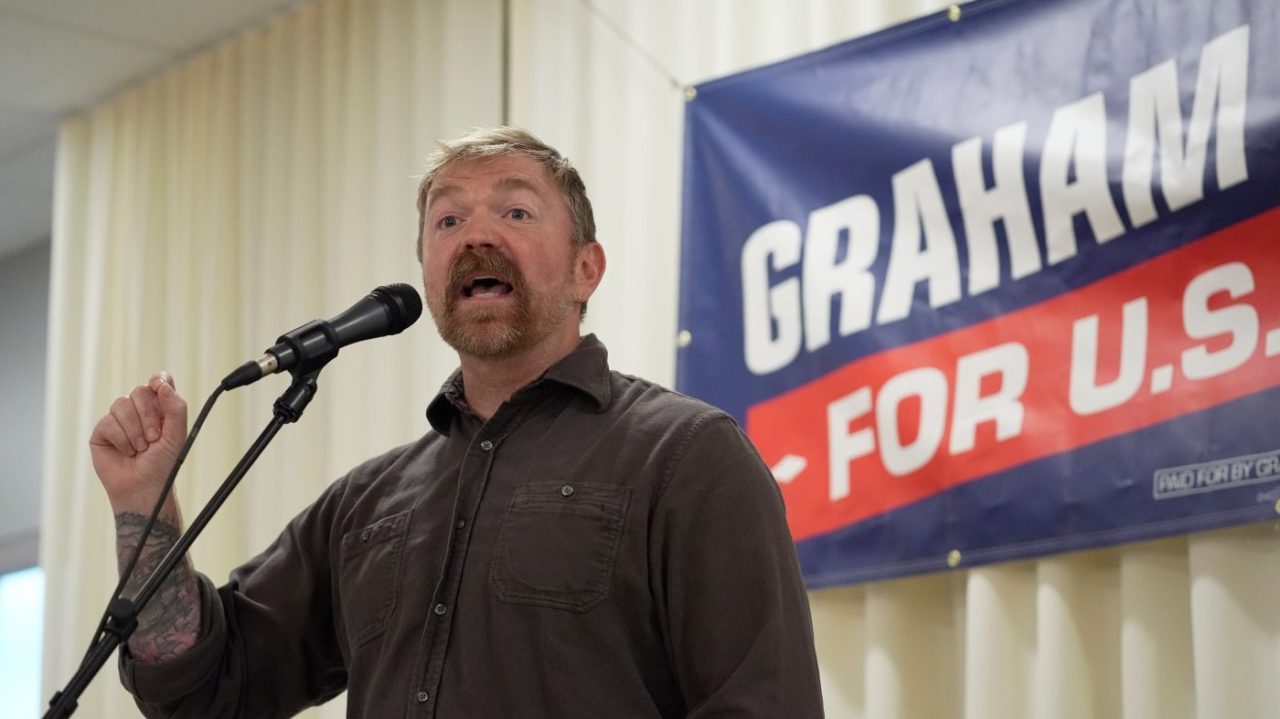
Maine Senate Nominee Graham Platner Withdraws from Race Following New Sexual Assault Allegations
Anonymous
Key Points
1
Under Maine law, if Platner withdraws by the July 13 deadline, the state party would have two weeks to nominate a replacement nominee.
2
The Democratic Senatorial Campaign Committee has said it will not invest in the Maine Senate race if Platner remains on the ballot, effectively withdrawing support and funding.
3
Prominent Democrats—including Rep. Ro Khanna and Sen. Ruben Gallego—have joined calls for Platner to drop out or condemn the allegations, signaling broad intra-party pressure beyond local officials.
4
Jenny Racicot, the former partner who accused Platner, described in detail the alleged 2021 assault to Politico, including the claim that he forced himself on her and the moment she thought, 'This is no longer my choice.' (Direct quote reported in coverage.
Maine Democratic Senate nominee Graham Platner is on the verge of withdrawing from his race against Republican incumbent Susan Collins, after a former partner accused him of sexual assault in 2021. Politico reported that Jenny Racicot described the alleged assault in detail, saying Platner forced himself on her and that she thought, 'This is no longer my choice.'
The allegation triggered a swift collapse of support. Senate Majority Leader Chuck Schumer, the DSCC, and Maine's own Democratic Party have all called on Platner to quit. Platner has denied the accusation but said he is weighing his options ahead of a critical July 13 deadline.
DSCC and Schumer Pull Support, Demand Platner Quit
The Democratic Senatorial Campaign Committee made its position clear: it will not spend a single dollar on the Maine Senate race if Platner stays on the ballot. NewsNation reported that DSCC Chair Kirsten Gillibrand joined Schumer in calling for Platner's resignation. That kind of financial threat is rare and signals how seriously party leaders view the damage.
The Maine Democratic Party also issued a formal call for Platner to step aside. JNS reported the party stated it could not back a candidate facing a rape allegation. Prominent national figures, including Rep. Ro Khanna and Sen. Ruben Gallego, added their voices, making the pressure both local and national in scope.
Racicot's Accusation Drives High-Profile Resignations
Jenny Racicot told Politico that Platner sexually assaulted her in 2021 during their relationship. Her account was detailed and specific. After the story published, several high-profile Platner supporters resigned from his campaign or withdrew their endorsements. IBTimes reported that allies began distancing themselves within hours of the story breaking.
Platner denied the allegation. His campaign did not immediately announce a withdrawal. But the window to act is closing fast. Under Maine law, he must withdraw by July 13 for the party to name a replacement in time for the general election.
75% of Maine Voters Want Platner Out if More Scandals Emerge
A new Wedgewood poll found that 75% of Maine voters would want Platner to drop out if another scandal surfaces. The Hill reported that 65% of voters already had concerns about his candidacy. The numbers cut across party lines, with a majority of voters who backed Kamala Harris also saying he should go.
The poll shows just how fragile Platner's position is. Collins is a well-known incumbent with strong approval ratings in Maine. Democrats need a clean candidate to have any real shot at flipping the seat. Right now, Platner is seen by many in his own party as a liability, not an asset.
July 13 Deadline Sets Clock for Replacement Nominee
Time is running out for the Maine Democratic Party to act. CryptoBriefing reported that if Platner withdraws by July 13, the state party would have roughly two weeks to nominate a replacement. That replacement would then appear on the general election ballot in place of Platner.
If Platner misses that deadline, Democrats could be stuck running him or running no viable candidate at all. That outcome would almost certainly hand Collins a smooth path to re-election and leave the DSCC with no reason to invest in the race. Every day Platner delays narrows the party's options.
Sentiment
Mostly NegativeNEGATIVENEUTRALPOSITIVE
Publishers
20
Articles
48
Reach
68
A
AnonymousAuthor


