Border Infiltration Thwarted
Pakistan Military Kills 15 TTP Militants During Afghan Border Infiltration
Anonymous
Key Points
1
A CRSS analysis cited in Kabul Now indicates that nearly 96% of all violence-related fatalities in Pakistan during Q2 2026 occurred in the border provinces of Khyber Pakhtunkhwa (KP) and Balochistan, underscoring the regional concentration of violence blamed on the TTP and related groups.
2
Sanitisation operations are ongoing to locate and neutralize any remaining India-sponsored Fitna al-Khawarij elements in the area after the 36-hour firefight near North Waziristan, according to security officials.
3
Chinese envoy Yue Xiaoyong reportedly visited Islamabad during the week and met with Pakistan’s special representative Mohammad Sadiq as part of diplomatic efforts to ease tensions with Afghanistan, as noted by Pakistan’s government statements.
4
ISPR described the militants as ‘ne India-sponsored Fitna al-Khawarij’ and said the operation exposed their ‘nefarious designs’ and the role of facilitators behind cross-border terrorism, reinforcing Pakistan’s narrative of Afghan-Taliban fault lines at the border.
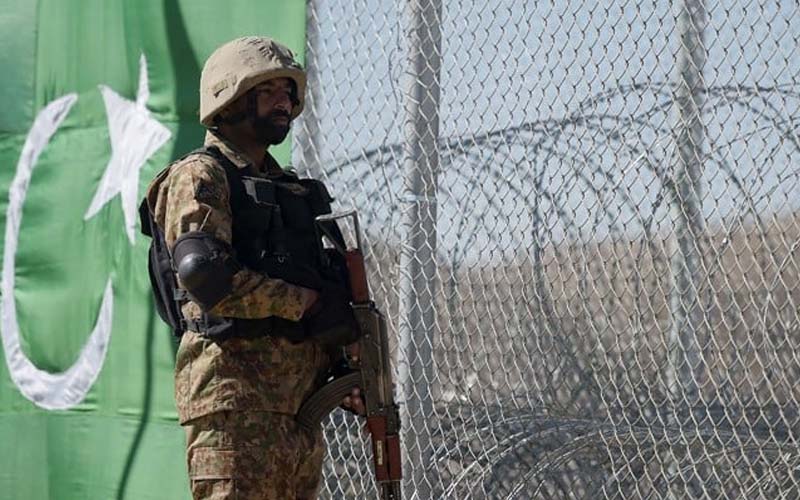
Pakistan's military killed 15 militants during a 36-hour operation near the Afghan border, according to ISPR. The dead fighters were identified as members of Fitna al-Khawarij, a breakaway faction of the Tehrik-i-Taliban Pakistan. Security forces recovered a large cache of weapons and ammunition during the firefight in North Waziristan.
Pakistan's government alleges the group was backed by India and used Afghan soil to launch cross-border attacks. Acting President Yousaf Raza Gilani praised security forces and vowed to continue counterterrorism efforts, stating that India-backed militants would not destabilize Pakistan. Neither Afghanistan nor India has commented on the accusations.
Violence Concentrated in Pakistan's Border Provinces
Militant attacks are heavily concentrated in Pakistan's western border region. Kabul Now cited analysis showing that 96% of violence-related deaths in Pakistan during the second quarter of 2026 occurred in Khyber Pakhtunkhwa and Balochistan provinces. Both regions sit along the Afghan border and face repeated TTP operations.
The surge in attacks has intensified since the Taliban returned to power in Afghanistan in 2021. Pakistan blames Afghan soil for sheltering militant groups, while Kabul disputes that claim. The border remains a major security flashpoint for Islamabad despite efforts to manage it jointly with the Taliban.
Ongoing Sanitisation Operations Target Remaining Fighters
Security forces continue sweeping North Waziristan to hunt down any remaining militants who escaped the 36-hour operation, according to military officials. The search aims to neutralize what Pakistan describes as India-sponsored Fitna al-Khawarij members still hiding in the area after the firefight.
ISPR said the operation exposed the militants' "nefarious designs" and revealed the network of facilitators enabling cross-border terrorism. The military framed the success as a blow to what it characterizes as externally-backed infiltration attempts.
China Offers Diplomatic Mediation as Tensions Simmer
China's envoy Yue Xiaoyong visited Islamabad this week and met with Pakistan's special representative Mohammad Sadiq, according to government statements. The talks were part of broader diplomatic efforts to reduce tensions between Pakistan and Afghanistan over border security and militant operations.
Pakistan is pursuing counterterrorism efforts under its Azm-e-Istehkam framework while seeking regional cooperation. The government reaffirmed commitment to combating cross-border terrorism, even as it uses diplomatic channels to address Afghanistan's alleged role in facilitating attacks.
Sentiment
Mostly NegativeNEGATIVENEUTRALPOSITIVE
Publishers
17
Articles
35
Reach
52
A
AnonymousAuthor


