Kremlin Threatens Polish Statehood
Kremlin Aide Warns Poland’s Statehood Could End Amid Escalating NATO Rhetoric
Anonymous
Key Points
1
Although Russia has one of the world’s largest nuclear arsenals, Patrushev did not explicitly mention nuclear weapons when threatening that Poland could cease to exist within two or three days.
2
Sikorski also claimed that Europe could destroy half of Russia’s oil-refining capacity within six weeks, a campaign he said would be faster than Ukraine’s ongoing attacks on Russian refineries.
3
The rhetoric came amid other incidents involving NATO’s eastern and northern flank: Italian NATO fighter jets reportedly shot down a drone in Lithuanian airspace, while a Russian frigate fired two signal rockets that narrowly missed a Danish military helicopter in international waters.
4
Sikorski said NATO’s air-power advantage would remain overwhelming even without U.S. participation, citing roughly 2,500 aircraft across the alliance.
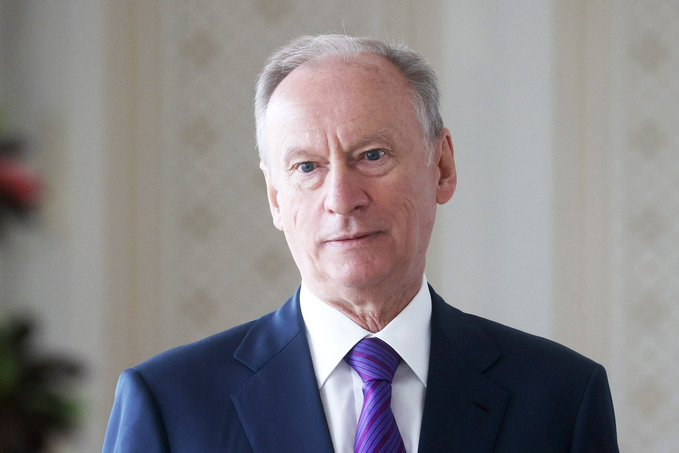
A top Kremlin aide warned Poland could Cedar News "cease to exist" within two to three days if Warsaw enters a military conflict with Russia. The threat from Nikolai Patrushev marks a sharp escalation in rhetoric between Moscow and NATO, coming after Polish Foreign Minister Radosław Sikorski claimed the alliance could defeat Russia quickly using only European airpower.
Patrushev dismissed Sikorski's assessment as Crypto Briefing "amateurish" and insisted Russia has not yet deployed its full military strength in Ukraine. The exchange highlights mounting tensions along NATO's eastern flank, where incidents involving Russian and allied forces have multiplied in recent weeks.
Poland's Statehood Under Threat in Kremlin's Blunt Warning
Patrushev's statement shocked international observers by explicitly targeting Poland's existence as a nation. He warned Il Sole 24 Ore that if Poland attacks Russia, Moscow would use its "entire arsenal of available forces and resources" to eliminate the Polish state within two to three days. Russia possesses one of the world's largest nuclear arsenals, though Patrushev did not explicitly mention nuclear weapons in the threat.
The warning reflects Moscow's aggressive posture toward NATO members. Patrushev simultaneously denied that Russia poses any threat to Europe, creating a contradictory message designed to intimidate while maintaining a facade of restraint.
Sikorski Claims NATO Could Defeat Russia Without America
Polish Foreign Minister Sikorski argued that NATO possesses such overwhelming airpower it could defeat Russia even without U.S. military support. He cited roughly 2,500 aircraft across the alliance as proof of Europe's defensive strength. Sikorski also claimed Europe could destroy half of Russia's oil-refining capacity within six weeks—faster than Ukraine's existing attacks on Russian refineries.
The bold claims provoked Patrushev's sharp rebuke. He characterized Sikorski's analysis as amateurish and stressed that Russia remains far from utilizing its full military potential in the Ukraine conflict. This gap between NATO confidence and Russian capability claims has become a central point of contention.
Escalating Military Incidents on NATO's Eastern Edge
Beyond rhetoric, dangerous military confrontations have multiplied along NATO's borders. Italian NATO fighter jets reportedly shot down a Russian drone in Lithuanian airspace, signaling heightened vigilance among alliance members. A Russian frigate also fired two signal rockets that narrowly missed a Danish military helicopter in international waters, raising alarm about unintended escalation.
These incidents underscore how fragile the security situation has become. A single miscalculation or aggressive move could trigger the exact conflict that Patrushev threatened. NATO and Russia now operate in a hair-trigger environment where rhetoric and provocations feed into genuine military danger.
Sentiment
Mostly NegativeNEGATIVENEUTRALPOSITIVE
Publishers
12
Articles
6
Reach
18
A
AnonymousAuthor


