Airport Malaria Outbreak
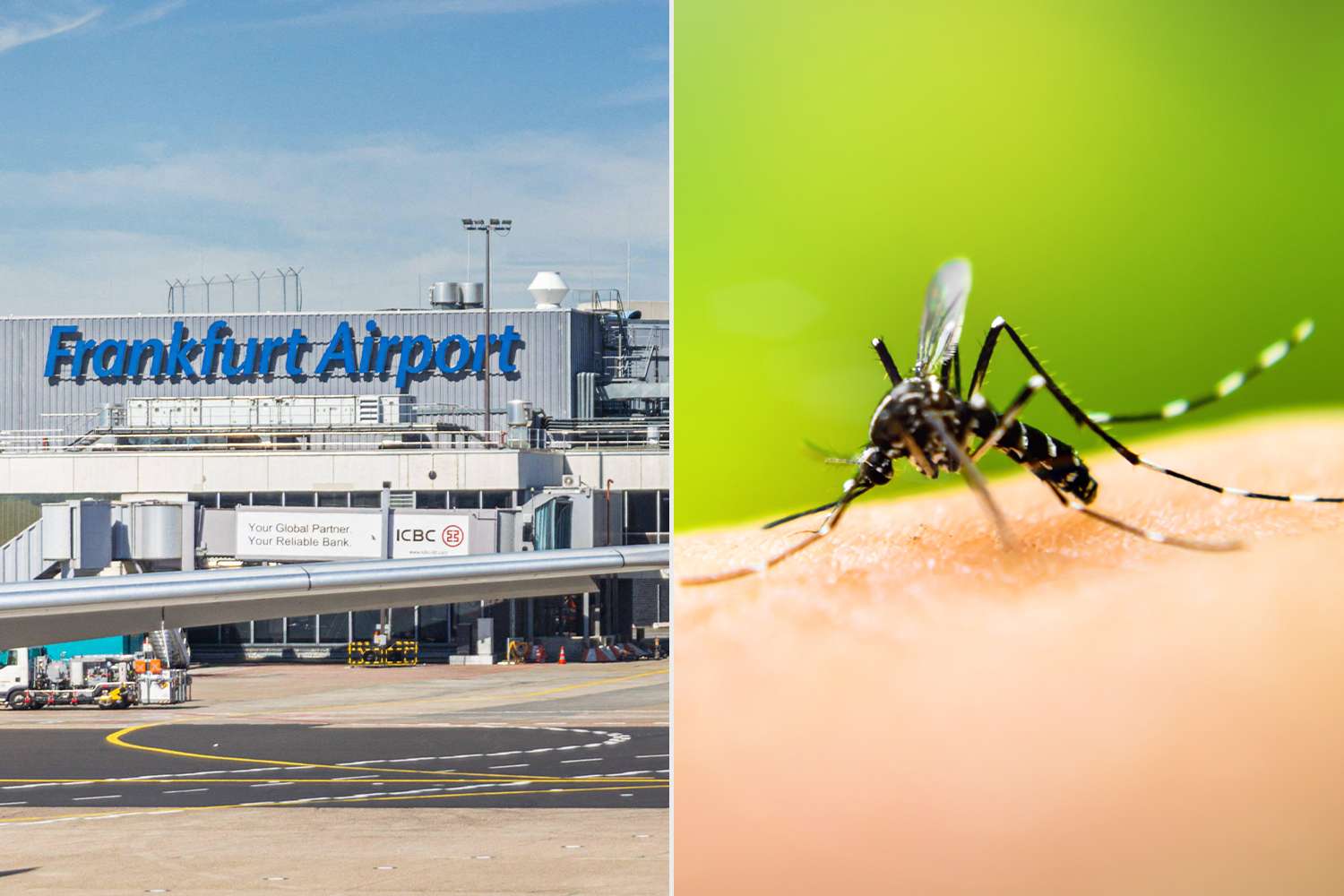
Rare Frankfurt Airport malaria outbreak leaves one employee dead and five infected.
Anonymous
Key Points
1
Six Frankfurt Airport employees have been diagnosed with malaria, up from four cases reported in mid-July, and one of the six has died.
2
Investigators say the outbreak likely began with one or more infected mosquitoes arriving at the airport in mid-summer—potentially hidden in luggage or in the cargo holds of arriving aircraft from malaria-endemic regions.
3
Authorities note that the last malaria case at Frankfurt Airport before this outbreak was in 2023, highlighting the rarity of such incidents at the facility.
4
Malaria can be life-threatening and may cause coma or death, particularly among high-risk groups, with symptoms including fever, headaches, breathing difficulties and seizures according to health authorities and the World Health Organization.
5
A European study of airport- and baggage-related malaria cases (1969-2024) identified 145 cases across Europe, including nine in Germany, underscoring calls for renewed scrutiny of control measures such as aircraft disinfection.
A Frankfurt Airport worker has died from malaria, with five others infected and receiving treatment, according to Fraport and German health authorities. The outbreak marks an extremely rare case of "airport malaria"—likely caused by an infected mosquito that traveled on a plane from a malaria-endemic region, probably in July Robert Koch Institute.
Authorities have set up mosquito traps at the airport and urge staff to seek medical care immediately. German health officials emphasize that malaria spreads only through mosquito bites, not human-to-human contact, while researchers call for stricter aircraft disinfection measures across Europe.
How a Mosquito Traveled 5,000 Miles
Investigators believe one or more infected mosquitoes arrived at Frankfurt Airport hidden in luggage or aircraft cargo from a malaria-endemic region. The outbreak likely began in mid-summer, with the first cases emerging weeks later. Fraport and the Robert Koch Institute are tracking the exact entry point as part of their investigation.
This outbreak is extraordinarily rare. The last malaria case at Frankfurt before this incident occurred in 2023, highlighting how unusual airport-related transmission is in Germany. A European study of cases from 1969 to 2024 found only 145 recorded airport-related malaria incidents across the entire continent, with just nine in Germany.
Malaria's Deadly Symptoms and Risks
Malaria can cause fever, headaches, breathing difficulties, and seizures. In severe cases, the disease triggers coma or death, particularly among vulnerable people. World Health Organization data shows untreated malaria kills quickly, making early diagnosis critical for survival and recovery.
The five surviving Frankfurt employees are receiving treatment, and health officials are monitoring them closely. Staff at the airport have been urged to report any fever or unusual symptoms to their doctors and mention their workplace location. Early detection has proven essential in preventing fatal outcomes.
Calls for Stricter Airport Mosquito Controls
European researchers are demanding renewed attention to aircraft disinfection and pest control measures. The study of 145 cases over 55 years shows airport malaria remains a persistent threat, despite its rarity. Experts argue better screening at boarding gates and cargo holds could prevent future incidents.
Frankfurt Airport and surrounding regions in the Rhine-Main area are now under heightened surveillance. Additional malaria cases have been identified outside the airport, prompting broader monitoring efforts across the region. German authorities are working with Fraport to strengthen prevention protocols and catch any new cases early.
Sentiment
Mostly NegativeNEGATIVENEUTRALPOSITIVE
Publishers
17
Articles
29
Reach
46
A
AnonymousAuthor


