Start Bike Camping Today
Eight essential tips for getting started with remote bike camping adventures
Anonymous
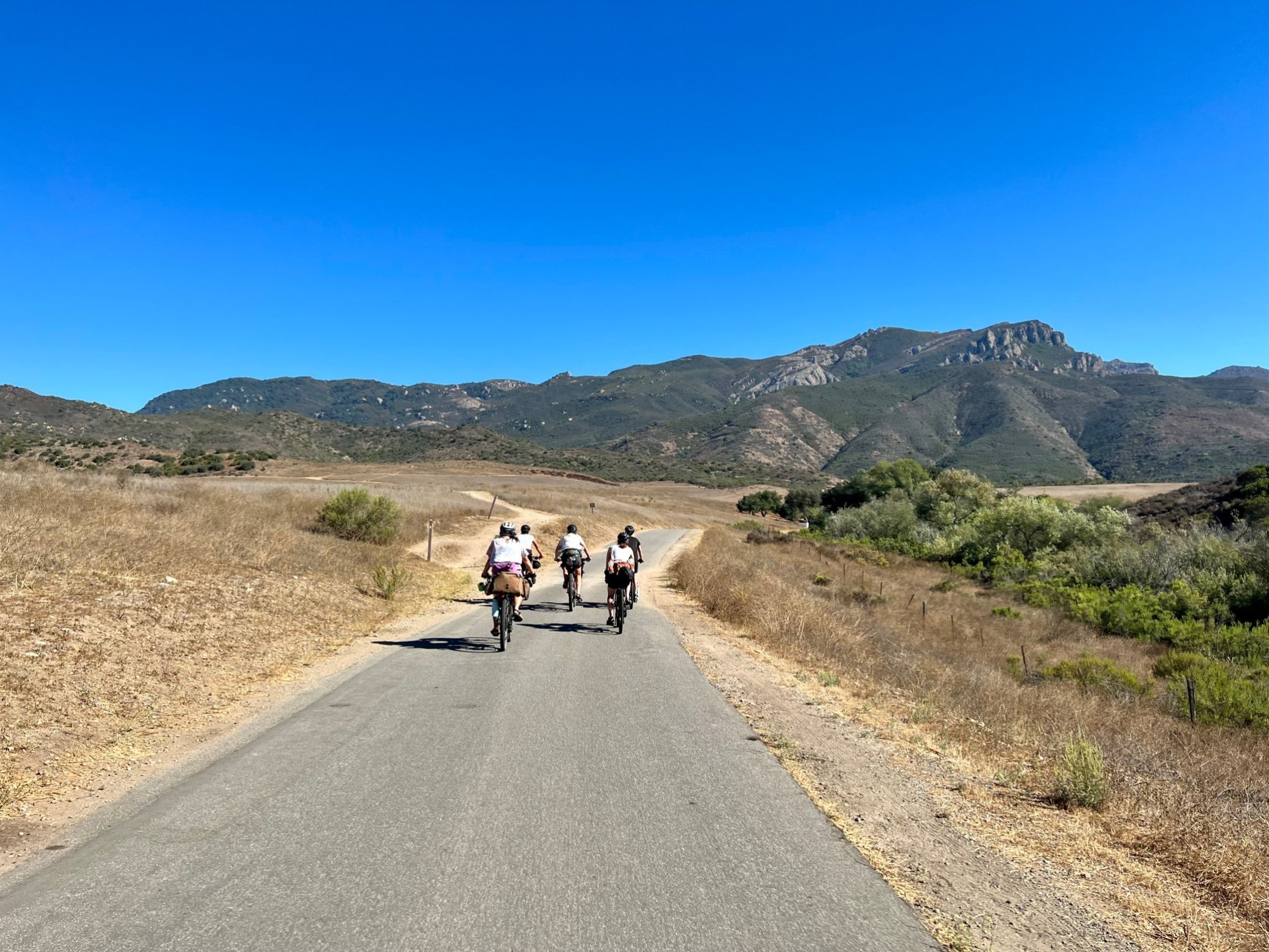
Bike camping combines the freedom of cycling with the adventure of sleeping outdoors, letting you travel farther than hiking and reach remote destinations that cars can't access. DelcoTimes reports this growing outdoor trend opens up backcountry exploration for adventurers ready to pedal into the wilderness.
Start With a Sturdy Bike Built for Rough Terrain
Your bike is your lifeline on multi-day trips. Choose a gravel bike, mountain bike, or sturdy road bike that can handle unpaved trails and carry heavy loads without breaking down. The frame and tires matter most — you need flat, wide tires for traction on dirt and rocky paths.
Pack Light and Smart for Your Panniers
Weight kills momentum fast. Use panniers — saddlebags that hang on either side of your rear wheel — to distribute gear evenly and keep your center of gravity low. Pack only essentials: a lightweight tent, sleeping bag, food, water, and basic tools. PottsvilleMercury advises beginners to limit total load to 30–40 pounds.
Choose Established Routes With Bike Camping Infrastructure
Don't wing it on your first trip. Ride routes designed for bike camping, like the Adventure Cycling Association's cross-country routes or local rail trails. These paths have marked campsites, water sources, and bike-friendly services every 20–40 miles. Starting on proven routes builds confidence and ensures safety.
Train Your Body Before Long Rides Begin
Pedaling 40–50 miles per day with a loaded bike demands fitness you don't need for casual riding. Start with day trips carrying gear, then take short overnight rides to build endurance. PressDemo emphasizes that most beginners underestimate how tired their legs and back get.
Sentiment
NeutralNEGATIVENEUTRALPOSITIVE
Publishers
9
Articles
8
Reach
9
A
AnonymousAuthor


