College Football Spending
The Rising Financial Costs of Building a College Football Contender
Anonymous
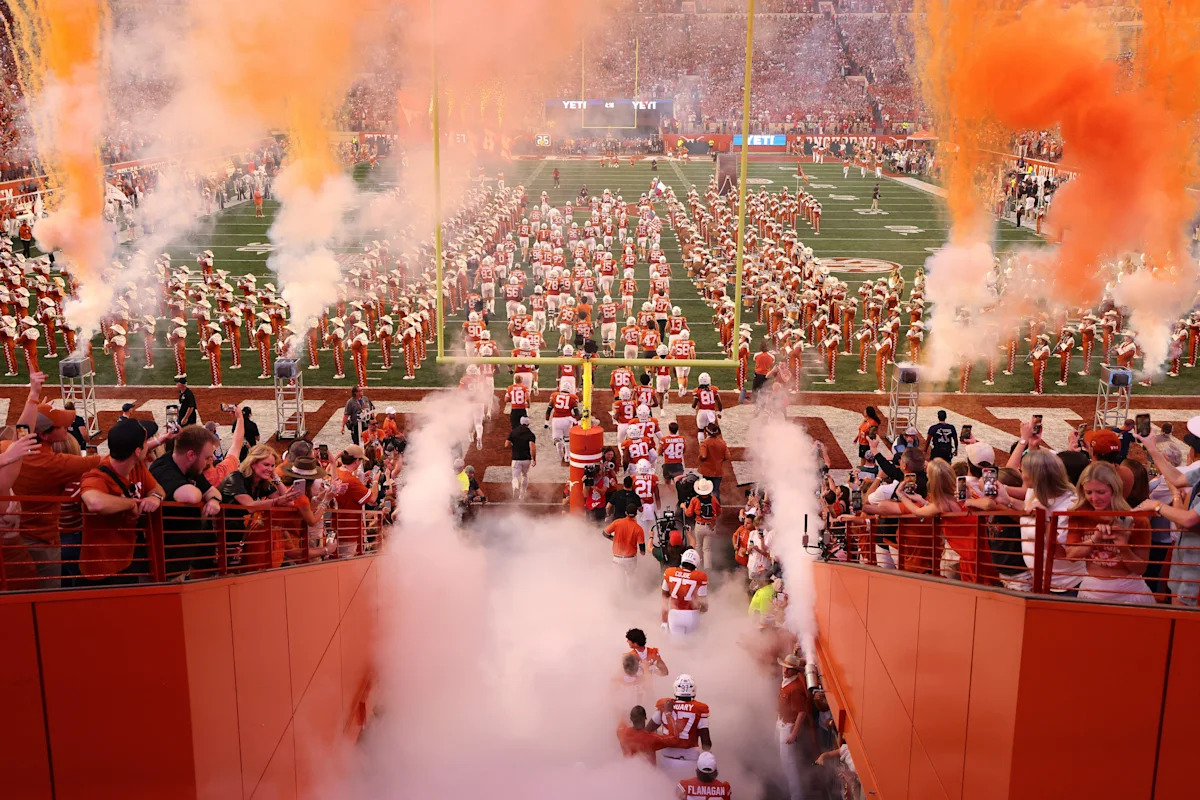
College football rosters now cost $50 million to build a true national contender, with top quarterbacks commanding $5 million in annual compensation. Greensboro.com reported that Pete Bevacqua provided the unofficial bullhorn for this spending reality in early June, signaling how dramatically the economics of college football have shifted since Name, Image and Likeness (NIL) deals became legal.
The $50 Million Roster Price Tag
Building a championship-caliber college football program now requires teams to spend roughly $50 million annually on player compensation. This figure encompasses NIL deals, direct payments, and other athlete benefits. Kearney Hub confirmed this threshold has become the baseline for programs competing at the highest level of college football.
Quarterback Salaries Reach Professional Levels
Elite college quarterbacks now earn $5 million per year, matching or exceeding some NFL backup salaries. This represents a seismic shift from the amateur era when players received scholarships worth roughly $100,000 annually. Columbus Telegram noted that top quarterback talent commands premium NIL packages as programs compete for elite signal-callers.
Pete Bevacqua Signals New Spending Reality
In early June, Pete Bevacqua became the unofficial voice amplifying the true cost of building contender rosters. His announcement highlighted how NIL has transformed college football from an amateur enterprise into a quasi-professional landscape. Madison.com reported that Bevacqua's comments underscored the financial arms race gripping Power Five programs nationwide.
The NIL Era Reshapes Competitive Balance
Programs with deep-pocketed boosters and strong media markets can now outbid rivals for roster talent. Schools without comparable resources face recruitment disadvantages. The $50 million threshold creates a competitive divide — only wealthy programs can afford championship-level rosters under current NIL rules and regulations.
Sentiment
NeutralNEGATIVENEUTRALPOSITIVE
Publishers
4
Articles
4
Reach
4
A
AnonymousAuthor


