Malaysia Tax Reform
Malaysia Considers Selective GST Features for SST Integration, Aiming for Progressive Tax Without Full Reinstatement.
Key Points
Budget 2027 is expected to include targeted measures to support the M40 income group.
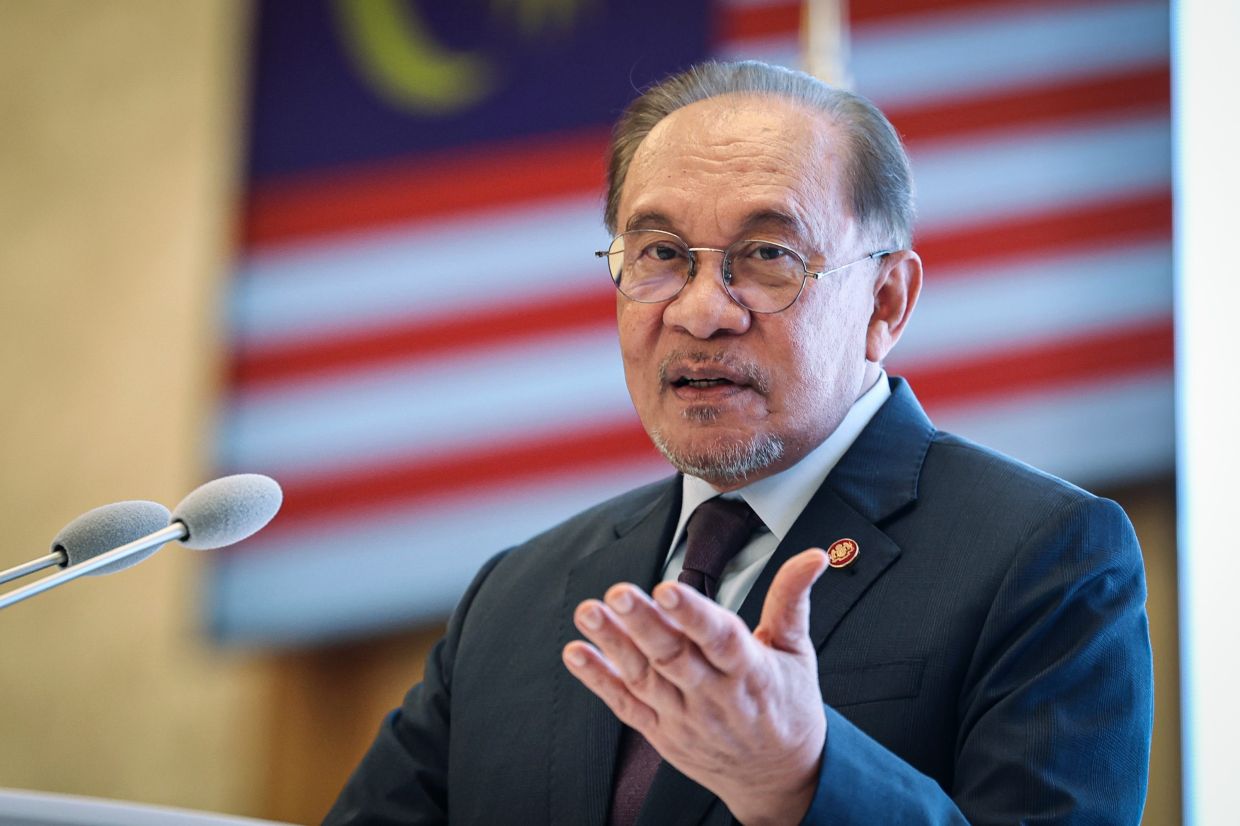
Anwar Ibrahim attended a Budget 2027 engagement session at the Finance Ministry in Putrajaya, signaling ongoing public consultations.
Budget 2027 is slated to be tabled in Parliament on Oct 9.
Anwar emphasised that GST, if considered, would equate to taxing those who currently do not pay taxes, a concern given rising living costs.
Historically, GST was introduced in 2015 at 6% and zero-rated in 2018 before being replaced by SST; the government has said GST reinstatement would be considered only if the median wage exceeds RM4,000, with current median wage about RM2,800.
Malaysia's Prime Minister Anwar Ibrahim says the government is open to studying a hybrid tax model — one that blends select features of the Goods and Services Tax (GST) into the existing Sales and Service Tax (SST) framework. The goal is a more progressive and fair tax system, without bringing back the full GST. Scoop reported that Anwar made the comments during a Budget 2027 engagement session at the Finance Ministry in Putrajaya.
Anwar was clear that a full GST return is off the table for now. He warned that reinstating it would mean taxing people who currently pay no taxes at all — a serious concern given Malaysia's rising cost of living. Budget 2027 is set to be tabled in Parliament on October 9.
Why Malaysia Is Eyeing a GST-SST Hybrid Now
Malaysia scrapped the GST in 2018, just three years after it launched at 6% in 2015. The SST replaced it. Now, with Budget 2027 on the horizon, officials are revisiting the tax debate. Dayak Daily reported that the government is studying whether specific GST elements — not the full system — could make the SST more efficient, transparent, and fair.
The review is not about bringing back the old GST. Officials have been careful to say only select features may be considered. The SST stays as the base. Any changes must improve the system, not simply copy the previous model.
Anwar's Red Line: No New Tax Burden on Low Earners
Anwar has drawn a firm line on who must be protected. He said adopting GST in full would effectively tax Malaysians who do not currently pay any taxes. With median wages sitting at around RM2,800 per month, that burden would hit lower-income groups hardest. Head Topics noted that Anwar expressed clear reluctance to reintroduce GST in its old form ahead of Budget 2027.
The government has previously set a threshold for any GST consideration: median wages must exceed RM4,000 per month first. The country is still well below that mark. Until wages rise, a broad-based consumption tax like GST is seen as premature.
Budget 2027 Targets Middle-Income Malaysians
The tax study is part of a wider Budget 2027 push to help the M40 group — Malaysians in the middle-income bracket. KLSE Screener reported that the government is looking at targeted measures to ease cost-of-living pressures on this group. The budget engagement session signals that public and business input is being gathered before the October 9 tabling.
Officials want any tax reforms to improve revenue collection without punishing everyday Malaysians. Transparency and efficiency are key goals. The hybrid study is one tool in a broader effort to modernise Malaysia's tax system without triggering public backlash.
A Brief History: GST's Rise, Fall, and Possible Partial Return
Malaysia introduced the GST in April 2015 under the Najib Razak administration. It was set at 6% and applied broadly to goods and services. The tax proved deeply unpopular. By June 2018, after a change in government, the GST was zero-rated and later fully replaced by the SST. Scoop noted that the government has since maintained that reinstatement would only be considered under the right economic conditions.
Now, nearly seven years later, the conversation has shifted. Rather than a full revival, Malaysia is exploring a middle path — keeping SST but borrowing the best parts of GST. Whether that produces real change will depend on what the study finds and how Malaysians respond ahead of the October budget.
Sentiment
Mostly NegativePublishers
10
Articles
16
Reach
26


