Rupee Slips 0.3%, RBI Defends 96-per-Dollar Line
Rupee Slips 0.3%, RBI Defends 96-per-Dollar Line
Anonymous
Key Points
1
The rupee traded within a 39-paise weekly range, weakening to 96.10 on Thursday before recovering to an intraday high of 95.71 on Friday.
2
The currency’s decline followed a much sharper previous-week fall of 1.1%, and it had depreciated nearly 1.5% over the eight trading sessions since reaching 94.43 on Sept. 4.
3
Oil prices eased after reports that Saudi Arabia was seeking to restore roughly half the capacity of its East-West oil pipeline within days, despite continuing Middle East hostilities.
4
DBS said India and the Philippines were expected to raise rates next quarter, with the odds of a Malaysian rate increase also rising as other Asian central banks assess the risks from the Fed’s policy stance.
5
India’s benchmark Nifty 50 index rose 0.3% during the period, even as the rupee weakened.
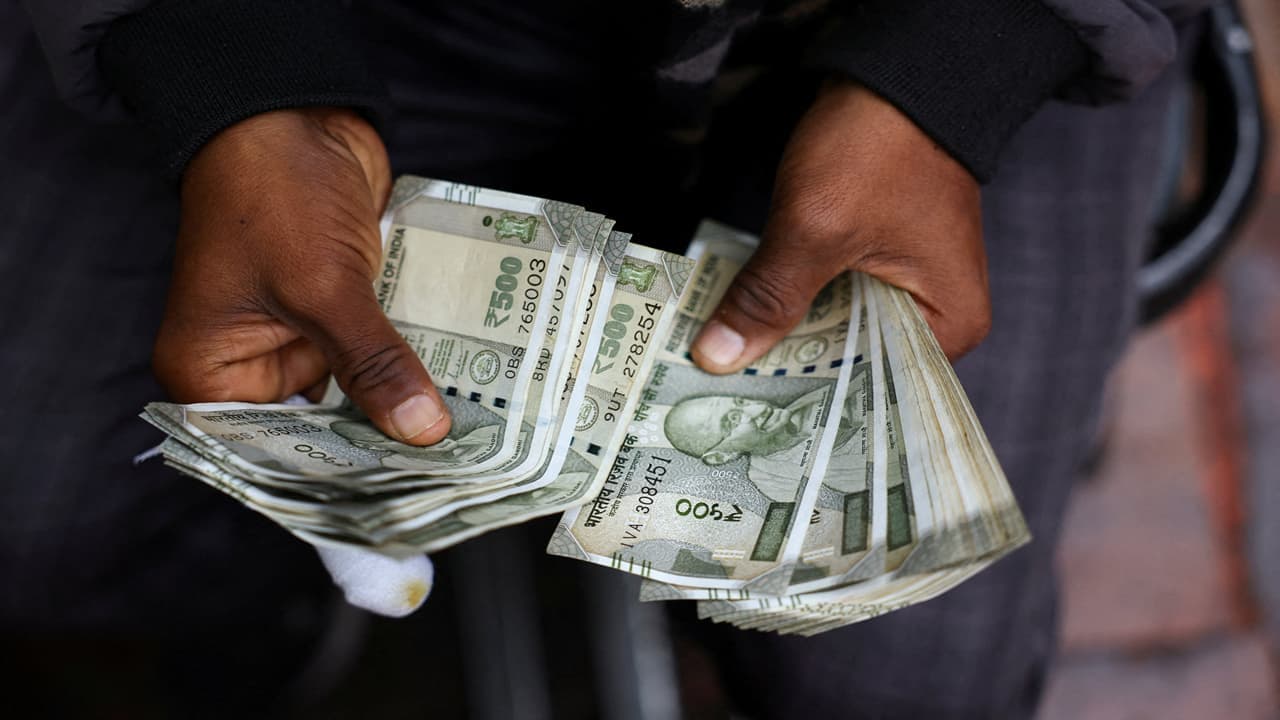
The Indian rupee weakened 0.3% for the week, closing near 95.88–95.89 per US dollar as higher global interest rates, surging oil prices, and foreign portfolio outflows pressured the currency The Print. The Reserve Bank of India intervened through state-run banks to defend the key 96-per-dollar level, treating it as a critical threshold that traders call a "line in the sand."
The rupee traded within a narrow 39-paise range during the week, sliding to 96.10 on Thursday before bouncing to 95.71 on Friday News18. This followed a steeper 1.1% decline the previous week, with the currency down roughly 1.5% since hitting 94.43 on September 4.
Fed and BOJ Rate Hikes Pressure Emerging Markets
The US Federal Reserve and Bank of Japan both raised interest rates, making the dollar more attractive and drawing money away from emerging-market currencies like the rupee Daily Excelsior. Higher rates abroad typically weaken currencies in developing nations because investors chase stronger returns overseas. Traders are now watching whether the Reserve Bank of India and other Asian central banks follow suit in the coming quarter.
Oil Prices Ease but Remain Elevated on Middle East Tensions
Brent crude briefly hit four-month highs amid Middle East tensions, but eased after reports that Saudi Arabia planned to restore roughly half of its East-West oil pipeline capacity within days Millennium Post. Even so, elevated oil prices continue to weigh on India's rupee because higher energy costs worsen the country's import bill and current account deficit. Any sustained spike in crude pushes India to spend more foreign currency buying fuel abroad.
NSE IPO Demand and Stock Rally Provide Brief Support
India's benchmark Nifty 50 index rose 0.3% during the week, buoyed in part by strong demand for the National Stock Exchange's initial public offering The Shillong Times. Foreign inflows tied to the NSE IPO and renewed investor appetite provided some cushion against the rupee's weakness. However, these gains proved insufficient to offset the broader headwinds from rising global rates and capital outflows from emerging markets.
RBI Signals Rate Hikes May Be Coming Next Quarter
Analysts at DBS expect India and the Philippines to raise interest rates in the next quarter as they respond to the Fed's tightening stance Daily Excelsior. Malaysia's odds of a rate increase are also rising. If the RBI hikes rates, it could help stabilize the rupee by making rupee-denominated assets more appealing to foreign investors and supporting the currency longer term.
Sentiment
Mostly PositiveNEGATIVENEUTRALPOSITIVE
Publishers
30
Articles
76
Reach
106
A
AnonymousAuthor