Stocks Wobble on Oil, Tensions
Indian Stocks Slide as Oil Tops $90 Amid Gulf Escalations, Bank Earnings Mixed
Anonymous
Key Points
1
Sensex fell about 640 points to 77,512 and the Nifty dropped roughly 170 points to 24,163 in early trade.
2
HDFC Bank slid about 5% at the open as margins moderated, even though the June-quarter profit rose about 5%.
3
Kotak Mahindra Bank and Axis Bank delivered stronger-than-expected June-quarter results, while HDFC Bank’s earnings were broadly in line with estimates.
4
Netflix was among tech names pressured by a weaker-than-expected outlook, contributing to a cautious mood in U.S. markets.
5
American military casualties were reported as rising to three amid nine days of strikes, underscoring the Gulf region's heightened risk to energy markets.
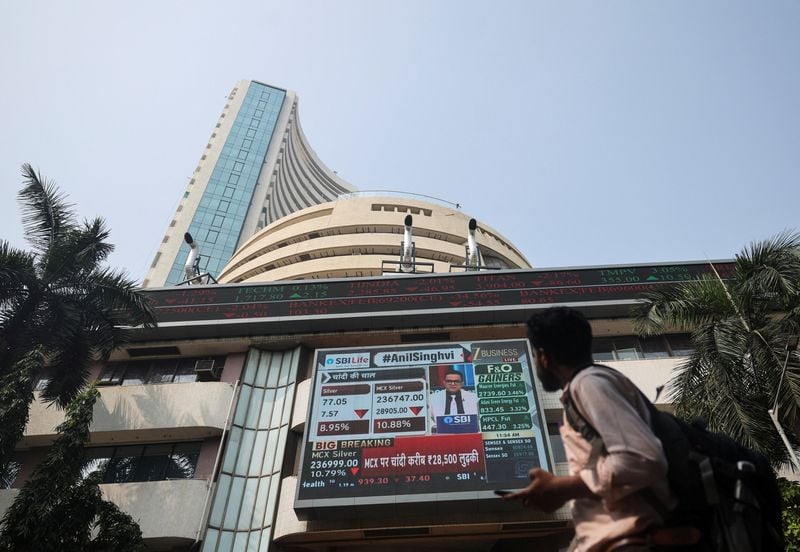
Indian stocks tumbled at the open on Monday as Middle East tensions pushed Brent crude above $90 a barrel for the first time in months. The BSE Sensex fell 640 points to 77,512 and the Nifty 50 dropped 170 points to 24,163, according to Nasdaq.
A 5% slide in HDFC Bank shares led the selloff, punishing the broader banking sector. Rising oil prices and nine straight days of U.S. strikes on Iran added to a darkening mood for investors.
HDFC Bank's Margin Squeeze Drags Lenders Lower
HDFC Bank fell about 5% at the open after reporting that its profit margins narrowed in the June quarter. Net profit still rose roughly 5%, but that was not enough to impress investors, according to Nasdaq. The result came in broadly in line with estimates — meaning no positive surprise to lift the stock.
Not every bank had a bad day. Kotak Mahindra Bank and Axis Bank both posted stronger-than-expected June-quarter results, helping to cap the market's decline, Nasdaq reported. Still, HDFC Bank's size — it is one of India's largest private lenders — meant its drop pulled the whole sector down with it.
Brent Above $90 as Iran War Enters Day Nine
Brent crude crossed $90 a barrel as the Gulf conflict entered its ninth consecutive day of U.S. military strikes. American casualties have risen to three, underscoring the growing risk to the region, according to HDFCSky. Iranian missiles were also reported heading toward Jordan, raising fears the war could spread beyond its current flashpoints.
Higher oil prices are bad news for India. The country imports most of its crude, so any sustained rise in global prices feeds directly into domestic inflation. Traders fear that if Brent stays above $90, the Reserve Bank of India will have less room to cut interest rates to support growth, Market Screener noted.
Wall Street Losses and Netflix Miss Add to Caution
Monday's selloff in Mumbai did not happen in a vacuum. Indian shares followed Wall Street lower, where tech stocks slid after Netflix posted a weaker-than-expected outlook, according to TradingView. The S&P 500's retreat added another layer of caution for Indian investors already nervous about oil.
The Sensex ended Monday's full session down 0.6% to 77,709, while the Nifty 50 closed 0.4% lower at 24,239, TradingView reported. Gift Nifty futures — an early indicator of where markets will open — closed down through the session, signaling continued pressure, according to HDFCSky.
Reliance and Earnings Season Keep Some Hope Alive
Not everything points down. India's earnings season is in full swing, and results from Reliance Industries and several top banks are helping anchor sentiment. Axis Bank and Kotak Mahindra's strong numbers show that parts of the economy remain healthy, even as global risks mount.
Investors are now watching two things closely: how high oil goes, and how quickly the Gulf conflict spreads. If Brent pulls back below $90 and the fighting stays contained, markets could stabilize. But any escalation — especially around key shipping routes in the Strait of Hormuz — could quickly erase those earnings-driven gains, Nasdaq warned.
Sentiment
Mostly NegativeNEGATIVENEUTRALPOSITIVE
Publishers
21
Articles
30
Reach
51
A
AnonymousAuthor


