Oil Surge Rattles Markets
Asian Stocks Fall as Gulf Tensions Drive Oil Surge and Rekindle Inflation Fears
Anonymous
Key Points
1
Brent crude traded around $78.40–$78.50 per barrel, up roughly 3% as renewed Gulf tensions raised supply concerns.
2
U.S. officials said around 20 vessels had been escorted through the Strait of Hormuz in the previous 24 hours, underscoring ongoing security risks in the waterway.
3
Earnings season began with Goldman Sachs and JPMorgan Chase among the major banks due to report soon, setting the tone for profit outlook.
4
S&P 500 companies are expected to post a roughly 24% jump in second-quarter profits, testing whether earnings can sustain a rally driven by AI optimism.
5
Regional equities extended losses with South Korea's Kospi down about 1.6% and Japan's Nikkei 225 down roughly 0.2% as oil prices surged.
Asian stocks fell sharply on Monday as Iran claimed to have closed the Strait of Hormuz, sending Brent crude surging to around $78.50 per barrel — a jump of roughly 3% in a single session. Market Screener reported that the dollar rose and bond yields climbed as investors braced for fresh inflation risks.
The escalation in the Gulf comes just as Wall Street's earnings season kicks off, with major banks including Goldman Sachs and JPMorgan Chase set to report. Traders are now weighing the threat of higher oil-driven inflation against expectations for a strong corporate profit season.
Iran Closes Key Oil Waterway, Crude Prices Spike
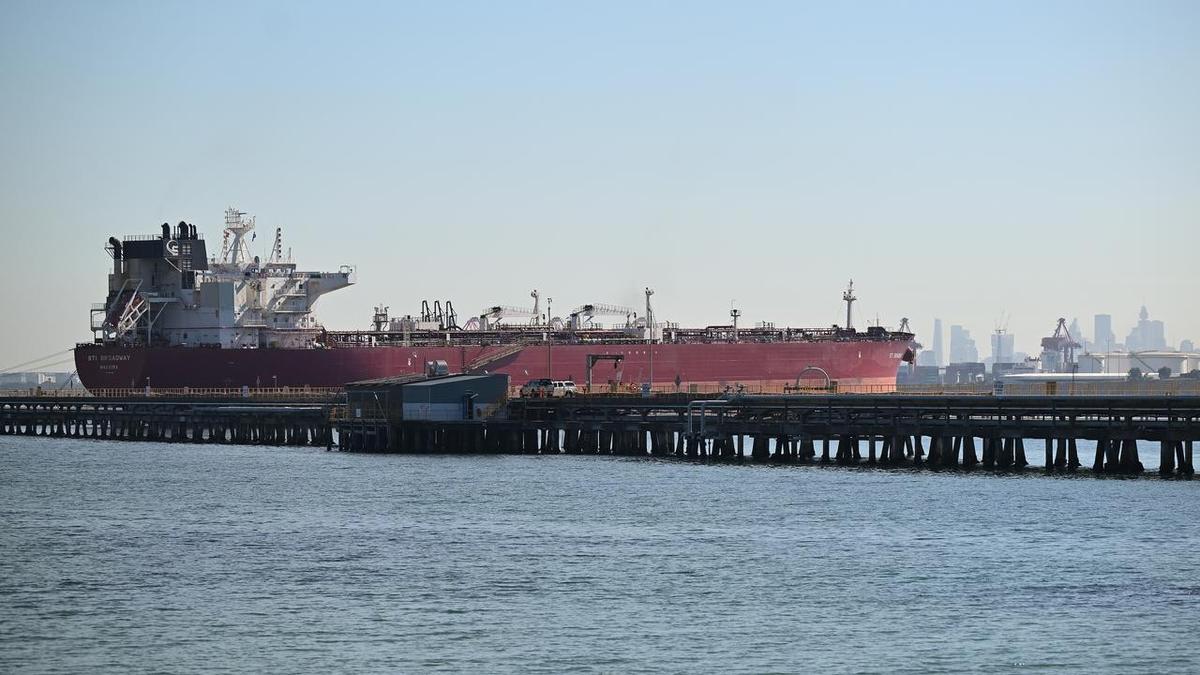
Iran claimed to have shut the Strait of Hormuz as fighting with the US intensified. The strait is one of the world's most critical oil shipping lanes. About 20% of global crude passes through it. Sacramento Bee reported that U.S. officials said around 20 vessels had been escorted through the waterway in the previous 24 hours, highlighting the ongoing security risk.
Brent crude climbed to roughly $78.40–$78.50 per barrel, up about 3% on the day. Higher oil prices push up the cost of fuel and goods across the global economy. That raises the risk of inflation — meaning everyday prices go up faster. Investors fear this could force central banks to keep interest rates high for longer.
Asia Markets Slide as Gulf Tensions Rattle Investors
Stock markets across Asia fell as the oil surge hit sentiment. South Korea's Kospi dropped about 1.6%, while Japan's Nikkei 225 slipped roughly 0.2%, according to News Observer. Australia's benchmark S&P/ASX 200 also wobbled at the open, with Perth Now noting the index pulled back amid caution over renewed US-Iran fighting.
US stock futures were mixed. That means traders were not making big bets in either direction. Investors were waiting to see how the Gulf situation developed and what corporate earnings reports would show. Volatility — or sharp, unpredictable price swings — remained elevated across global markets.
Fed Rate Fears Return as Dollar and Bond Yields Rise
The dollar strengthened and government bond yields rose as markets priced in the chance of a Federal Reserve rate hike. Bond yields rise when investors expect higher interest rates ahead. The Fed's rate nominee Kevin Warsh is due to testify soon, and key US inflation data is also on the calendar — two events that could move markets further.
Higher oil prices feed directly into inflation data. If inflation picks back up, the Fed may feel pressure to raise rates — or hold them high. That makes borrowing more expensive for companies and consumers alike. It also makes stocks less attractive compared to safer investments like bonds.
Earnings Season Tests Whether AI Rally Can Hold Up
Despite the turmoil, Wall Street's earnings season is now underway. S&P 500 companies are expected to post a roughly 24% jump in second-quarter profits, according to AAP News. That would be a strong result. Much of the optimism has been fueled by excitement around artificial intelligence, which has driven big gains in tech stocks this year.
Goldman Sachs and JPMorgan Chase are among the first major banks due to report. Their results will set the tone for how confident investors feel about the broader economy. Analysts say tech remains a key driver to watch. But higher oil prices and rate fears could take the edge off any AI-fueled enthusiasm, at least in the short term.
Sentiment
Mostly NegativeNEGATIVENEUTRALPOSITIVE
Publishers
19
Articles
289
Reach
308
A
AnonymousAuthor


