Iran-Hormuz Oil Crisis
Global Markets React to Iran Tensions as Oil Prices Jump Amid Hormuz Supply Risks
Anonymous
Key Points
1
European equity markets slipped on the flare-up around the Strait of Hormuz, with the DAX down about 2.4%, CAC 40 down about 2.2%, and FTSE 100 down roughly 1.7%.
2
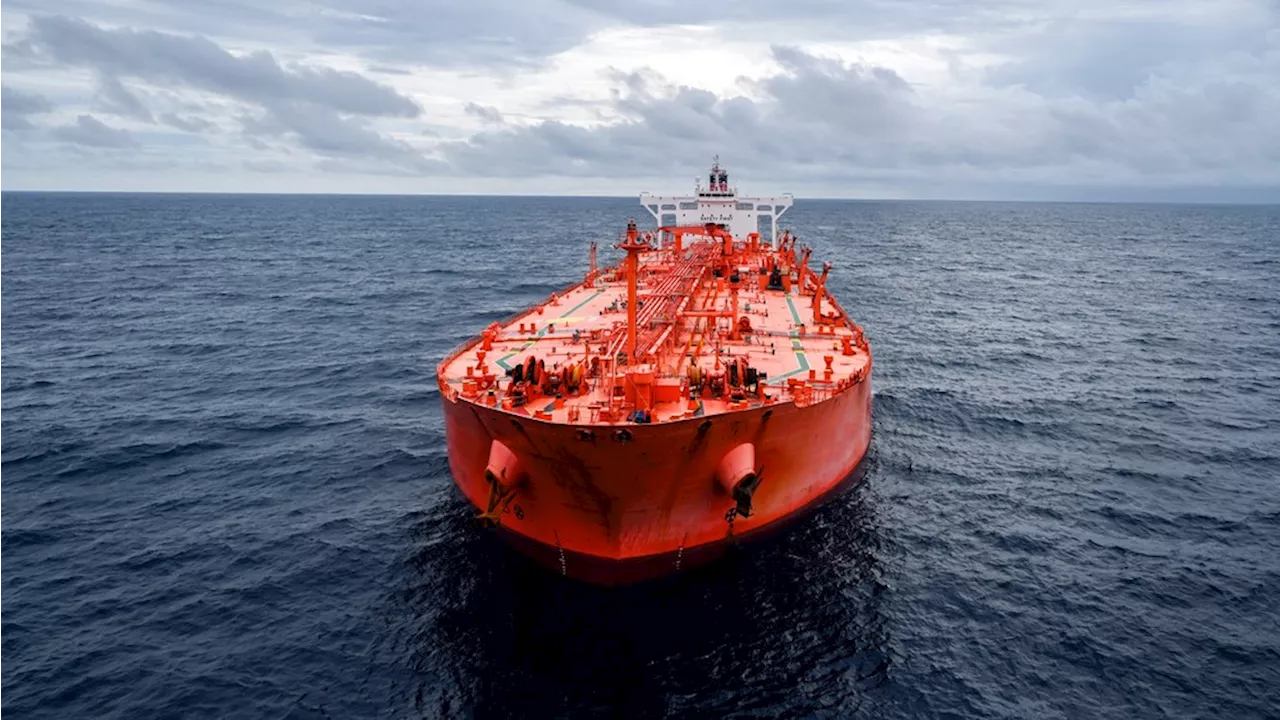
Tanker movements continued amid tensions: six ships were observed moving toward Hormuz, including an ExxonMobil-chartered VLCC that transited through a corridor Iran says it controls, while others paused or altered routes as the Joint Maritime Information Center raised the regional threat level to SEVERE.
3
U.S. strikes targeted more than 80 Iranian military facilities, helping drive Brent toward the upper $70s (around $77.36 a barrel) as markets priced in possible supply disruptions.
4
An interim 60-day period allowed ships to pass through the Strait of Hormuz without charges, illustrating the fragility of existing arrangements amid renewed hostilities.
5
Markets are pricing a high likelihood that Iran will charge Hormuz transit fees by year-end, with Polymarket showing about a 75.5% probability of such fees by December 31.
President Trump declared the U.S.–Iran ceasefire "over" on July 8, 2026, sending oil prices surging more than 6% in a matter of hours. Brent crude jumped to nearly $79 a barrel and West Texas Intermediate hit $75, as traders priced in a severe risk of supply disruptions through the Strait of Hormuz — a chokepoint carrying 20–25% of the world's oil and LNG Economic Times.
The declaration came after U.S. Central Command launched strikes on more than 80 Iranian military facilities overnight, following attacks on three commercial tankers near Oman on July 6–7. Trump, speaking on the sidelines of the NATO Summit in Ankara, called Iranian leaders "scum" and "cuckoo," and threatened to seize Iran's Kharg Island oil terminal Middle East Monitor.
How a Fragile Truce Collapsed in 72 Hours
The June 17 Islamabad Memorandum of Understanding had opened a 60-day toll-free window for ships to pass through the Strait. Iran and the U.S. agreed to dual transit corridors — a northern lane Iran controlled and a southern lane protected by U.S. and Omani forces. But on July 4, Iran's Ambassador to China signaled Tehran would charge "service fees" on all vessels once the 60-day window closed Bay Street.
The truce unraveled fast. Between July 6–7, three tankers were hit in a 24-hour period near Oman — including the Qatari LNG tanker *Al Rekayyat*, which caught fire in its engine room, and the Saudi supertanker *Wedyan*. The U.S.-led Joint Maritime Information Center raised the Strait's threat level to SEVERE. The U.S. Treasury then revoked General License X, cutting off Iran's authorized oil export waiver Middle East Monitor.
Tankers Split Between Running the Gauntlet and Turning Back
Shipping responses were split. Six tankers were tracked moving toward Hormuz even as the threat level hit SEVERE. One stood out: a very large crude carrier (VLCC) chartered by ExxonMobil, carrying 2 million barrels of crude, transited outbound through the northern Iranian-controlled corridor overnight. Other operators were less bold — at least four tankers made U-turns or dropped anchor east of the Strait Head Topics.
Analyst Jan Stuart of Piper Sandler said shipping operations are "suddenly very far from normal." War-risk insurance premiums have stayed high, giving insurers no reason to ease rates. Airlines like Air France and Lufthansa saw stocks drop over 5% on fears of higher jet fuel costs Guru Focus.
European Markets Sell Off as Inflation Fears Return
European stock markets fell sharply on July 8. Germany's DAX dropped about 2.4%. France's CAC 40 fell 2.2%. London's FTSE 100 slid roughly 1.7%. Spain's IBEX 35 was hit hardest, falling up to 2.5%, partly due to Trump threatening to cut off all U.S. trade with Spain in a separate defense spending dispute Economic Times.
Susannah Streeter, Chief Investment Strategist at Wealth Club, warned that the surge in oil prices is "a major setback just as nations around the world have been breathing a sigh of relief." She added that "surging oil prices have sparked worries again about persistent inflation." The IMF estimates the 2026 conflict has already pushed global oil prices up nearly 32% on the year, with world economic growth slowing to just 3% Middle East Monitor.
Prediction Markets See Iran Charging Hormuz Fees by Year-End
Betting markets are pricing in a grim outlook for Hormuz. Polymarket traders now put a 75.5% probability on Iran enforcing mandatory transit fees by December 31, 2026. Kalshi traders put only a 44% chance that normal shipping flows — defined as more than 60 transits per day on a seven-day average — resume by December 1 Bay Street.
Before the ceasefire collapsed, Citigroup had forecast Brent falling back to $60–$65 a barrel by end-2026, assuming the Islamabad deal would hold. Now bullish analysts point to multi-decade lows in global oil inventories and warn prices could reach $150 a barrel if the Strait stays disrupted. Trump's threat to seize Kharg Island — Iran's biggest oil export terminal — has added another layer of uncertainty to an already volatile market Guru Focus.
Sentiment
Mostly NegativeNEGATIVENEUTRALPOSITIVE
Publishers
95
Articles
314
Reach
409
A
AnonymousAuthor


