Geopolitical Risk Drives Oil
Oil Prices Surge as U.S.-Iran Tensions Escalate, Keeping Stock Futures Mixed Globally
Anonymous
Key Points
1
U.S. stock index futures pointed to gains before the open, with Nasdaq-100 futures up 0.57%, the S&P 500 up 0.21%, and the Dow up 0.04% at 12:58 a.m. EDT, as investors tracked escalations in the Middle East.
2
Oil was firming: Brent crude rose about 2.5% to $90.18 a barrel and WTI gained about 2.06% to $84.03, as concerns mounted about potential disruptions in the Strait of Hormuz.
3
Brent surged to as high as $91.42, the strongest level in more than a month, while 10-year Treasury futures fell and Nasdaq-100 futures rose about 0.5% after last week’s tech-driven selloff tied to AI.
4
A ship was reported on fire in the Strait of Hormuz near Oman, amplifying disruption fears as Brent briefly crossed $91; President Donald Trump said the United States was hitting Iran 'very hard' in retaliation.
5
Analyst Stephen Innes of SPI Asset Management cautioned that markets were pricing the conflict as an oil, inflation and regional-risk event rather than signaling a systemic shock.
Oil prices surged Monday as U.S.-Iran hostilities entered a ninth consecutive night of exchanges, pushing Brent crude to as high as $91.42 a barrel — its strongest level in more than a month. Yahoo Finance reported that the U.S. announced further strikes while Iran responded by targeting American allies across the Middle East.
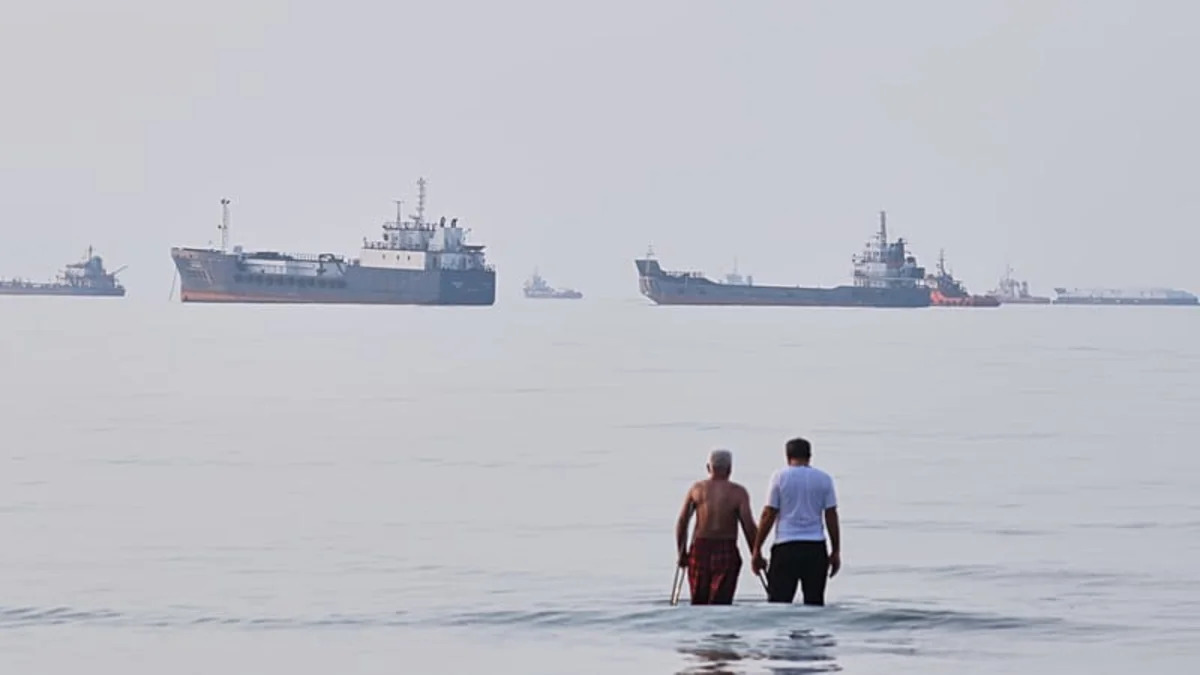
A ship was reported on fire in the Strait of Hormuz near Oman, amplifying fears of energy supply disruptions. President Donald Trump said the United States was hitting Iran "very hard" in retaliation, sending shockwaves through global commodity markets.
Brent Crude Spikes as Hormuz Fears Mount
Brent crude rose about 2.5% to $90.18 a barrel in early trading, while West Texas Intermediate gained roughly 2.06% to $84.03, according to Yahoo Finance. The Strait of Hormuz — a narrow waterway that carries roughly 20% of the world's oil — sits at the center of the crisis. Any blockage there could choke global energy supply almost immediately.
Crypto Briefing noted that the International Energy Agency has flagged the strait as the world's most critical oil chokepoint. With a ship ablaze in the waterway, traders moved fast. Brent briefly crossed $91 before pulling back slightly, still posting its biggest single-day gain in weeks.
U.S. Stock Futures Hold Gains Despite Conflict Jitters
Despite the turmoil, U.S. stock index futures pointed higher early Monday. Nasdaq-100 futures rose 0.57%, S&P 500 futures gained 0.21%, and Dow futures edged up 0.04% as of 12:58 a.m. EDT. Investors were also watching major earnings reports from Alphabet, Intel, IBM, and Tesla due later in the week.
Tech shares had already been under pressure from last week's AI and chip-cycle selloff. But some indices showed resilience. Bond markets moved lower, with 10-year Treasury futures falling as oil's rise stoked inflation concerns and traders reassessed Federal Reserve rate expectations.
Analysts See Oil Risk, Not a Full Market Meltdown
Stephen Innes of SPI Asset Management said markets were treating the conflict as "an oil, inflation and regional-risk event" rather than a sign of systemic financial stress. That framing helped keep equity futures from falling sharply. Investors appeared to believe the fallout would stay contained — for now.
European markets opened mixed as oil climbed and the dollar weakened. Analysts described the moves as a measured response to geopolitical risk. Still, if the Strait of Hormuz sees sustained disruption, the inflation math changes quickly — and so could the Fed's path on interest rates.
Nine Nights of Strikes With No End in Sight
The U.S. has now carried out strikes against Iran for nine straight nights, according to Yahoo Finance. Iran has responded each time by hitting U.S. allies in the region. The pattern shows no sign of stopping. Trump's public comments have signaled a willingness to escalate further rather than seek a quick off-ramp.
Markets are now watching two things closely: whether the Strait of Hormuz stays open, and whether either side signals any intent to negotiate. Until one of those changes, oil traders are likely to keep bidding prices higher every time a new strike is announced.
Sentiment
Mostly NegativeNEGATIVENEUTRALPOSITIVE
Publishers
17
Articles
71
Reach
88
A
AnonymousAuthor


