Hormuz Tensions Fuel Oil Price Surge
Oil Prices Rise as U.S. Revokes Iran Waiver Amid Escalating Strait of Hormuz Strikes
Anonymous
Key Points
1
Iran attacked three vessels transiting the Strait of Hormuz: a Qatari LNG carrier, a Saudi oil tanker, and a Liberian-flagged oil tanker, with Iran saying the LNG carrier was struck after ignoring repeated warnings.
2
The U.S. retaliation included strikes on multiple Iranian targets—air defence systems, command and control networks, coastal radar sites, anti-ship missile capabilities, and more than 60 Islamic Revolutionary Guard Corps small boats in and near the Strait—to degrade Iran's ability to disrupt international commerce.
3
The U.S. Treasury withdrew a waiver allowing Iran to sell its oil, signaling tighter sanctions enforcement and raising pressure on Tehran at a moment of renewed tensions around the Strait.
4
The Strait of Hormuz remains effectively under strain amid ongoing hostilities, with the Joint Maritime Information Center raising the shipping threat level to 'severe' and the broader ceasefire arrangement tested by recent attacks.
5
Oil prices moved into the high-$70s, with Brent around $76 per barrel and WTI around $72 per barrel on the day, reflecting renewed supply risk and geopolitical tension.
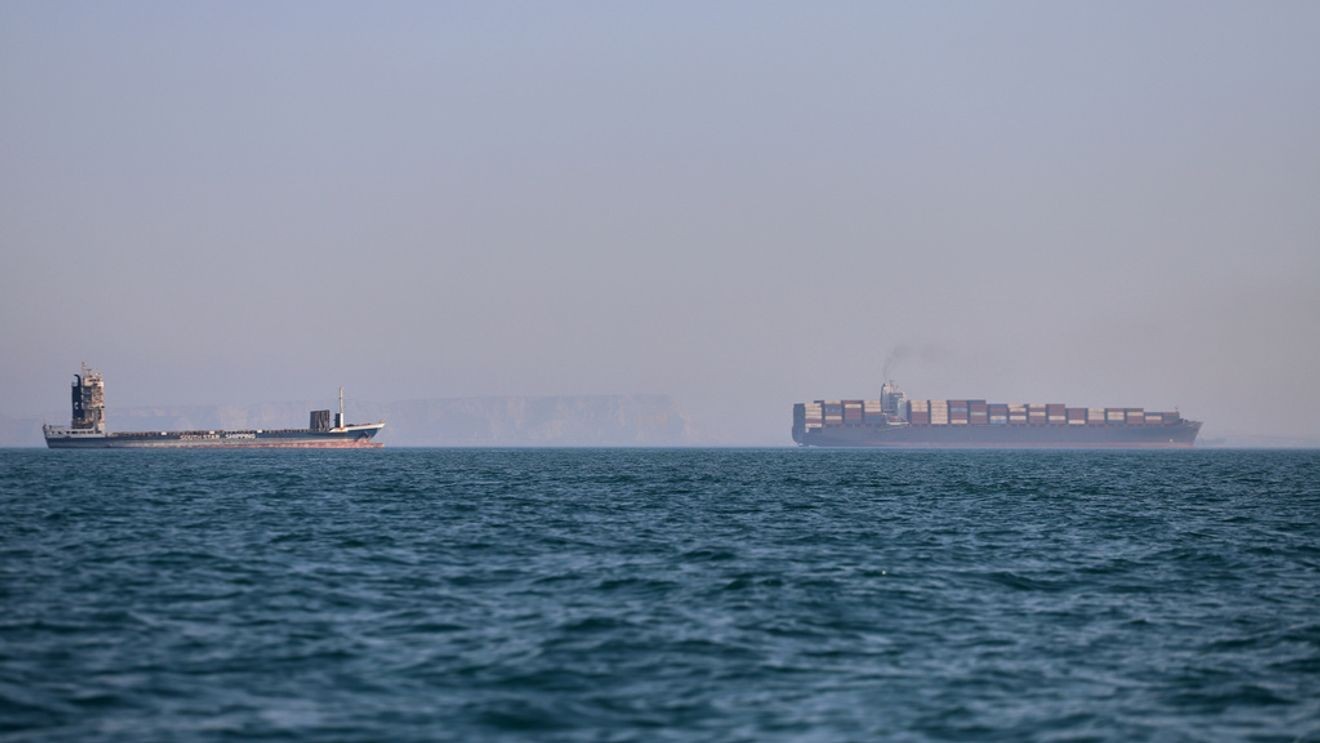
Oil prices surged nearly 6% on Wednesday after President Trump declared the U.S.–Iran ceasefire "over," following Iranian strikes on three commercial vessels in the Strait of Hormuz Newsy Today. Brent crude climbed past $76.60 per barrel and WTI rose to around $72, as markets priced in a sharp new round of supply risk at the world's most critical energy chokepoint russpain.com.
The U.S. Treasury simultaneously revoked General License X — the 60-day waiver that had allowed Iran to sell oil freely — replacing it with the far tighter General License X1, which bans all new sales and gives buyers just 10 days to wind down existing deals russpain.com. Only 4 vessels transited the Strait of Hormuz on Wednesday morning, compared to a pre-war average of 138 ships per day.
Iran Strikes Three Vessels, U.S. Hits Back Hard
The crisis began Monday night when a missile struck the Qatari LNG carrier Al Rekayyat, sparking a fire in its engine room and forcing the crew to evacuate. Iran claimed the ship was "sailing dark" — with its tracking transponder off — and had ignored repeated warnings near Iranian military zones. Two more tankers were hit Tuesday morning: the Saudi supertanker Wedyan and the Liberia-flagged Cyprus Prosperity, which was struck by a drone.
The U.S. hit back hard. CENTCOM launched overnight strikes on more than 80 Iranian military targets, including coastal radar sites, air defense batteries, and missile installations. U.S. forces also destroyed more than 60 IRGC small boats in and near the Strait. CENTCOM said the strikes were meant to "impose heavy costs" and "degrade Iran's ability to continue attacking international commerce." Missile alerts then activated in Bahrain and Kuwait — both home to major U.S. bases.
Sanctions Waiver Pulled, 63 Million Barrels Stranded at Sea
The revocation of General License X dealt a major financial blow to Tehran. About 63 million barrels of Iranian crude are currently at sea, either idling or in transit across Asian waters. Under the new General License X1, those cargoes cannot legally be purchased or loaded, cutting off billions in expected revenue russpain.com. The wind-down deadline is 12:01 AM EDT on July 17, 2026.
Brett Erickson, Managing Principal at Obsidian Risk Advisors, called the moment a turning point: "The oil sanction waivers were the only notable upfront concession that Iran received." Iran's Deputy Foreign Minister Kazem Gharibabadi condemned the move as a "blatant violation" of the Islamabad peace deal, warning that Iran "will take decisive measures to safeguard its national interests." investinglive.com
Qatar's LNG Fleet Halts, Energy Markets Reel
The attack on the Al Rekayyat sent shock waves through global gas markets. Qatar is the backbone of world LNG supply. Ship-tracking data shows 14 LNG carriers now anchored off Qatar, refusing to transit the Strait. Buyers like Pakistan have been forced onto the expensive spot LNG market during peak summer demand, pushing up energy costs across the region ca.headtopics.com.
Qatar's Foreign Ministry spokesperson Majed al-Ansari called the strike "an unacceptable attack" and a "grave and explicit violation of international law," holding Iran "fully legally responsible." The International Maritime Organization's Secretary-General Arsenio Dominguez added: "No seafarer should have to risk their life simply for doing their job." The Joint Maritime Information Center raised the regional shipping threat level to "Severe" on Tuesday afternoon cbsaustin.com.
War Risk Premium Now Baked Into Every Barrel
The weekly crude rally of roughly 6% reflects a market that no longer believes the Strait is safe Newsy Today. Before the war, 138 ships transited daily. That number fell by up to 94% during the U.S. naval blockade, recovered to 54 ships per day after the June ceasefire deal, and has now collapsed again to just 4. Each step down has added dollars to the price of oil worldwide.
Maritime security analyst Martin Kelly of EOS Risk Group warned that after the scale of U.S. strikes, "Iran will attack at least Kuwait, maybe Bahrain, and/or other Gulf states" before any diplomatic channel can reopen. With the Islamabad MOU declared dead by Trump and Iran calling U.S. actions "lawlessness," analysts say the geopolitical risk premium now baked into crude prices could grow further if hostilities spread investinglive.com.
Sentiment
Mostly NegativeNEGATIVENEUTRALPOSITIVE
Publishers
52
Articles
334
Reach
386
A
AnonymousAuthor


