Hormuz Crisis Deepens.
Renewed Attacks on Shipping in Hormuz Unravel US-Iran Truce, Raising Energy Trade Fears.
Anonymous
Key Points
1
Delos re-emerged in the Persian Gulf hours after it was last located in the Gulf of Oman, illustrating the fragility of the Hormuz reopening; meanwhile Lila Vadinar, an India-flagged supertanker, reached the Musandam peninsula but then U-turned, signaling continuing caution for routes through Hormuz.
2
The LNG carrier Al Rekayyat was struck by a drone, triggering an engine room fire and prompting crew evacuation; Qatari officials characterised the attack as unacceptable and said Tehran bore legal responsibility for the damage and any repercussions.
3
UKMTO raised the Strait of Hormuz threat level to severe, with officials warning that deliberately hostile action is likely and noting continued hailing and routing pressure on AIS-active vessels.
4
Oman proposed a temporary transit corridor hugging its coastline to ease Hormuz traffic, a plan Iran opposes; Qatar, which helped broker the truce, denounced the attack on Al Rekayyat and urged Tehran to halt destabilising actions.
5
Iran is exploring digital currencies as a mechanism to collect tolls for Hormuz transit, including a Bitcoin-settled maritime insurance platform dubbed Hormuz Safe, with tolls reportedly reaching up to about 2 million dollars per supertanker.
A drone strike on the LNG carrier Al Rekayyat sparked an engine-room fire and forced crew evacuation in the Strait of Hormuz, dealing a sharp blow to a fragile US-Iran ceasefire Bloomberg Law. Qatar blamed Iran directly, calling the attack "unacceptable" and saying Tehran bears full legal responsibility for the damage.
UKMTO raised the Hormuz threat level to severe, warning that deliberately hostile action is likely Bloomberg Law. A handful of tankers have trickled through the strait, but others turned back — a sign that the waterway remains deeply dangerous even as diplomats scramble to hold a truce together.
Tankers Turn Back as Drone Strikes Resume
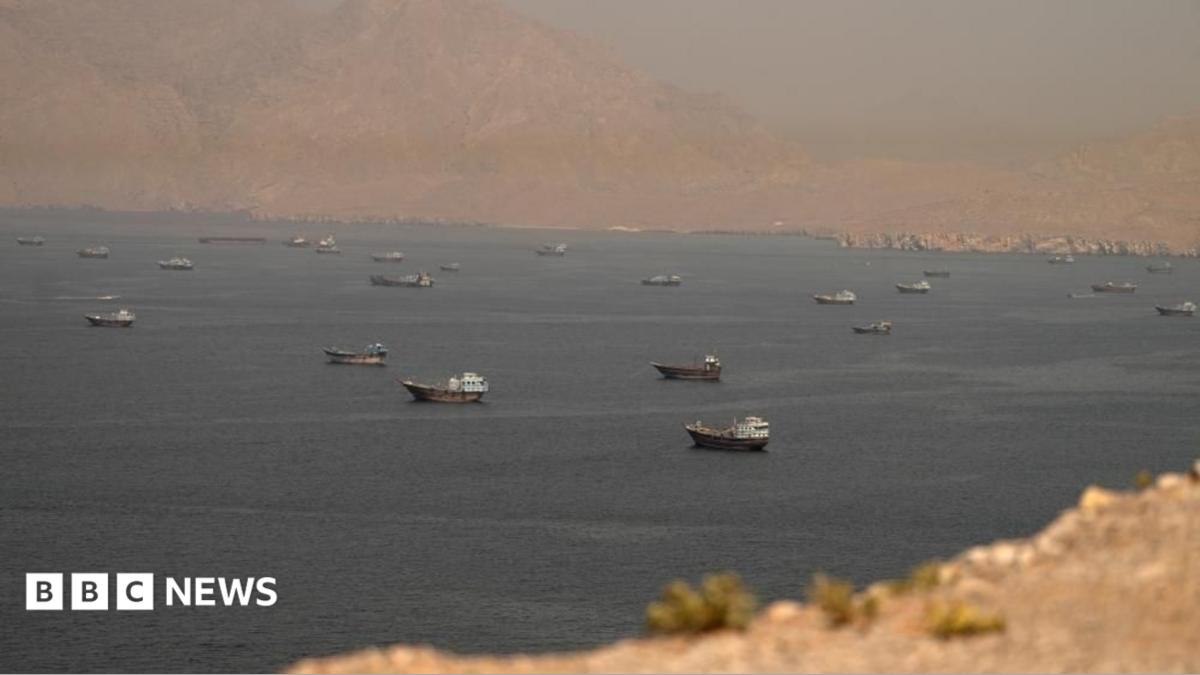
The supertanker Lila Vadinar reached the Musandam peninsula — the narrow entry point to Hormuz — but then U-turned rather than attempt the crossing Bloomberg Law. The vessel Delos reappeared in the Persian Gulf hours after last being tracked in the Gulf of Oman, suggesting it slipped through a brief window of calm. Both moves show how quickly conditions can shift.
US and Iranian forces traded precision strikes after three commercial oil tankers were hit in the strait Streamline Feed. The exchange followed a memorandum meant to de-escalate tensions, but that agreement appears to be unraveling fast. UKMTO officials noted continued hailing and routing pressure on ships broadcasting their location via AIS tracking systems.
Al Rekayyat Strike Puts Qatar and Iran on a Collision Course
The Al Rekayyat is a Qatari LNG carrier — a ship that moves liquefied natural gas. A drone hit it, triggering a fire in the engine room and forcing the crew to evacuate Bloomberg Law. Qatar helped broker the original truce, making the attack a direct slap at Doha's diplomatic role.
Qatari officials said Tehran bears legal responsibility and urged Iran to stop destabilising actions Bloomberg Law. The strike rattled global energy markets because Hormuz handles a large share of the world's LNG trade. Oil prices edged higher in response to the renewed violence The Independent.
Oman Offers a Coastal Corridor Iran Does Not Want
Oman proposed a temporary transit corridor hugging its coastline to ease pressure on Hormuz traffic Bloomberg Law. The plan would give commercial ships a safer path away from the most contested waters. Iran opposes the idea, preferring to keep full control over who passes and how.
Trump ordered fresh strikes after a third tanker was hit, keeping military pressure on Tehran even as talks continued The Independent. The back-and-forth — strikes, pauses, more strikes — has made any lasting ceasefire hard to believe in. Shipping companies are now making transit decisions ship by ship, day by day.
Iran Eyes Bitcoin Tolls to Profit From Every Passing Tanker
Iran is exploring a digital-currency platform called Hormuz Safe to collect transit fees Bloomberg Law. The system would use Bitcoin to settle payments, letting Tehran bypass traditional banking channels blocked by Western sanctions. Tolls could reach up to about $2 million per supertanker.
The plan signals that Iran sees Hormuz not just as a security lever but as a revenue stream. Critics warn it could push shipping costs sharply higher and accelerate inflation in energy-importing countries. For now, the bigger question is whether any transit arrangement can hold while drones are still flying.
Sentiment
Mostly NegativeNEGATIVENEUTRALPOSITIVE
Publishers
25
Articles
146
Reach
171
A
AnonymousAuthor


