Hormuz Tensions & Oil Markets
Oil Prices Climb Sharply as Iran Claims Hormuz Closure Amid Gulf Tensions
Anonymous
Key Points
1
UKMTO data showed transits slowed to 10 by Friday, and ship-tracking indicated no vessels in the Hormuz's narrowest stretch on Monday, at least not with their transponders on.
2
Japanese Finance Minister Satsuki Katayama floated an idea to encourage the Government Pension Investment Fund (GPIF) and other retirement funds, together about $1.8 trillion, to bring some of their cash home.
3
Oil prices rose—Brent and U.S. crude up almost 4%—as tensions in the Gulf fed a risk premium, contributing to a broader move in commodities and currencies.
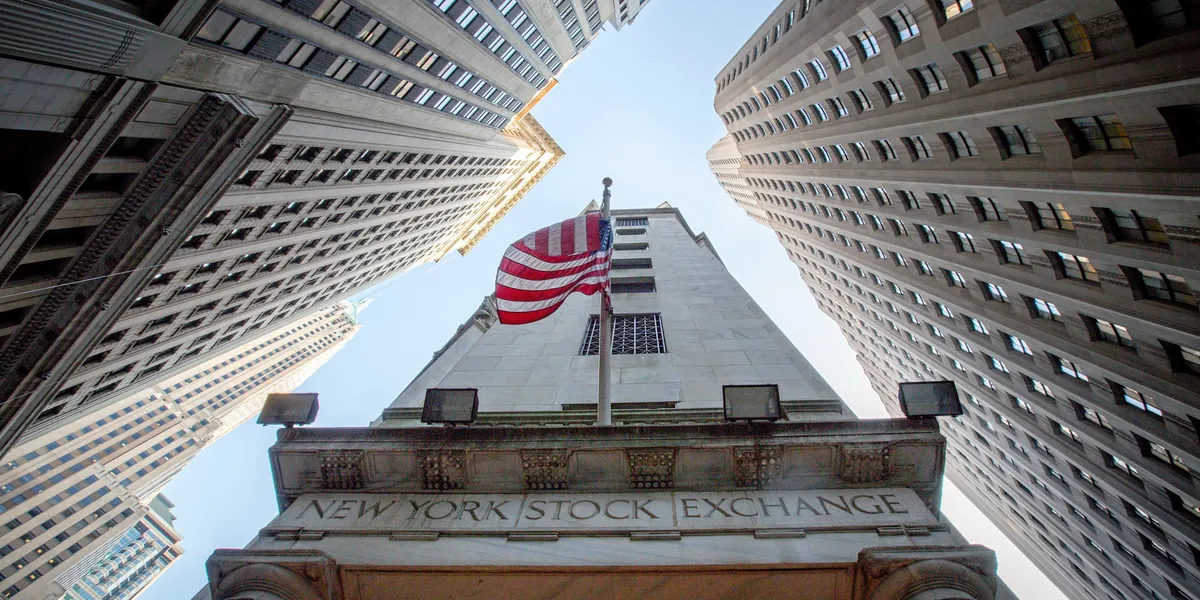
Iran claimed it had closed the Strait of Hormuz on Monday as U.S. and Iranian forces exchanged attacks in the Gulf, sending Brent crude and U.S. oil prices up nearly 4% and rattling global markets. President Trump pushed back, insisting the strait remained open, with U.S. officials saying 20 ships had passed through recently. Finance Yahoo reported the S&P 500 fell 0.7%, on track to snap two consecutive weeks of gains.
Ship-tracking data told a murky story. The UKMTO noted transits had slowed to just 10 by Friday. By Monday, no vessels appeared to be moving through the narrowest stretch of the waterway — at least none with their transponders switched on. TradeWinds News reported U.S. tanker stocks, including Frontline and DHT Holdings, took sharp hits as investors weighed the threat to shipping routes.
Oil Surges as Hormuz Traffic Grinds to a Halt
The Strait of Hormuz is the world's most critical oil chokepoint. About 20% of global oil supply passes through it. Iran's claim of closure — even if disputed — was enough to push oil sharply higher. Brent crude and U.S. crude both climbed close to 4%, with Brent crossing above $80 a barrel, according to Finance Yahoo.
The risk premium in oil spilled into other markets. The dollar strengthened, bond yields moved higher, and commodities broadly gained. Asian equities fell. European stock futures dropped around 0.6%. Analytics Insight noted Nasdaq futures saw the steepest losses, as investors grew nervous about inflation risks from rising energy costs.
U.S. Stocks Slide as Wall Street Absorbs the Shock
The damage on Wall Street was real. Sharecast reported the Dow Jones fell 0.26% to 52,498.64. The S&P 500 dropped 0.79% to 7,515.34. The Nasdaq led the losses, finishing 1.55% lower at 25,873.18. It was a rough start to a week already packed with major earnings reports focused on AI and semiconductor companies.
SK Hynix, the South Korean chipmaker that just launched its U.S. IPO, felt the pressure immediately. TipRanks reported the stock closed down 9% on its first full day of trading. The broader tech selloff reflected investor anxiety heading into a heavy earnings season, where AI spending and cash flows are under the microscope.
AI Spending Boom Threatens Big Tech's Cash Flow
Analysts at Bank of America raised a red flag on AI spending. The largest tech companies — called hyperscalers — are on track to spend about $234 billion this year on AI infrastructure. That level of spending is eating into cash generation. Bank of America warned that free cash flow could turn negative for the first time since at least 2007.
The warning lands at a sensitive moment. Investors are already watching inflation closely. June inflation is expected to ease to around 4.2%, but surging oil prices could wipe out some of that cooling. Fed Chair Warsh is set to testify before Congress, and markets have started pricing in a higher chance of an interest rate hike in the months ahead.
Japan's Pension Giant Eyes a Trillion-Dollar Asset Shift
Another market-moving headline came from Tokyo. Japanese Finance Minister Satsuki Katayama floated an idea to bring some overseas money home. The plan would encourage Japan's Government Pension Investment Fund — known as GPIF — and other retirement funds to repatriate assets. Together, these funds hold about $1.8 trillion.
The yen moved on the news. The dollar traded around 162.05 yen as traders weighed what a large-scale asset repatriation could mean for currency flows. TradeWinds News noted the combination of Gulf tensions and Japanese financial headlines made for an unusually volatile start to the trading week.
Sentiment
Mostly NegativeNEGATIVENEUTRALPOSITIVE
Publishers
24
Articles
106
Reach
130
A
AnonymousAuthor


