Hormuz Tensions Escalate
Hormuz Tensions Drive Oil Higher, Boosting Dollar and Fed Rate Hike Expectations
Anonymous
Key Points
1
Market-implied probability of a September rate hike rose to 72% per the CME FedWatch Tool, up from 63% last week, signaling a stronger tightening bias.
2
Fed officials Vice Chair Michelle Bowman and Governor Christopher Waller are slated to testify on how the current inflation trajectory is shaping the central bank’s stance.
3
U.S. airstrikes targeted Iranian military facilities after Iranian attacks on vessels; Iran retaliated with missiles and drones at U.S.-linked facilities across the Gulf, underscoring market fears of higher energy prices.
4
A monetary-policy briefing to Congress highlighted tariffs, war-related energy costs, and AI-driven demand as factors adding to inflation pressures, reinforcing the case for a firmer dollar.
5
The Strait of Hormuz chokepoint accounts for roughly one-fifth of global oil supply, amplifying market anxiety over potential disruptions and feeding the risk premium in asset pricing.
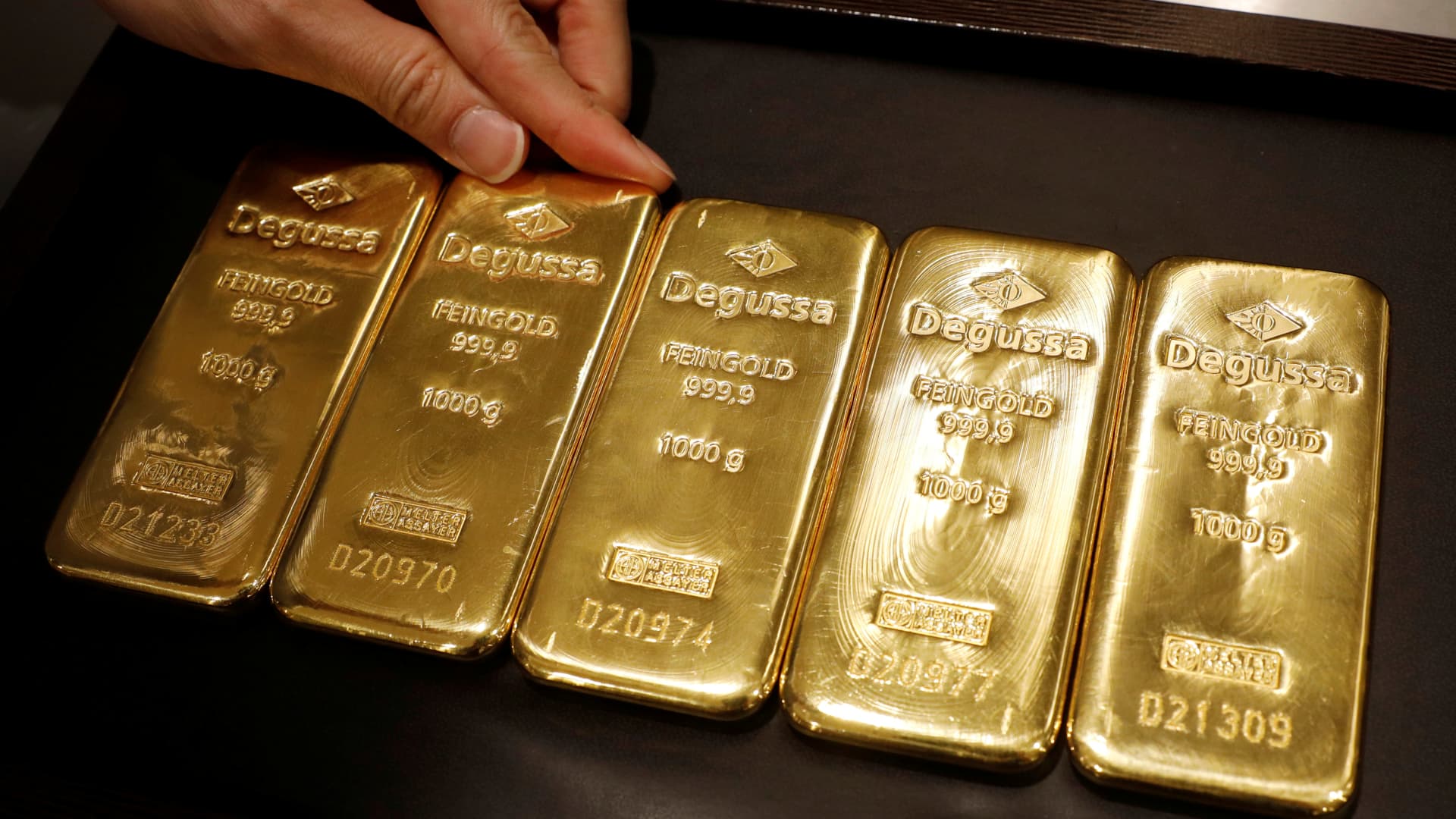
Gold dropped more than 1% on Monday as fears of a Strait of Hormuz closure sent oil prices surging roughly 4%, according to CNBC. Spot gold fell 1.5% to $4,059.11 per ounce, while the dollar strengthened as investors braced for higher inflation and tighter monetary policy.
The Strait of Hormuz carries about one-fifth of the world's oil supply, Discovery Alert noted. Any disruption there hits energy markets fast — and right now, traders believe the risk is very real.
US-Iran Strikes Spark Gulf-Wide Missile Exchanges
U.S. airstrikes hit Iranian military facilities after Iran attacked vessels in the Gulf. Iran fired back with missiles and drones at U.S.-linked targets across the region. The back-and-forth has raised serious fears about the flow of oil through one of the world's most critical chokepoints, CNBC reported.
The Strait of Hormuz connects the Persian Gulf to the Gulf of Oman. About 20% of global oil moves through this narrow corridor. If it closes — even briefly — markets expect a sharp, lasting spike in energy costs, according to Discovery Alert.
Oil Jumps 4%, Pushing Dollar Up and Gold Down
Oil's roughly 4% surge drove the U.S. dollar higher. A stronger dollar makes gold more expensive for buyers using other currencies. That pressure pushed spot gold down to $4,059.11. Higher oil also signals higher inflation — and higher inflation means the Federal Reserve may keep raising interest rates, Newsy Today reported.
Higher rates make gold less attractive. Gold pays no interest. When yields rise, investors often move money out of gold and into bonds or cash. That dynamic is hitting gold hard right now, according to The Sen Times.
Fed Rate Hike Odds Jump to 72% for September
Markets are now pricing in a 72% chance the Federal Reserve raises rates in September, up from 63% last week, per the CME FedWatch Tool. That shift reflects growing inflation fears tied to the conflict. A briefing to Congress flagged tariffs, war-driven energy costs, and AI-related demand as factors pushing prices higher.
Fed Vice Chair Michelle Bowman and Governor Christopher Waller are set to testify before Congress. Traders are watching closely for any signal that the Fed will hold firm on tighter policy. HDFC Sky noted that commodity markets broadly saw mixed results as geopolitical risks reinforced the case for a stronger dollar.
Analysts Split on Gold's Longer-Term Direction
Near-term pressure on gold is clear. But some analysts argue the picture could flip. If high energy costs slow the economy sharply, demand destruction could push inflation back down. That deflationary outcome might eventually support gold, even as it suffers now, according to CNBC.
For now, the risk premium from Middle East tensions is keeping gold under pressure. Oil supply fears, a rising dollar, and tighter Fed expectations are all working against precious metals. Traders say the next big move in gold depends on whether the Strait of Hormuz actually closes — or stays open.
Sentiment
Mostly NegativeNEGATIVENEUTRALPOSITIVE
Publishers
16
Articles
35
Reach
51
A
AnonymousAuthor


