Mideast Tensions Boost Dollar
Middle East Tensions Elevate Inflation Fears, Strengthening Dollar and Rate Hike Expectations
Anonymous
Key Points
1
Renewed U.S.-Iran clashes and threats around the Strait of Hormuz intensified inflation fears by elevating the energy-risk premium; Tehran said it had again closed the Strait while targeting U.S. facilities across Gulf states.
2
Brent crude rose about 3.3% to roughly $78.49–$78.50 a barrel in early trading as Hormuz tensions supported oil prices.
3
Markets saw a rise in U.S. 10-year Treasury yields, with yields around 4.59%, underscoring how higher energy costs can feed into expectations of a tighter Fed policy.
4
Fed-rate expectations shifted higher, with CME’s FedWatch showing about a 52% probability of two or more rate hikes by December, up from the prior level.
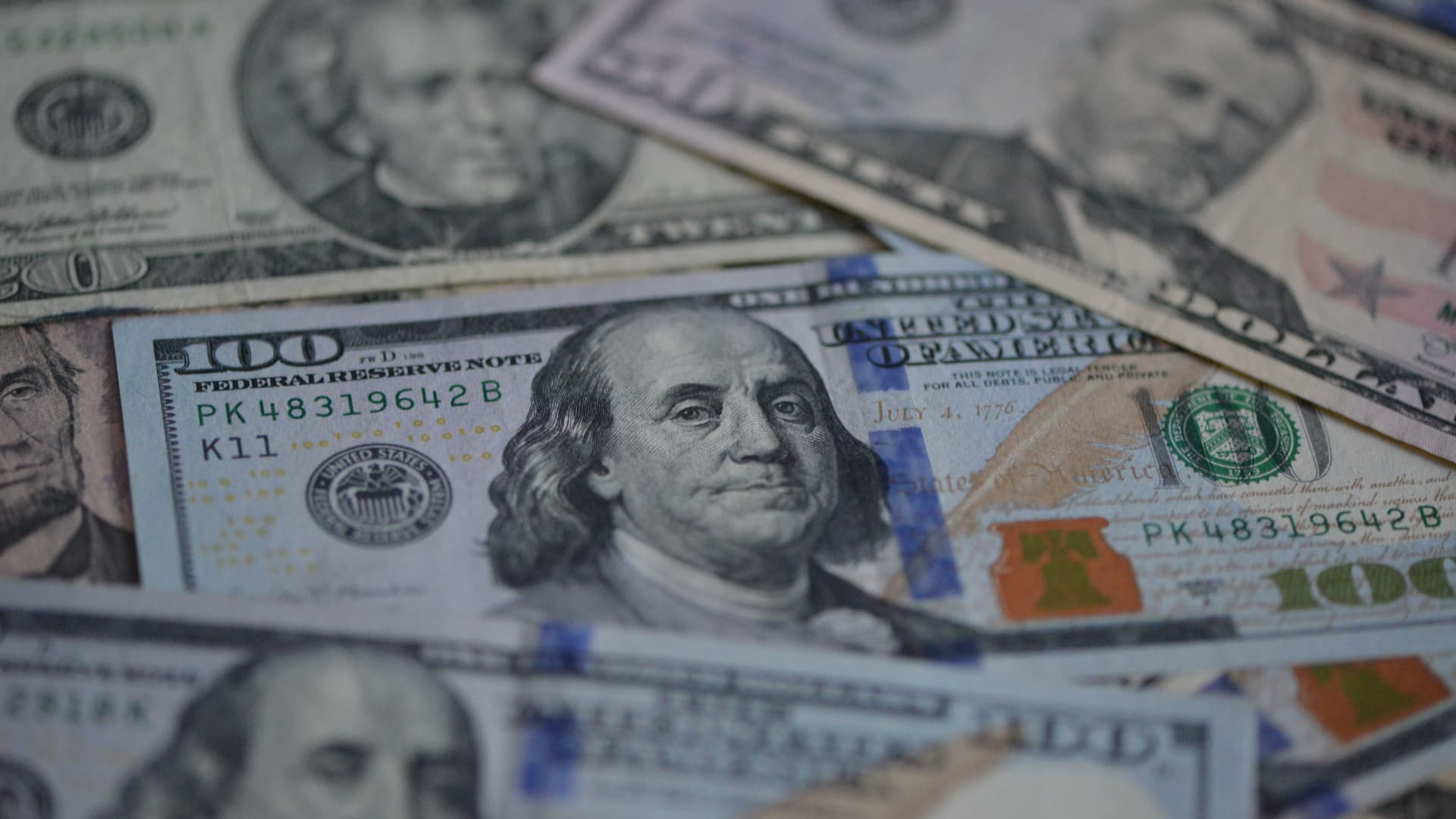
The US dollar surged Monday as renewed clashes between US and Iranian forces reignited inflation fears and pushed oil prices sharply higher. Economic Times reported that the dollar rose 0.1% against the Japanese yen to 161.92, while the euro slipped 0.1% to $1.1403 and the pound also dipped, as traders rushed to safe-haven assets.
Tehran said it had again closed the Strait of Hormuz and targeted US facilities across Gulf states. Brent crude climbed roughly 3.3% to about $78.50 a barrel in early trading, according to CNBC. The US Dollar Index held near 101.07 after earlier gains.
Strait of Hormuz Closure Sends Oil Prices Surging
US and Iranian forces exchanged heavy missile and drone strikes over the weekend. Tehran then announced the closure of the Strait of Hormuz — a narrow waterway that handles about 20% of the world's oil supply. The move sent shock waves through energy markets worldwide.
Brent crude topped $79 a barrel at its session high, according to Whalesbook. Higher oil prices raise the cost of imports for many countries. That puts upward pressure on inflation — and on the central banks that must fight it.
Energy Shock Shifts Fed Rate-Hike Expectations Higher
Higher energy costs feed directly into consumer prices. That changes how traders think about interest rates. When inflation looks stickier, central banks tend to keep rates elevated for longer — and that makes the dollar more attractive to hold.
CME's FedWatch tool now shows about a 52% probability of two or more rate hikes by December, up from prior levels. US 10-year Treasury yields rose to around 4.59%, according to Freedom 96.9. Traders are now watching key data releases — including CPI and PPI figures — and a scheduled testimony from Fed Chair Warsh for fresh clues.
Indian Rupee Takes a Direct Hit From Oil Surge
Emerging-market currencies felt the pain fast. The Indian rupee fell 38 paise to 95.70 against the dollar on Monday, according to News Arena India. India imports most of its oil, so rising crude prices push up the country's import bill and widen its trade deficit.
Whalesbook noted that Brent prices above $79 a barrel add significant strain to India's energy costs. A weaker rupee also makes imports more expensive, which can feed domestic inflation — compounding pressure on the Reserve Bank of India to respond.
Markets Wait to See If Dollar Rally Can Hold
The Australian and New Zealand dollars both eased as risk appetite dropped. Investors pulled back from currencies tied to global growth and trade. The dollar's rise reflects a simple logic: when the world gets riskier, money flows to the US currency.
But the rally's staying power is uncertain. CNBC reported that traders are waiting for concrete data before making big bets. If CPI figures come in lower than expected, pressure on the Fed to hike could ease — and the dollar's gains could quickly fade.
Sentiment
Mostly NegativeNEGATIVENEUTRALPOSITIVE
Publishers
35
Articles
164
Reach
199
A
AnonymousAuthor


