Mideast Tensions Flare
US-Iran Tensions Fuel Dollar Strength and Oil Price Surge After Framework Ends
Anonymous
Key Points
1
U.S. Treasury yields rose, with the 2-year note around 4.24% and the 10-year about 4.60%, as traders priced in higher energy costs following Trump's end of the Iran framework.
2
Brent crude climbed about 2.3% to around $75.89 a barrel on the day, as U.S.-Iran strikes and renewed sanctions raised supply-risk concerns.
3
About four oil and gas tankers reportedly chose not to transit the Strait of Hormuz or were forced to turn around after Tehran asserted that the only safe shipping route is the one designated by Iran.
4
New Zealand's central bank hiked rates by 25 basis points to 2.5%, with the kiwi rallying after the decision and officials signaling that some further monetary tightening is likely.
5
Analysts highlighted that the expiry of the interim ceasefire in mid-August and disputes over transit fees in the Strait of Hormuz remain key risk factors shaping oil prices and market sentiment.
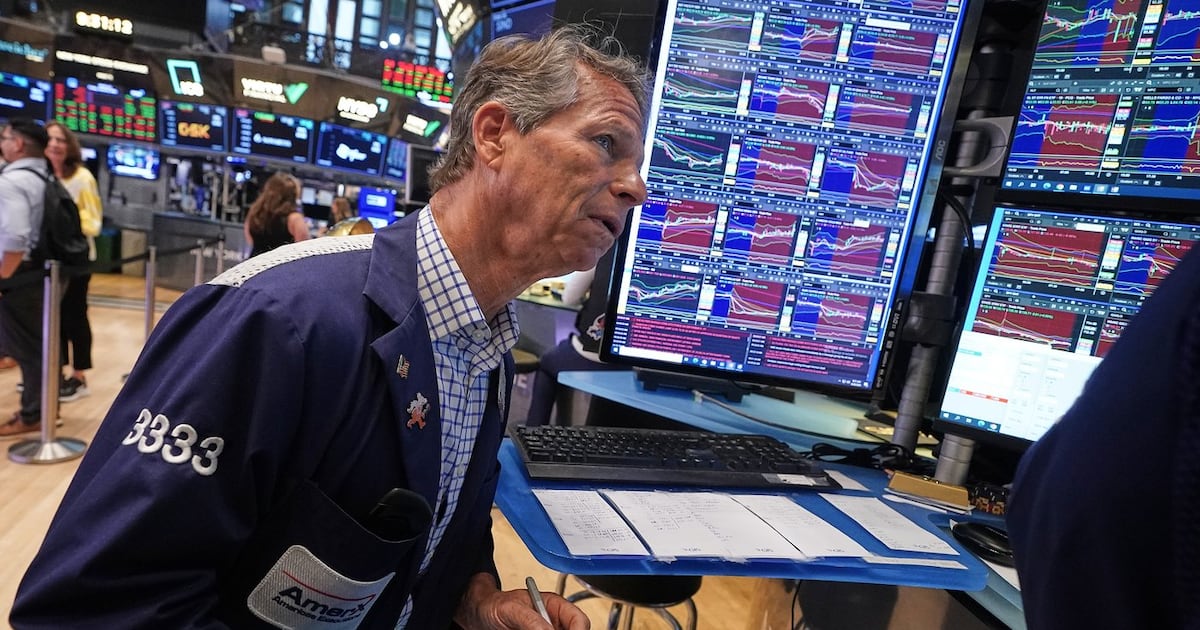
President Trump declared the Iran ceasefire framework over, sending oil prices surging 8% and pushing the dollar to a week-long high on safe-haven demand, according to CTV News. The S&P 500 fell 1.6% and the Dow dropped 800 points as traders scrambled to price in renewed conflict risk.
Brent crude climbed roughly 6% after Trump's announcement, with prices touching around $75.89 a barrel. U.S. Treasury yields also rose, with the 10-year note hitting about 4.60%, as markets braced for higher energy costs and a prolonged standoff with Tehran.
Trump Kills Iran Deal, Markets React Violently
Trump made the announcement at a NATO gathering in Turkey, declaring the provisional Iran framework finished. Within hours, reports emerged of Iranian attacks on U.S. facilities in the region. That one-two punch sent investors rushing into dollars and out of stocks, according to Springfield News-Sun.
The Dow shed 800 points in a single session. The S&P 500 dropped 1.6%. Safe-haven assets surged. The dollar index climbed to its strongest level in weeks as traders priced in a prolonged conflict with no clear off-ramp.
Strait of Hormuz Shipping Disruptions Rattle Oil Supply
Iran struck back by tightening control over a critical global shipping lane. About four oil and gas tankers chose not to transit the Strait of Hormuz — or were forced to turn around — after Tehran declared that the only safe route is the one it designates. The Strait carries roughly 20% of the world's oil supply.
Analysts warned that oil prices could press toward or beyond $80 a barrel if the standoff holds. The interim ceasefire is set to expire in mid-August. Disputes over transit fees through the Strait remain a key flashpoint shaping both oil prices and broader market sentiment.
Energy Stocks Surge, But Not Everyone Benefits
Renewed sanctions on Tehran and fresh U.S. strikes on Iran drove across-the-board gains in oil-linked assets. Yet not every energy stock moved in lockstep. Battalion Oil (BATL) shares actually slipped despite the spike in crude prices, according to Invezz. The company faces company-specific risks that decoupled it from the broader rally.
That divergence highlights a key point for investors. A rise in oil prices does not automatically lift every energy stock. Debt loads, production costs, and hedging positions all matter. Traders watching the sector should look beyond the headline crude number.
New Zealand Rate Hike Adds to Global Market Pressure
Away from the Middle East, New Zealand's central bank moved to raise rates by 25 basis points, bringing its benchmark to 2.5%. The kiwi rallied after the decision. Officials signaled that more tightening is likely, adding another layer of pressure to an already stressed global market, according to The Reflector.
The hike came at a delicate moment. Traders were already juggling inflation fears, rising U.S. Treasury yields at 4.24% on the 2-year note, and escalating geopolitical risk. Bitcoin and other risk assets posted mixed moves as investors struggled to find a clear direction in a fast-moving environment.
Sentiment
Mostly NegativeNEGATIVENEUTRALPOSITIVE
Publishers
13
Articles
143
Reach
156
A
AnonymousAuthor


