Dollar Strength, Oil Rise
US Dollar Gains Strength as Mideast Conflict Intensifies, Pushing Oil to $90
Anonymous
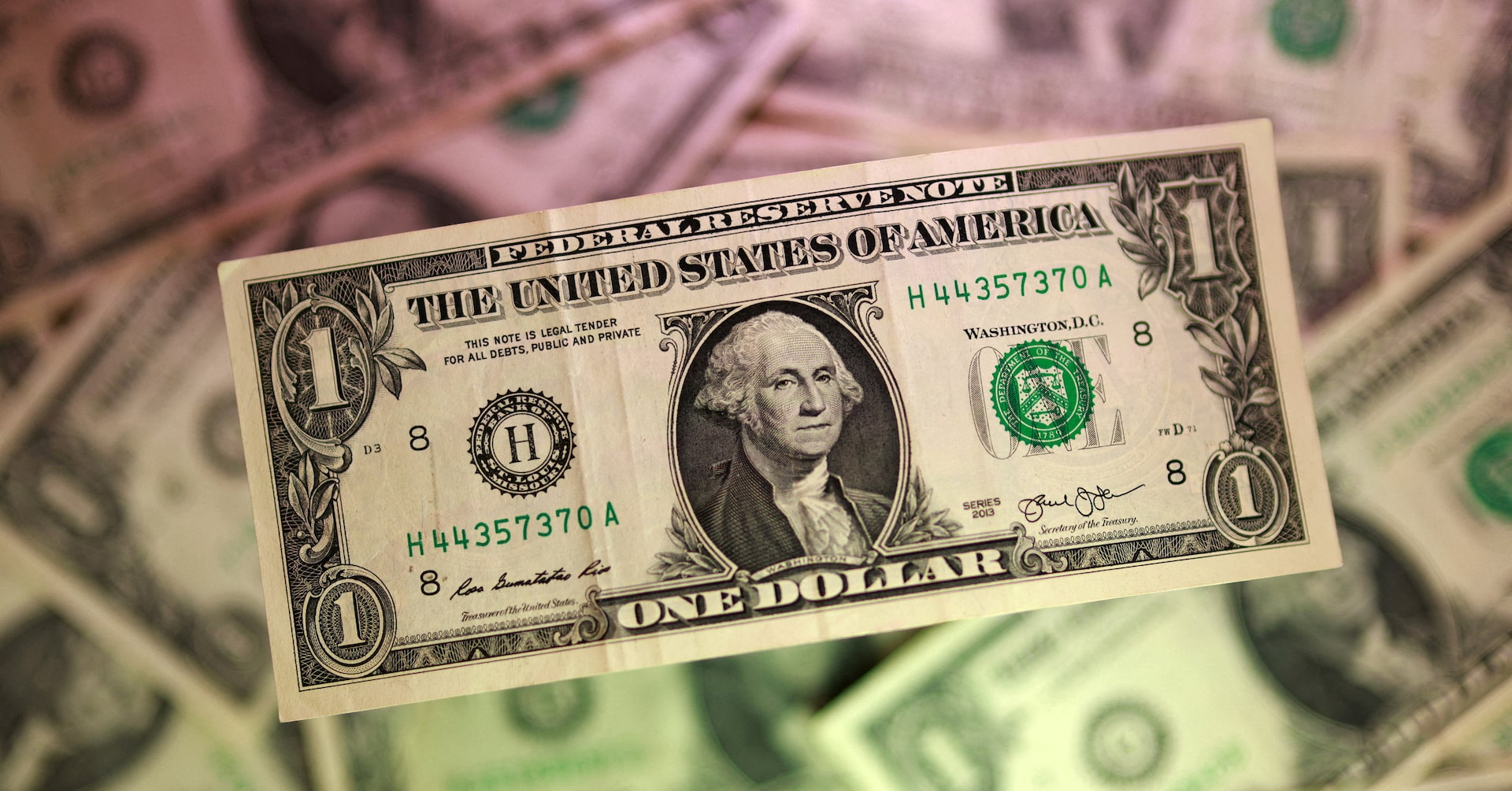
The US dollar edged higher against most major currencies on Monday as the US-Iran conflict deepened and Brent crude oil climbed to $90 a barrel, rattling investor confidence worldwide. Reuters reported the dollar rose 0.1% to 162.48 yen, its strongest level since July 9, as traders rushed toward safe-haven assets.
Risk appetite took a hit from two directions at once. Rising Middle East tensions pushed oil prices higher, while fresh concerns over semiconductor valuations added pressure on markets already on edge.
Dollar Climbs as Middle East Conflict Sends Shockwaves
The US dollar gained ground against nearly every major currency as the US-Iran conflict escalated. According to Star Telegram, the euro slipped 0.01% and the British pound held flat at $1.3445. The Australian dollar fell 0.2% to $0.6975, while the New Zealand dollar dropped 0.3%. Investors moved into the dollar as a safe bet during times of stress.
The yen move was the most notable. A rise to 162.48 yen per dollar signals that markets are pricing in real risk. When tensions rise, traders tend to buy dollars and sell currencies tied to growth and trade, like the Australian and New Zealand dollars.
Brent Crude Hits $90 as Oil Supply Fears Grow
Brent crude oil hit $90 a barrel as the Middle East conflict raised fears about oil supply disruptions. The region is a critical hub for global energy. Any sign of broader conflict puts pressure on oil shipments, which directly pushes prices higher at the pump and in markets worldwide.
Higher oil prices hurt risk appetite across global markets. When energy costs rise, businesses face higher costs and consumers spend less. That combination makes investors nervous, leading them to sell riskier assets and move into safe havens like the US dollar.
Chip Stock Worries Add a Second Hit to Risk Appetite
The Middle East conflict was not the only thing weighing on markets. Concerns about high valuations in semiconductor stocks also dented investor confidence. Chip stocks have surged in recent years, driven by artificial intelligence demand. But questions are growing about whether those prices can hold up.
The two pressures — geopolitical risk and tech sector jitters — combined to keep markets cautious. When investors face uncertainty on multiple fronts at once, the safest move is often to pull back and wait. That behavior tends to lift the dollar further, as it did on Monday.
Fed Expected to Hold Rates Steady at July 29 Meeting
Despite the market turbulence, traders are not expecting the Federal Reserve to act. Markets are pricing in an 85.6% probability that the Fed holds interest rates unchanged at its July 29 meeting, according to Reuters. That means no rate cut or hike — just a wait-and-see approach.
The Fed tends to hold steady when the outlook is unclear. Right now, inflation data, a tense geopolitical situation, and shaky tech stocks all make it hard to predict where the economy is heading. Until the picture gets clearer, the central bank is likely to sit tight.
Sentiment
NeutralNEGATIVENEUTRALPOSITIVE
Publishers
4
Articles
4
Reach
4
A
AnonymousAuthor


