COVID-19 Cancer Research
Scientists Investigate How COVID-19 and Viral Infections May Accelerate Cancer Development
Anonymous
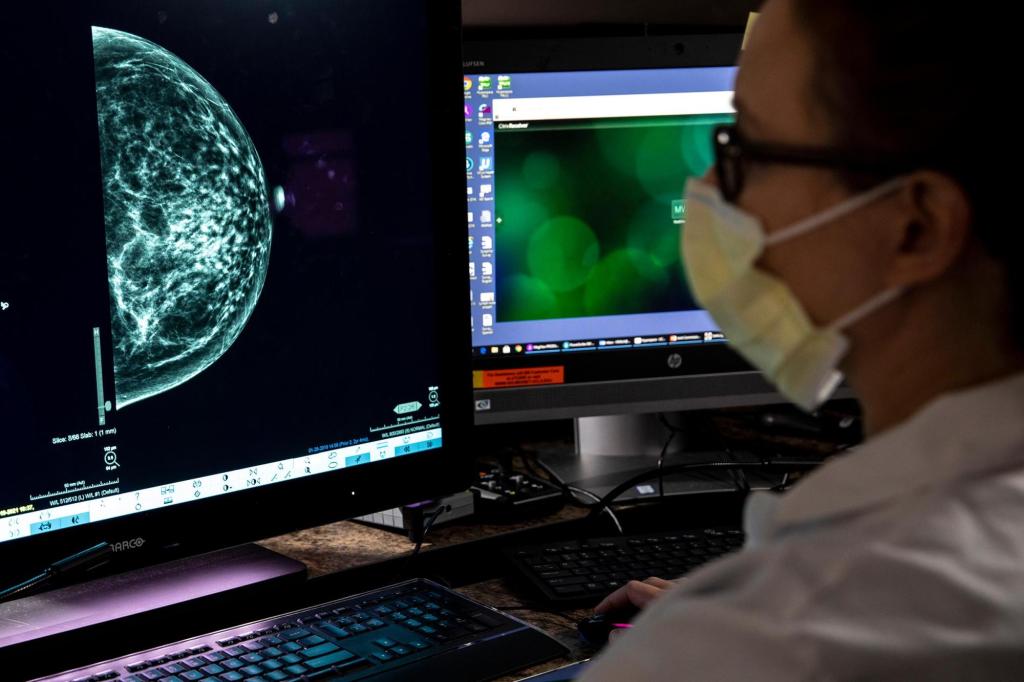
New research suggests that COVID-19 may help dormant cancer cells wake up and grow into aggressive tumors. Scientists at the University of Colorado Anschutz lab found that lab mice with hidden breast cancer cells were significantly more likely to develop lung tumors after being infected with SARS-CoV-2 or influenza, according to Press Democrat.
A separate analysis of U.K. Biobank records found that cancer survivors who caught COVID in 2020 — before vaccines existed — were significantly more likely to die from recurring cancer than those who avoided the virus, Boston Herald reported. Doctors are careful to note that COVID is not a cancer-causing virus, but the findings are pushing scientists to rethink how infections interact with cancer biology.
Dormant Cancer Cells Awakened by Viral Infection
Researcher James DeGregori and his team at the University of Colorado set up a striking experiment. They infected mice that carried dormant breast cancer cells with either influenza or SARS-CoV-2. The result: those mice were far more likely to develop aggressive lung tumors than uninfected mice, according to Sun Sentinel.
The key idea is that a viral infection changes the environment inside the body. Normally, the immune system keeps dormant cancer cells in check. But when a serious infection hits, that balance can shift. Inflammation and immune disruption may give hidden cancer cells the opening they need to grow, Daily Camera reported.
UK Biobank Data Links Early COVID to Cancer Deaths
The U.K. Biobank holds health records for hundreds of thousands of people. Researchers combed through those records and focused on cancer survivors who got COVID in 2020. That group — exposed to the virus before any vaccine was available — showed a significantly higher rate of dying from recurring cancer compared to survivors who did not get infected, according to Courant.
The 2020 timing matters. The original COVID strain hit an unprotected population hard. Survivors faced prolonged immune stress. Scientists believe that stress may have created conditions where cancer cells that had been dormant for years were able to start growing again, Morning Journal reported.
COVID Is Not a Cancer-Causing Virus — But the Link Is Real
Scientists are drawing a careful line. There is not enough evidence to call COVID oncogenic — meaning a virus that directly causes cancer by altering DNA. Viruses like HPV and hepatitis B do that. COVID appears to work differently, Pilot Online reported. Instead of causing cancer, it may accelerate cancer that was already hiding in the body.
This distinction matters for treatment and monitoring. Doctors have long noticed that some patients develop or worsen health problems after viral infections like flu or pneumonia. COVID is now pushing researchers to study these "post-viral syndromes" more seriously, EP Trail reported. The goal is to understand who is most at risk and why.
What This Means for Cancer Survivors Going Forward
The findings raise urgent questions for the estimated 18 million cancer survivors in the United States alone. Should they be monitored more closely after a COVID infection? Should doctors screen for recurring cancer sooner? Researchers say the data is still early but the signal is strong enough to take seriously, according to News Herald.
DeGregori's lab is continuing its work to understand exactly how viral infections flip the switch on dormant cancer cells. The broader hope is that this research could one day lead to treatments that stop that process before tumors have a chance to grow, Journal Advocate reported.
Sentiment
NeutralNEGATIVENEUTRALPOSITIVE
Publishers
11
Articles
10
Reach
11
A
AnonymousAuthor


