Lung Cancer Research Updates
Recent lung cancer research highlights screening gaps, genetic risks, and treatment advances.
Anonymous
Recent lung cancer research spans screening access, diagnosis and treatment. Only about 15% of eligible U.S. adults said they had discussed screening with a health professional in the past year, with communication gaps linked to race, insurance and other social barriers; a Thomas Jefferson University study found that adding mammogram reminders during lung-screening visits could help increase breast screening among women at elevated risk for both cancers. In Brazil, a mobile low-dose CT program screened more than 2,000 people in underserved communities and detected lung cancer in 0.94% of participants, while community health workers helped reach rural and less-educated residents; BioAffinity Technologies also presented clinical and veteran-focused data on its CyPath Lung diagnostic. New research found that inherited EGFR T790M was associated with roughly 25 times higher odds of lung cancer, suggesting genetic risk could eventually inform screening, while advances in genetic testing and targeted therapies are improving treatment for some patients despite overall five-year survival of about 30%. Other studies reported sex-specific effects of calcium alpha-ketoglutarate in mice and found pharmacist-led medication reviews reduced inappropriate prescribing and other medication problems among older cancer patients in rehabilitation.
Key Points
1
The EGFR T790M study analyzed genetic data from 3.3 million people; carriers had higher odds of lung cancer but no evidence of increased risk for the other 17 cancers examined.
2
Researchers said Ca-αKG’s effects may arise through epigenetic changes that influence gene activity, rather than by altering cancer cells’ basic energy metabolism.
3
In the medication-review trial of 443 older adults with cancer, potentially inappropriate prescriptions affected 29.9% of the review group, compared with 70.8% receiving usual care; the review also prompted recommendations for 337 missing vaccinations.
4
Although overall five-year lung cancer survival remains about 30%, survival for localized disease was 67% between 2015 and 2021, underscoring how strongly outcomes differ by stage.
5
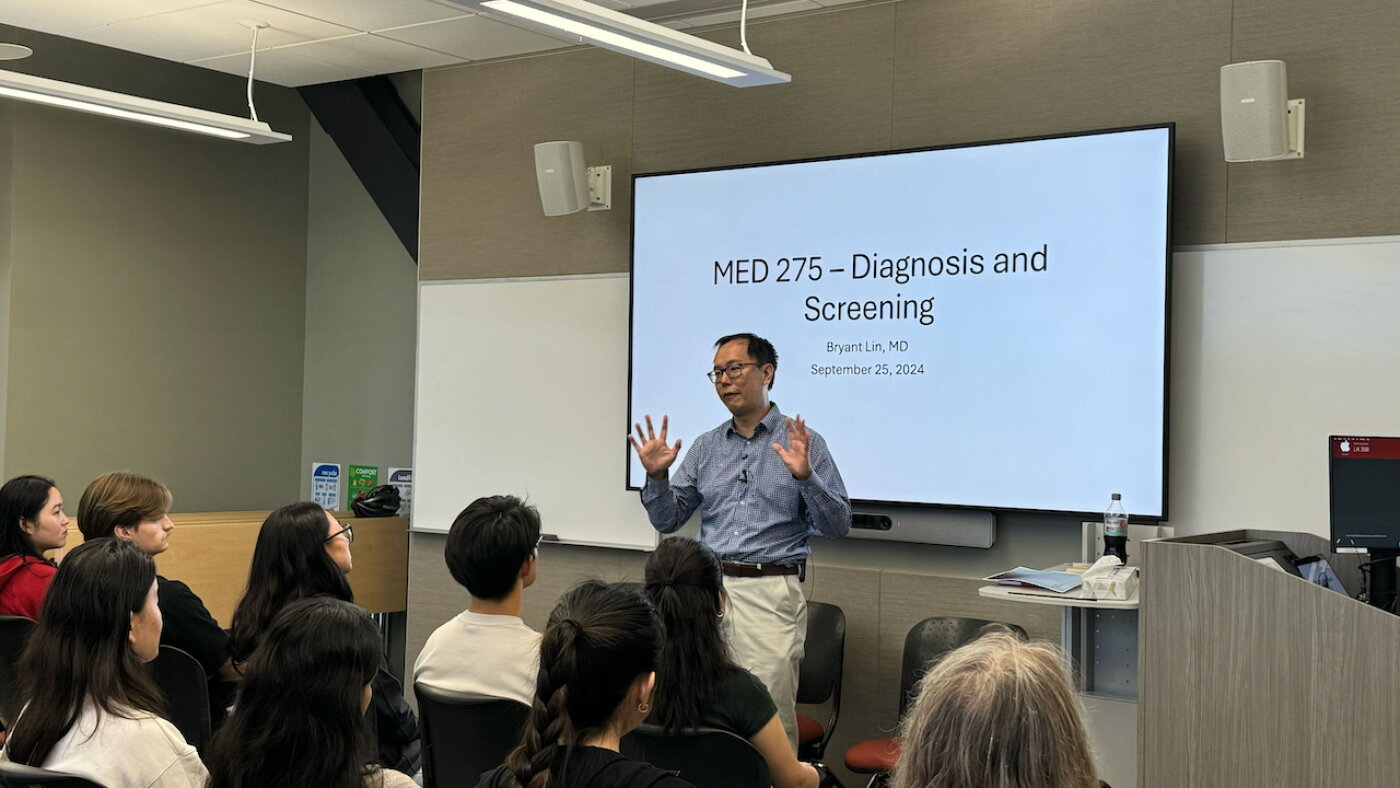
Stanford professor Bryant Lin, a nonsmoker diagnosed with stage IV lung cancer, said he hopes that if the disease cannot be cured, treatment can make it a chronic condition.
Sentiment
Mostly PositiveNEGATIVENEUTRALPOSITIVE
Publishers
16
Articles
17
Reach
33
A
AnonymousAuthor


