Kremlin Punishes Dissent
Russian Opposition Leader Lev Shlosberg Sentenced to 11 Years in Wartime Dissent Crackdown
Key Points
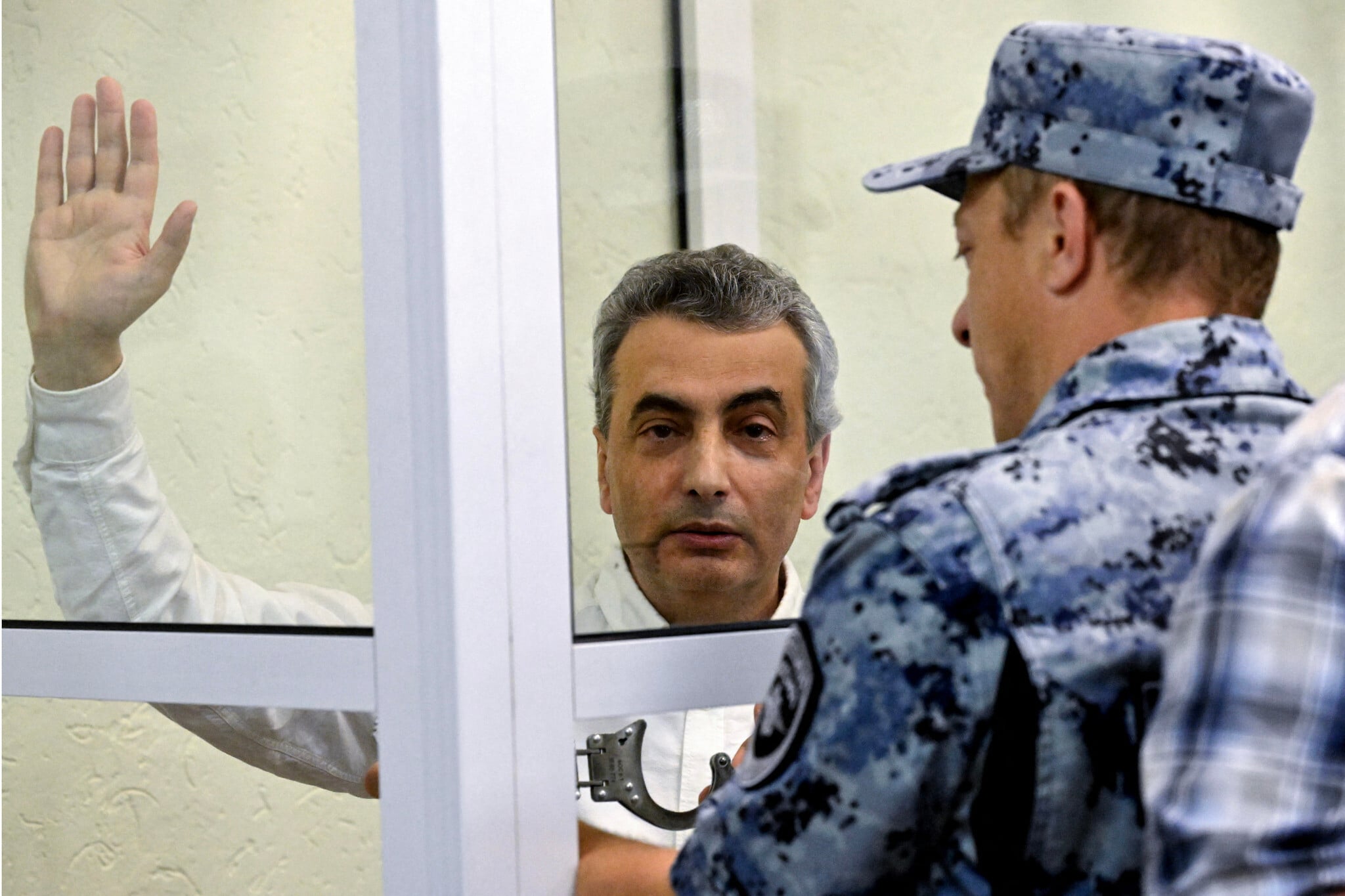
Presiding judge Viktoria Maljamowa handed down the verdict, sentencing Lev Shlosberg to 11 years and 1 month in a penal colony, just short of the prosecution's request for 12 years.
Yabloko leaders Nikolai Rybakov and Grigory Yavlinsky condemned the ruling as a 'tragedy' signaling the collapse of modern Russian justice and said the party would pursue all lawful avenues to challenge the prosecution.
The sentence combines near-maximum wartime penalties with a prior November 2025 conviction for violating Russia's foreign agents law (420 hours of community service), illustrating how dissent is being punished across different legal regimes.
The 'dissemination of deliberately false information about the Armed Forces' charge references a February 2022 Telegram post that Shlosberg had reshared—content he argues predates Russia's wartime censorship laws.
Amnesty International characterized the case as an arbitrary reprisal for exercising anti-war expression, calling for Shlosberg's immediate release and urging repeal of laws criminalizing peaceful anti-war speech, alongside noting Yabloko's disqualification from the September elections.
A court in Pskov, Russia sentenced veteran opposition figure Lev Shlosberg to 11 years and one month in a penal colony on charges of discrediting the Russian armed forces and spreading false information about the military, according to Times of Israel. The 63-year-old deputy chair of the liberal Yabloko party was convicted over anti-war posts, including a February 2022 Telegram message he had reshared — content he says predates Russia's wartime censorship laws.
The sentence fell just short of prosecutors' demand for 12 years. Critics called it a deliberate move to silence one of Russia's most prominent remaining anti-war voices, according to EU Today.
Judge Hands Down Near-Maximum Wartime Penalty
Presiding judge Viktoria Maljamowa issued the verdict in Pskov, northwestern Russia. Shlosberg was convicted on two charges: discrediting the Russian armed forces and disseminating deliberately false information about the military, according to Freedom 96.9. Prosecutors had asked for 12 years. The judge gave him 11 years and one month.
The conviction is not Shlosberg's first brush with Russian law. In November 2025, he was found guilty of violating Russia's foreign agents law and sentenced to 420 hours of community service, according to EU Alive. Critics say the two prosecutions together show how Russian authorities are layering different legal tools to punish dissent.
A Telegram Post From 2022 at the Heart of the Case
The core of the criminal case rested on a Telegram post from February 2022 that Shlosberg reshared. He argued the post predates the laws Russia used to charge him, according to Taylorville Daily News. Shlosberg maintained his innocence throughout the trial. He told the court that prosecutors had not attacked him — they had attacked Russian law itself.
Observers flagged procedural problems during the trial. The near-maximum sentence, combined with a prior conviction, suggested to critics that the legal process was being used as a political tool rather than a fair judicial one, according to EU Today.
Yabloko Leaders Call Verdict a Collapse of Russian Justice
Yabloko party chairman Nikolai Rybakov and founder Grigory Yavlinsky condemned the ruling as a 'tragedy.' They said it marked the collapse of modern Russian justice, according to EU Alive. The party vowed to pursue every lawful avenue to challenge the prosecution. The verdict comes as Yabloko has already been barred from competing in Russia's September elections.
Amnesty International called the case an arbitrary reprisal for expressing anti-war views. The group urged Shlosberg's immediate release and called for the repeal of all laws criminalizing peaceful anti-war speech, according to Taylorville Daily News.
Shlosberg's Case Reflects Wider Crackdown on Anti-War Voices
Shlosberg had long spoken out against Russia's military actions in Ukraine. He is one of only a handful of opposition politicians who chose to stay inside Russia rather than flee. His prosecution is part of a broader Kremlin push against critics, according to Freedom 96.9. Hundreds of Russians have faced charges under the same wartime censorship laws since 2022.
The case sends a clear signal to anyone still inside Russia who opposes the war, according to Times of Israel. With Yabloko blocked from elections and its deputy chair now facing over a decade in prison, opposition political activity in Russia has been nearly eliminated.
Sentiment
Mostly NegativePublishers
18
Articles
38
Reach
56


