Waymo's Driverless Expansion
Waymo Accelerates Driverless Expansion to Four New Cities, Leveraging Advanced AI Amid Regulatory Scrutiny
Key Points
Waymo is pursuing monetization through partnerships with local governments and mobility providers to deploy its AI platform for last-mile delivery and fleet management, including potential revenue streams beyond passenger services; the rollout also highlights the need to optimize edge AI processing to manage high compute costs on vehicles.
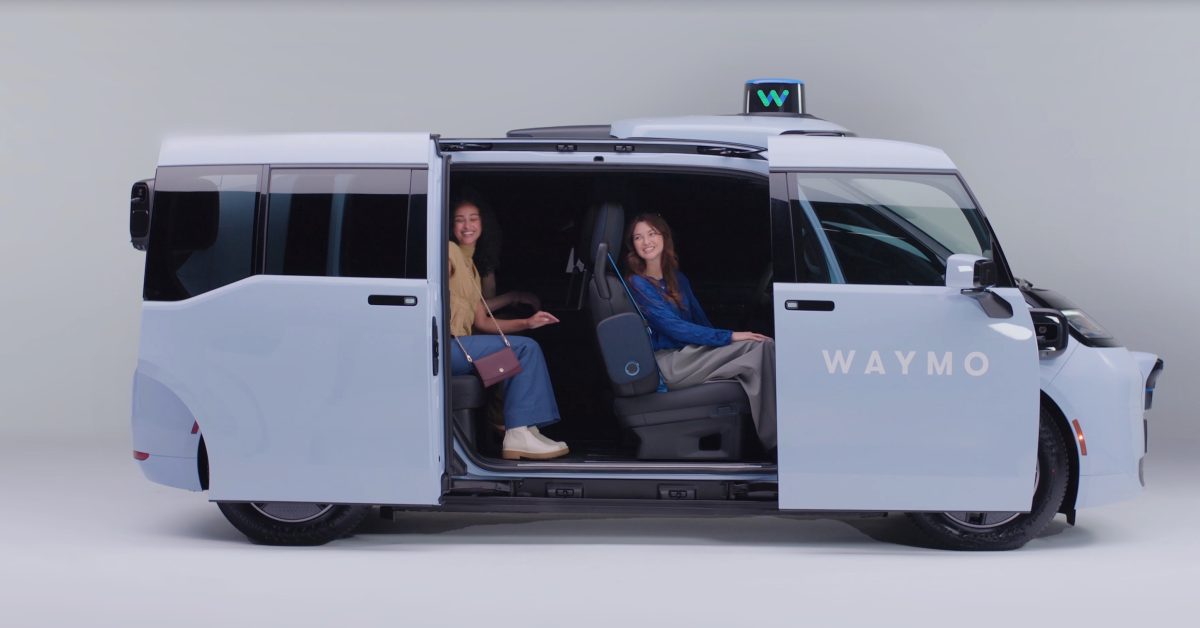
In Las Vegas, Waymo's Ojai vehicle will feature elevator-like doors, an expansive cabin, and digital personalization options, representing a notable upgrade in passenger experience.
The Verge notes that Waymo is testing Hyundai Ioniq 5 safety-focused vehicles in the rollout, with a safety specialist present, though there is no timeline yet for when they join the robotaxi fleet.
Waymo's autonomous systems have been refined through millions of autonomous miles, enabling real-time object detection, lidar fusion, and predictive path planning that support safe operation without human oversight in the newly launched cities.
Waymo is going driverless in four new cities — Las Vegas, San Diego, Denver, and Tampa — marking the biggest expansion yet for the autonomous ride company. Electrek reported that Las Vegas is already running fully driverless, with the other three cities following close behind.
The rollout starts with employee-only rides. A safety specialist rides along during early tests. Public access will come later, once Waymo hits key testing milestones in each city.
Las Vegas Goes Fully Driverless First
Las Vegas is the furthest along. Electrek confirmed that Waymo vehicles are already operating there without any human driver. The company is using its new Ojai vehicle for the launch. It features elevator-style doors, a larger cabin, and digital personalization options for passengers.
News3LV reported that Las Vegas rides are currently limited to Waymo employees. The goal is to build trust and gather real-world data before opening to the public. No exact public launch date has been set yet.
San Diego and Denver Begin Driverless Testing Phases
In San Diego, Waymo has moved into driverless testing using its Zeekr RT minivans. Sacramento Bee reported that rides are limited to select areas for now, with employees riding before the public gets access. The city represents a new climate and traffic environment for Waymo to learn from.
Denver is a bigger test. It will be Waymo's first city with winter conditions — snow, ice, and cold temperatures. Gazette reported that Waymo is ready to drive in Denver without a human, but public booking is not available yet. The company must hit safety benchmarks before opening rides to everyone.
Hyundai Ioniq 5 Tests Add a New Vehicle to the Mix
Waymo is also testing Hyundai Ioniq 5 vehicles as part of this expansion. A safety specialist sits inside during these rides. Electrek noted there is no timeline yet for when the Ioniq 5 joins the full robotaxi fleet. For now, it remains in an early testing phase alongside the Ojai and Zeekr vehicles.
The multi-vehicle approach lets Waymo test different car types across different cities. Each vehicle uses lidar, cameras, and radar together to detect objects and plan safe routes in real time. The goal is to cut response times and handle complex intersections and pedestrian crossings more reliably.
Regulators, Rivals, and the Road to Scaling Up
Expanding into four cities at once brings real challenges. Each city has its own permit rules, insurance requirements, and local regulators to work with. Waymo is using a phased approach — starting with employees, then the public — to build trust with local governments and communities before going broad.
Competition is also heating up. Cruise, Tesla, and Zoox are all racing to scale autonomous ride services. Waymo points to millions of autonomous miles already driven as proof of its safety edge. The company is also exploring revenue beyond rides, including last-mile delivery and fleet management partnerships with local governments.
Sentiment
Mostly NegativePublishers
18
Articles
17
Reach
35


