Global Tensions Drive Fuel Prices
Philippine Fuel Prices Rise Significantly Driven by Geopolitical Tensions
Key Points
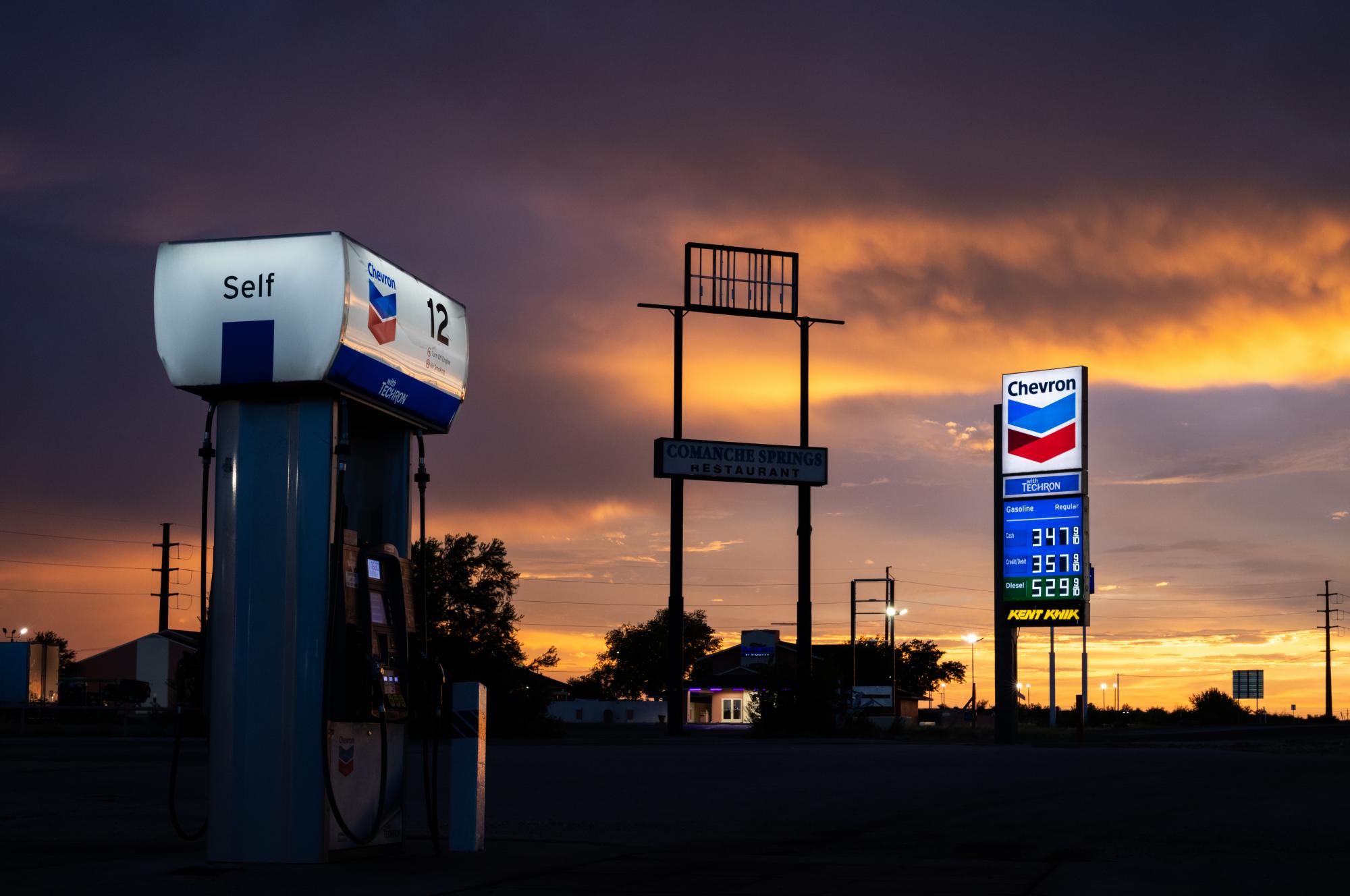
In August, U.S. gasoline prices reached record highs for the month, with the national average at about $4.06 per gallon and California and Hawaii around $5.50 per gallon, reflecting sustained pressure from the US‑Iran conflict and potential disruptions in key shipping routes like the Strait of Hormuz.
Diplomatic tensions spilled into the news cycle as Donald Trump threatened to bomb Oman if it interferes, and the 60‑day diplomatic deadline to end the US‑Iran nuclear dispute passed without a final agreement.
GasBuddy data showed the national average rising to about $4.02 per gallon, with South Carolina up 8.2 cents to $3.56; analysts attributed the uptick to the Strait of Hormuz closure and Ukrainian attacks on Russian oil refineries keeping upward pressure on prices.
The International Energy Agency recently cut its global oil-supply forecast due to ongoing disruptions in the Middle East, underscoring how geopolitical tensions are shaping the energy outlook.
Starting August 18, Filipino drivers will pay sharply more at the pump. The Department of Energy announced gasoline will rise ₱2.49 per liter, diesel ₱3.84, and kerosene ₱5.01 — reversing two weeks of price rollbacks. The hikes follow the collapse of a U.S.–Iran ceasefire, a lapsed diplomatic deadline, and President Trump threatening to bomb Oman over oil route negotiations.
The crisis is global. The Guardian reported U.S. gasoline prices hit the highest level ever recorded for August, with the national average at $4.06 per gallon — up from roughly $3.15 a year ago. California and Hawaii saw prices near $5.50 per gallon. Both the Philippines and the U.S. are feeling the same pressure: a world short on oil and short on peace.
Philippines DOE Posts Steepest Hike in Months
The Philippine Department of Energy set new pump price caps for August 18–24. Gasoline will average ₱81.79 per liter. Diesel will hit ₱92.92 per liter. Energy Secretary Sharon Garin blamed the reversal on stalled U.S.–Iran talks. "Diplomatic efforts between the United States and Iran slowed, bringing uncertainty to the international oil market," she said at an August 17 press briefing.
Undersecretary Alessandro Sales added that refined diesel had surged to $160 a barrel — nearly double the price of crude. He said future hikes would not top ₱20 per liter. To soften the blow, the government is offering a ₱12-per-liter discount for public utility vehicles. The country has about 58 days of total fuel supply on hand, with kerosene reserves lasting over 164 days.
Expired Ceasefire and Trump's Oman Threat Rattle Oil Markets
The 60-day Islamabad peace deal between the U.S. and Iran expired August 17 without a final agreement. Iran and Oman said they had agreed on a transit route map to reopen the Strait of Hormuz. But hours later, Trump told Fox News: "If Oman gets in the way, we'll bomb the s--- out of them." That single statement erased any market optimism the Iran–Oman talks had created.
The Strait of Hormuz is the world's most important oil chokepoint. Before the crisis, about 16.7 million barrels of oil passed through it every day. The U.S.–Iran conflict cut that flow to a fraction. Natural Gas Intel noted that hopes of a peace deal fading have kept natural gas and crude prices climbing well above where they stood before the conflict began.
Ukrainian Drone Strikes on Russia Add to Global Supply Crunch
On top of Middle East chaos, Ukraine has destroyed nearly 40% of Russia's oil refining capacity with long-range drone strikes. The largest attack came August 16, hitting Russian warehouses and energy facilities. GasBuddy's Patrick De Haan said: "Continued Ukrainian attacks on Russian oil infrastructure are driving refined product prices higher as output plummets, keeping upward pressure on what Americans pay at the pump."
The International Energy Agency cut its global oil supply forecast for Q3 2026 by 1.7 million barrels per day. The IEA warned that world oil stockpiles have fallen below 7.9 billion barrels and are "rapidly depleting." The Guardian reported the U.S. national gas average also climbed to about $4.02 per gallon in GasBuddy data, with South Carolina up 8.2 cents in a single week to $3.56.
Philippines Eyes Strategic Reserves as Peso Worsens the Pain
The Philippines imports nearly all of its petroleum. That means every jump in global crude prices hits Filipino consumers twice — once through higher oil costs, and again through a weaker Philippine Peso against the U.S. dollar. American households have also felt the strain. The U.S. Joint Economic Committee estimated families have spent an average of $477 more on fuel over six months of conflict.
To reduce long-term vulnerability, Energy Secretary Garin announced plans to build at least one 1-million-barrel strategic petroleum storage tank by the end of 2027. It would be the Philippines' first strategic reserve of its kind. For now, officials say the 58-day supply buffer is healthy and urged the public not to panic-buy — though the next weekly price review arrives August 25.
Sentiment
Mostly NegativePublishers
34
Articles
32
Reach
66