Zaporizhzhia Nuclear Attack
Deadly drone attack at Zaporizhzhia nuclear plant bus stop raises urgent safety concerns.
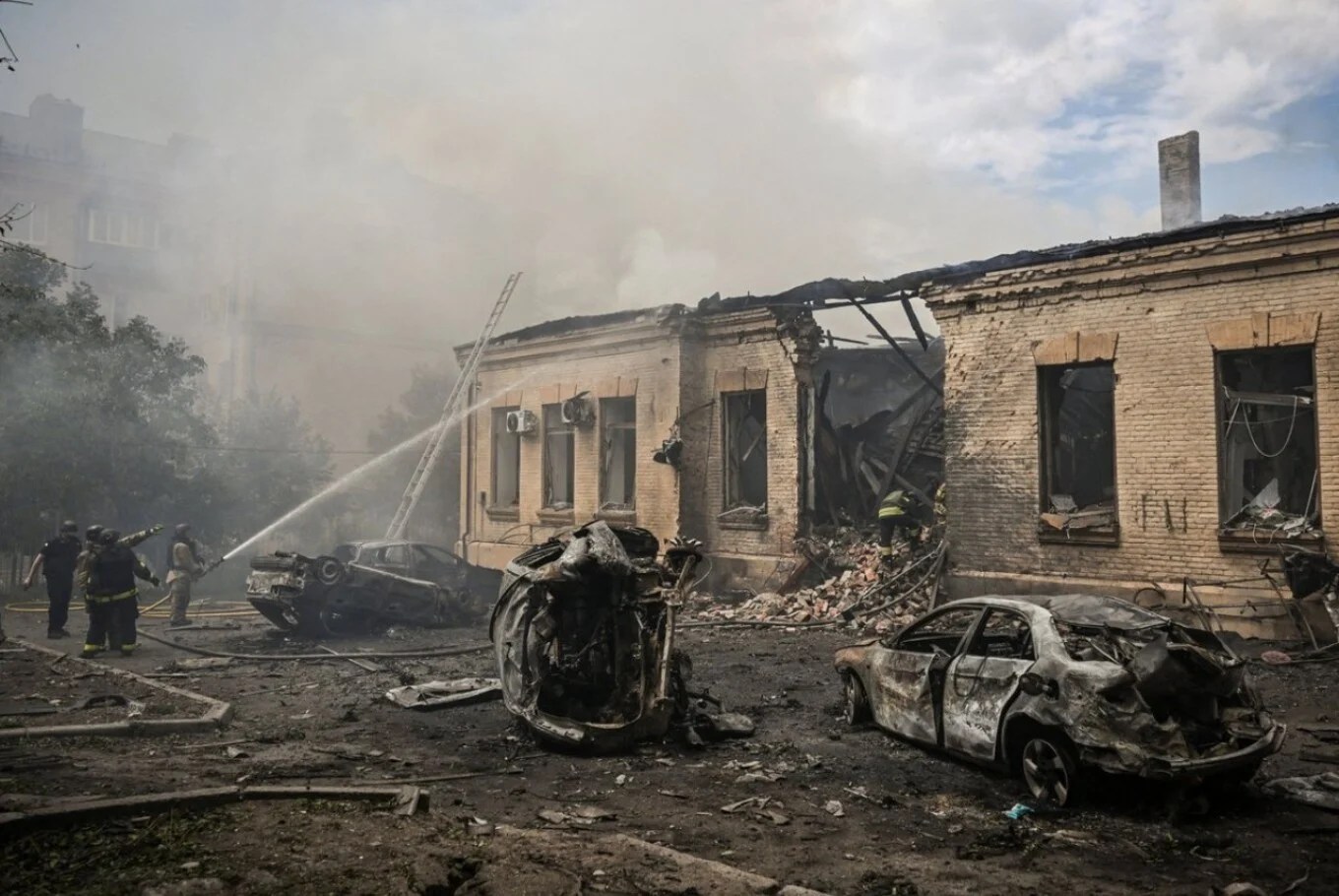
Key Points
The blast occurred around 06:00 local time, with a drone exploding at a bus stop where staff were travelling to the Zaporizhzhia NPP.
Zaporizhzhia is Europe’s largest nuclear power plant and comprises six reactors, underscoring the scale of the facility at the center of the conflict.
Water infrastructure at the site has faced disruptions, with July reports indicating interruptions to water supplies serving parts of the plant.
The attack occurred at a bus stop used by staff traveling to the Zaporizhzhia NPP, highlighting risks to workers and daily operations near the facility amid the conflict.
A drone exploded at a bus stop near Ukraine's Zaporizhzhia nuclear power plant early Monday, killing one person and wounding 16 others, including three in serious condition, according to The Frontier Post. The blast struck around 06:00 local time, when workers and subcontractors were boarding buses to head to the plant.
The International Atomic Energy Agency confirmed the attack and described it as a direct strike on nuclear plant personnel. The plant's director called it the worst incident the facility has faced since Russia seized it in the early weeks of the 2022 invasion, according to The Deep Dive.
Drone Strike Hits Workers at Shift Change
The explosion happened at a bus stop where staff were gathering for the morning shift. Zaporizhzhia is Europe's largest nuclear plant, housing six reactors. A strike at shift change — when large numbers of workers are in one place — maximizes risk to personnel, according to Perth Now.
Of the 16 casualties, three suffered serious injuries. The dead and wounded included both plant employees and subcontractors working at the site. No reactor damage has been confirmed, but IAEA monitors at the facility were shaken by the scale of the attack, according to Albeu.
IAEA Calls on Military Leaders to Stop Targeting Nuclear Sites
IAEA Director General Rafael Grossi responded swiftly. He called on military commanders from all sides to stop attacks on nuclear installations and the people who work at them. "The significant safety risks they pose" were his central concern, according to The Frontier Post.
The IAEA has had staff stationed at Zaporizhzhia for months to monitor safety. Grossi has repeatedly warned that any military strike near the plant's reactors could trigger a nuclear disaster. Monday's attack is the most deadly incident at the site since the occupation began, according to The Deep Dive.
Russia and Ukraine Trade Blame Over Nuclear Safety
Zaporizhzhia has been under Russian military control since March 2022. Both sides have accused each other of shelling and drone attacks near the plant throughout the war. Neither side has claimed responsibility for Monday's bus stop strike, according to Perth Now.
The plant has also faced water supply disruptions in recent months. Reports from July flagged interruptions to water systems that serve parts of the facility. Water is critical for cooling the reactors, and any long-term loss of supply raises serious safety concerns, according to Albeu.
Europe's Largest Nuclear Plant Remains a Conflict Flashpoint
With six reactors, Zaporizhzhia produces roughly one-fifth of Ukraine's electricity in normal times. The plant is now in cold shutdown, meaning the reactors are not generating power. But the spent nuclear fuel stored on site still needs constant cooling and monitoring, according to The Deep Dive.
Monday's strike adds to growing international concern. Analysts say even a non-reactor incident — like a drone killing key technicians — can degrade the plant's ability to stay safe over time. The IAEA has warned that the margin for error at Zaporizhzhia continues to shrink, according to Albeu.
Sentiment
Mostly NegativePublishers
17
Articles
129
Reach
146