Ceuta: Vulnerable Women Targeted
Ceuta migrant crisis worsens as women face sexual harassment amid severe overcrowding.
Key Points
Wafae Atid, a 28-year-old from Taza, described the danger: 'It's really bad ... A lot of guys are trying to attack the girls every night, sometimes just when you go to the toilet. They follow you.'
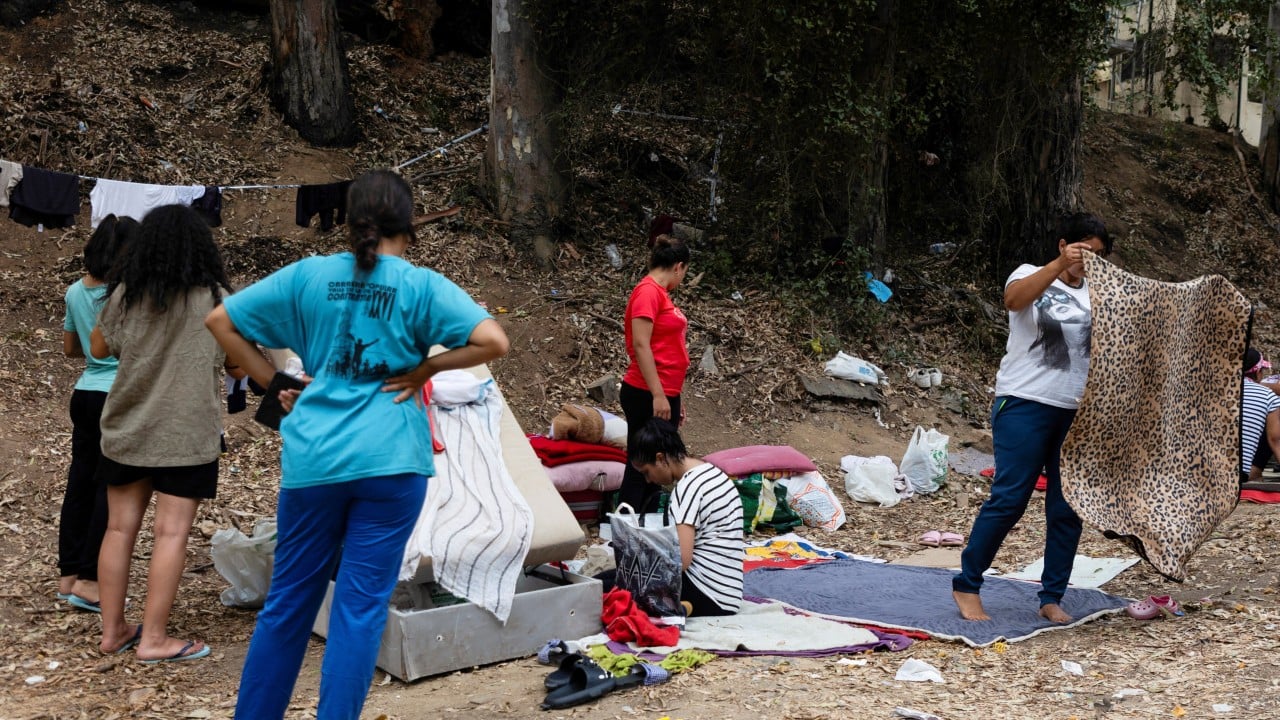
Makeshift camps for women are located on a wooded roadside leading up to the Ceuta reception centre's fence near the El Trampolin beach, with women sleeping in cardboard boxes, inflatable mattresses and blankets as they seek safety close to a police van.
Legal cases linked to the assaults include two victims who were minors—one allegedly sexually assaulted and forced to sell drugs, another indecently touched—with the accused jailed on remand; in a third case, an adult woman alleged indecent assault and deportation was ordered for the alleged assailant.
Spain’s police union reports 15 sexual assaults since July 30, with the majority of victims under 18; incidents have occurred mainly on the beach and in wooded zones where migrants are concentrated, and many cases may be difficult to prosecute due to the limited or generic information provided by victims.
Migrant women sleeping rough in Spain's North African enclave of Ceuta are being targeted for sexual harassment and assault while waiting to be registered at an overcrowded government reception center. Spain's police union reports at least 15 sexual assaults since July 30, with most victims under 18, according to South China Morning Post.
The main reception center is sheltering around 700 people — 200 more than its stated capacity. Between 5,000 and 8,000 migrants remain in the enclave as the border surge slows. Women and children are among the most vulnerable, forced to sleep outside on cardboard boxes and inflatable mattresses while they wait for protection, Market Screener reported.
Women Sleep Rough Near Police Vans for Safety
Makeshift camps for women have formed on a wooded roadside near the reception center's fence, close to El Trampolin beach. Women cluster near a police van at night, seeking protection in numbers. They sleep in cardboard boxes, on inflatable mattresses, and under blankets, according to Head Topics.
Wafae Atid, a 28-year-old from Taza, Morocco, described the nightly danger. "It's really bad," she said. "A lot of guys are trying to attack the girls every night, sometimes just when you go to the toilet. They follow you." Atid entered Ceuta on July 30 during the mass border crossing, according to The Chronicle.
At Least 15 Assaults Recorded, Many Victims Are Minors
Spain's police union, the SUP, has logged 15 sexual assaults since July 30. Most victims are under 18. Incidents have occurred mainly on the beach and in wooded areas where migrants are concentrated, according to Market Screener.
Three legal cases have already moved forward. In two cases, victims were minors — one was allegedly sexually assaulted and forced to sell drugs, another was indecently touched. The accused in both cases were jailed on remand. In a third case, an adult woman alleged indecent assault, and deportation was ordered for the alleged attacker. Prosecutors warn many cases may be hard to pursue because victims can only give limited information about their alleged assailants, South China Morning Post reported.
Overcrowded Center Pushes Authorities to Expand Facilities
The reception center was built for about 500 people but is now housing 700. Thousands more remain in the enclave waiting for registration. Authorities are working to expand capacity and set up a dedicated new center for sexual-assault victims, according to Head Topics.
Officials are also processing asylum applications and registering children as quickly as possible. But the gap between arrivals and available space has left many women without shelter or legal status for days. The situation highlights how the border surge has created serious protection failures for the most vulnerable migrants, The Chronicle reported.
Ceuta Crisis Still Unfolding Weeks After Border Surge
The mass crossing happened on July 30, when thousands of migrants entered Ceuta from Morocco. The surge has since slowed, but between 5,000 and 8,000 people are still in the enclave. While most arrivals have been young men, a significant number of women and children are also stuck waiting, according to Market Screener.
Women have begun organizing their own informal safety systems — gathering near police, watching out for each other, and avoiding isolated areas at night. Advocates and officials alike say formal protections must catch up fast. Until reception capacity grows and registration speeds up, women remain exposed to danger every night they spend outside, South China Morning Post reported.
Sentiment
Mostly NegativePublishers
12
Articles
85
Reach
97