Michigan Battery Production Surges
LG Energy Solution Opens Major Lansing Battery Plant, Powering North American EV and Storage Growth
Key Points
Lansing plant personnel and production scope: the facility currently employs about 900 people and is expected to grow to 1,700 at full-scale production, with capacity exceeding 35 GWh per year; it will manufacture batteries for energy storage customers such as DTE Energy and Consumers Energy, in addition to Toyota, and Lansing-made cells are sent to LG’s Holland plant for packaging into batteries.
Delta Township facility tied to a multibillion-dollar Tesla deal to supply Megapack 3 cells, with Megapack 3 systems produced in Houston; the project traces back to a March agreement and follows LG’s Ultium Cells JV history, after GM sold its stake in 2024.
Job growth and worker benefits: LG Energy Solution has announced 1,200 new jobs as part of a $1.7 billion regional investment; full-time roles offer strong benefits, including 100% company-paid health insurance and a 401(k) match, with starting wages of about $21/hour for operators and $25–$28/hour for technicians.
North American-centric expansion and capacity targets: LG Energy Solution aims to have more than 50 GWh of total LFP capacity in North America by end-2026 across five sites (Holland, Lansing, Windsor, plus two JV sites in Jeffersonville, Ohio and Spring Hill, Tennessee), and plans indicate roughly 80% of its global ESS capacity will be in North America by that period; Michigan investments exceed $5 billion since 2010 with a workforce projected to exceed 3,300 by 2026.
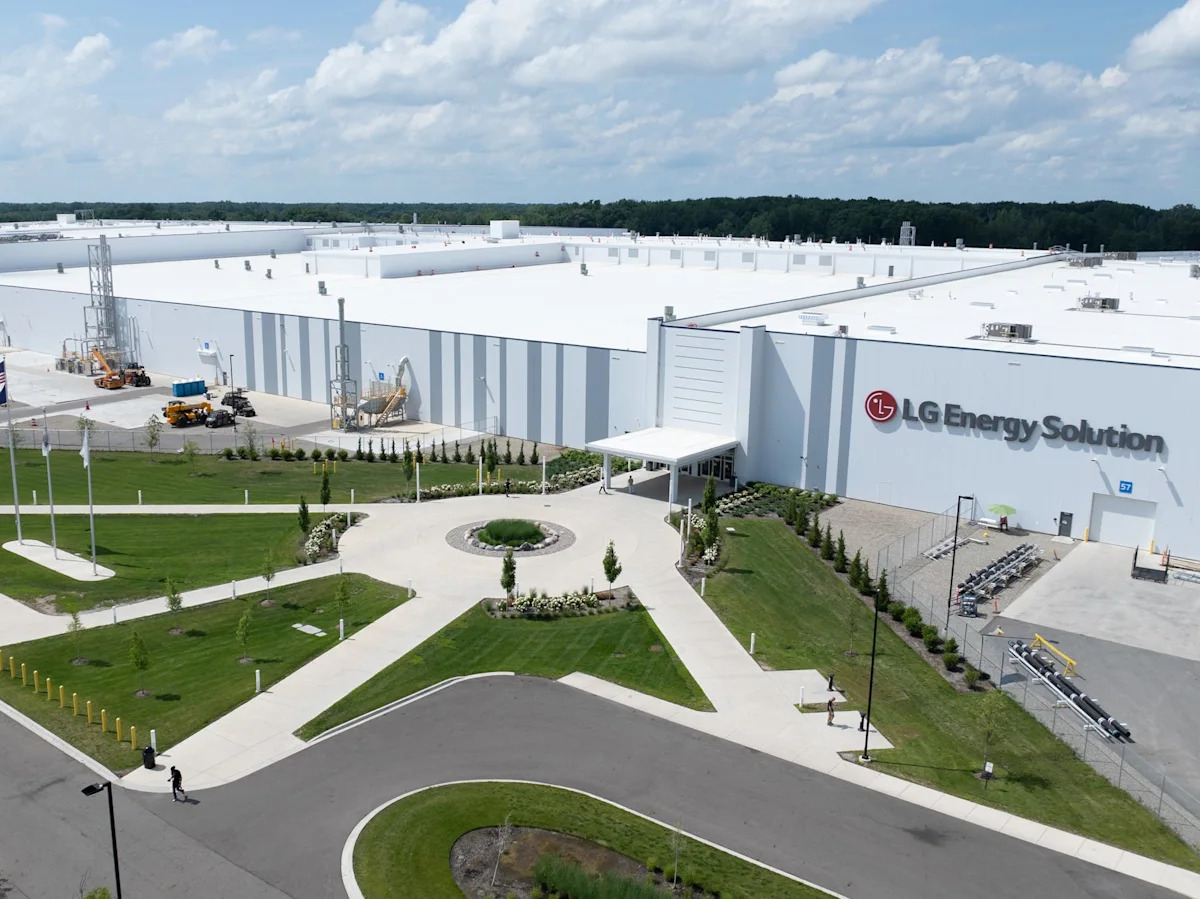
LG Energy Solution officially opened its $2.6 billion battery plant in Lansing, Michigan on August 18, 2026 — without its original partner, General Motors. Detroit Free Press reported that the facility now makes batteries for energy storage customers like DTE Energy and Consumers Energy, as well as for Toyota, after GM sold its stake in the Ultium Cells joint venture in 2024.
The plant currently employs about 900 workers and is expected to reach 1,700 jobs at full production. Annual capacity is set to exceed 35 gigawatt hours — enough to power hundreds of thousands of homes or vehicles. Solar Power World noted that the Lansing campus is now LG's second Michigan manufacturing site, joining an existing plant in Holland.
Tesla Megapack Deal Reshapes Plant's Purpose
The Lansing plant is central to a multibillion-dollar supply agreement with Tesla. LG will produce cells here for Tesla's Megapack 3 — a large-scale energy storage system assembled in Houston. The deal traces back to a March 2026 agreement and marks a major shift in who LG's biggest customer is. Yahoo Finance reported that the facility's products and clientele are now very different from what was originally planned when GM was involved.
Cells made in Lansing are also shipped to LG's Holland plant, where they are packaged into finished battery units. IndexBox noted the plant will supply batteries for both electric vehicles and energy storage systems, giving LG flexibility to serve multiple markets from a single campus.
1,200 New Jobs and Strong Pay Attract Michigan Workers
LG Energy Solution announced 1,200 new jobs tied to a $1.7 billion regional investment. Starting wages run about $21 per hour for operators and $25 to $28 per hour for technicians. Full-time workers get 100% company-paid health insurance and a 401(k) match. Detroit Free Press reported that Michigan leaders called the opening a major win for clean-energy manufacturing in the state.
Michigan's total investment from LG since 2010 now tops $5 billion. The company projects its Michigan workforce will exceed 3,300 employees by 2026. US Secretary of the Interior Doug Burgum attended the opening alongside LG CEO David Kim, signaling strong federal and state support for the project.
LG Bets Big on North America for Energy Storage
LG Energy Solution is moving fast to dominate the North American energy storage market. Solar Power World reported that roughly 80% of LG's global energy storage capacity will be based in North America by the end of 2026. The company is targeting more than 50 gigawatt hours of total LFP battery capacity across five sites in the region.
Those five sites include Holland and Lansing in Michigan, Windsor in Canada, and two joint venture plants in Jeffersonville, Ohio and Spring Hill, Tennessee. LFP stands for lithium iron phosphate — a battery chemistry widely used in large energy storage systems because it is safer and cheaper than other types. The Lansing plant also makes NMC cells, another battery type used in electric vehicles.
GM's Exit Left a Gap LG Quickly Filled
GM and LG had jointly built the Lansing plant through their Ultium Cells venture. But GM sold its stake in 2024, leaving LG to find new customers on its own. The company moved quickly. It lined up Tesla, Toyota, and utility companies as buyers. Yahoo Finance reported that the plant's pivot away from GM shows how LG is building a broader, more independent customer base in North America.
LG CEO David Kim called the Lansing opening a milestone for the company's North American growth. The plant joins a growing list of LG battery sites in the US and Canada as the company races to meet rising demand for both EV and grid-scale energy storage batteries.
Sentiment
Mostly PositivePublishers
10
Articles
16
Reach
26