US Targets International Court
United States Sanctions ICC President and Senior Lawyer Amidst Investigations Into Israel
Key Points
Four human rights groups filed a New York lawsuit against former President Donald Trump over sanctions on the ICC, arguing the measures prevent victims of war crimes from pursuing justice in U.S. courts.
Israeli media reports say Abdoulaye Seye is overseeing an ICC investigation into Israeli funding for illegal settlements and the disbursal of weapons to settlers in the West Bank.
The sanctions are described as part of a broader U.S. campaign that has targeted at least 11 ICC officials, including nine judges and the ICC's chief prosecutor.
Beyond asset freezes and travel bans, the measures also include restrictions on services from U.S. companies in connection with the designated ICC officials.
The sanctions followed Washington's diplomatic push calling on ICC member states to withdraw from the court, with Chad and Venezuela already announcing withdrawals.
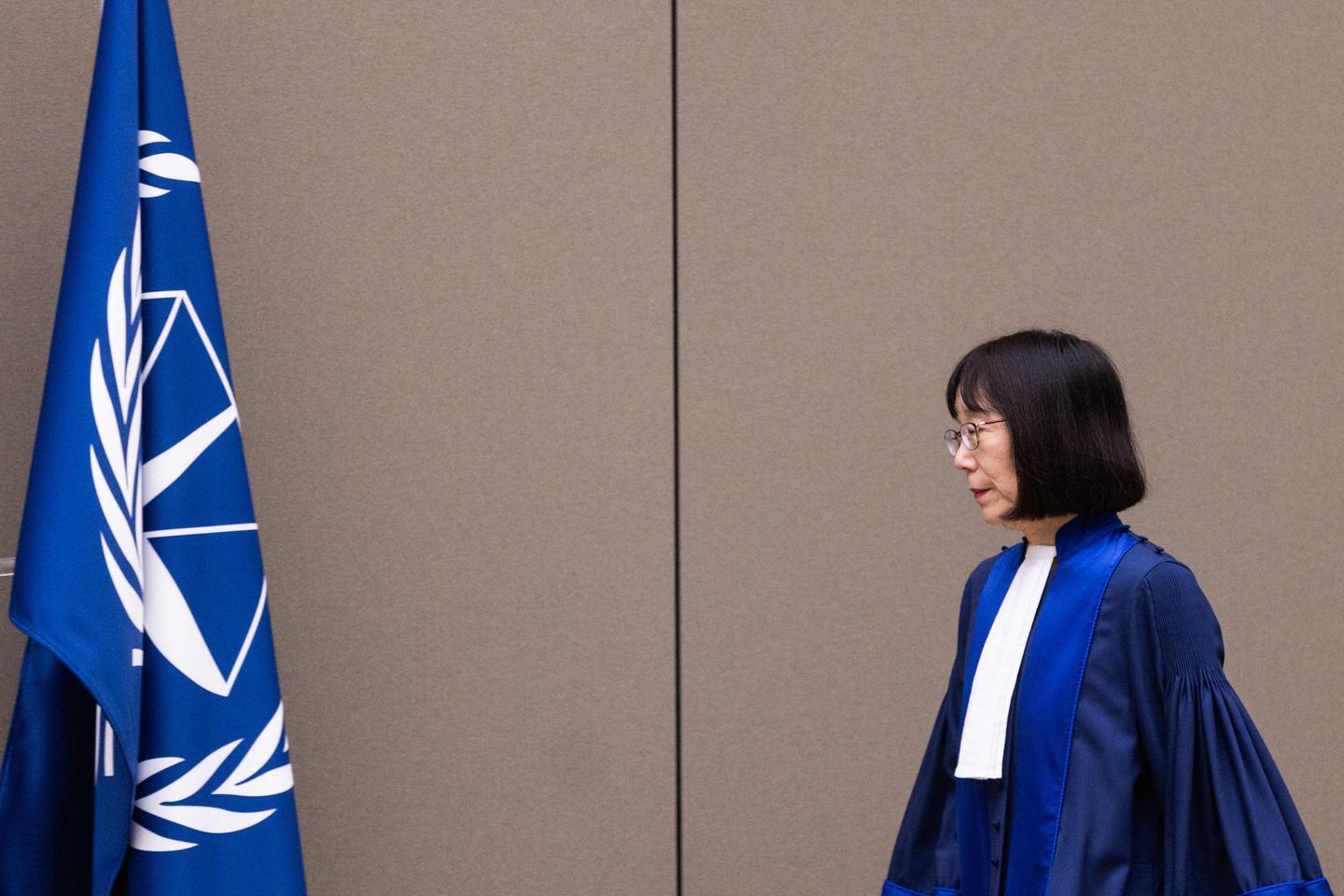
The United States has sanctioned International Criminal Court President Tomoko Akane of Japan and Senior Trial Lawyer Abdoulaye Seye of Senegal, escalating Washington's campaign against the court. Secretary of State Marco Rubio announced the move, calling the ICC "corrupt and fatally politicized" and accusing it of exceeding its mandate. Le Monde and Middle East Eye both confirmed the sanctions include asset freezes, travel bans, and cuts to U.S. financial access.
The move brings the total number of ICC officials targeted by U.S. sanctions to at least 11, including nine judges and the court's chief prosecutor. It follows ongoing ICC investigations into Israeli actions in Gaza and alleged war crimes in Afghanistan involving U.S. personnel.
Why Akane and Seye Were Specifically Targeted
Rubio said the two officials had direct involvement in ICC efforts to investigate, arrest, or prosecute government officials whose countries have not consented to the court's authority. The U.S. is not a member of the ICC and has never ratified the Rome Statute, the treaty that created the court. Washington argues the ICC has no right to pursue Americans or the officials of U.S. allies like Israel.
Israeli media reports say Seye is overseeing an ICC investigation into Israeli funding for illegal settlements and the supply of weapons to settlers in the West Bank. Akane, as court president, oversees the ICC's overall operations. Head Topics reported the U.S. Treasury froze Akane's American assets and cut her off from the U.S. financial system entirely.
A Pattern of Pressure: 11 ICC Officials Sanctioned So Far
These sanctions did not come out of nowhere. The Trump administration signed an executive order last year authorizing penalties against ICC officials. Since then, the U.S. has steadily expanded its list of targets. Akane and Seye join nine judges and ICC Chief Prosecutor Karim Khan, who was sanctioned earlier over the court's Gaza and Afghanistan probes.
Beyond asset freezes and travel bans, the measures also block U.S. companies from providing services connected to the sanctioned officials. Washington has also pushed ICC member states to leave the court entirely. Chad and Venezuela have already announced they will withdraw, according to Le Monde.
Human Rights Groups Sue Trump Over ICC Sanctions
Not everyone is backing the U.S. approach. Four human rights organizations filed a lawsuit in New York against former President Donald Trump over the sanctions. The groups argue the measures prevent victims of war crimes from pursuing justice in American courts. They say the sanctions effectively punish the very institution meant to hold perpetrators accountable.
Legal experts warn the sanctions could slow or stall ICC investigations by isolating its leadership from the global financial system. If key officials cannot travel or access funds, the court's ability to issue warrants and gather evidence may weaken. Critics say that outcome is precisely what Washington wants.
ICC's Sovereignty Clash With Washington Deepens
The ICC was set up in 2002 to try individuals for war crimes, crimes against humanity, and genocide when national courts fail to act. The U.S. signed but never ratified the Rome Statute, meaning it has no formal obligations to the court. Washington has long argued the ICC poses a threat to U.S. sovereignty by claiming authority over American citizens and allied officials.
Rubio framed the sanctions as a defense of that sovereignty. He said the ICC "has exceeded its mandate" and operates without accountability. The ICC has not publicly commented on the latest designations. But the pattern is clear: the U.S. is treating the court not as a neutral legal body, but as a political adversary.
Sentiment
Mostly NegativePublishers
25
Articles
128
Reach
153