Rural AI Healthcare Doubts
Governments and companies push AI for rural healthcare, but patients remain skeptical without clear evidence
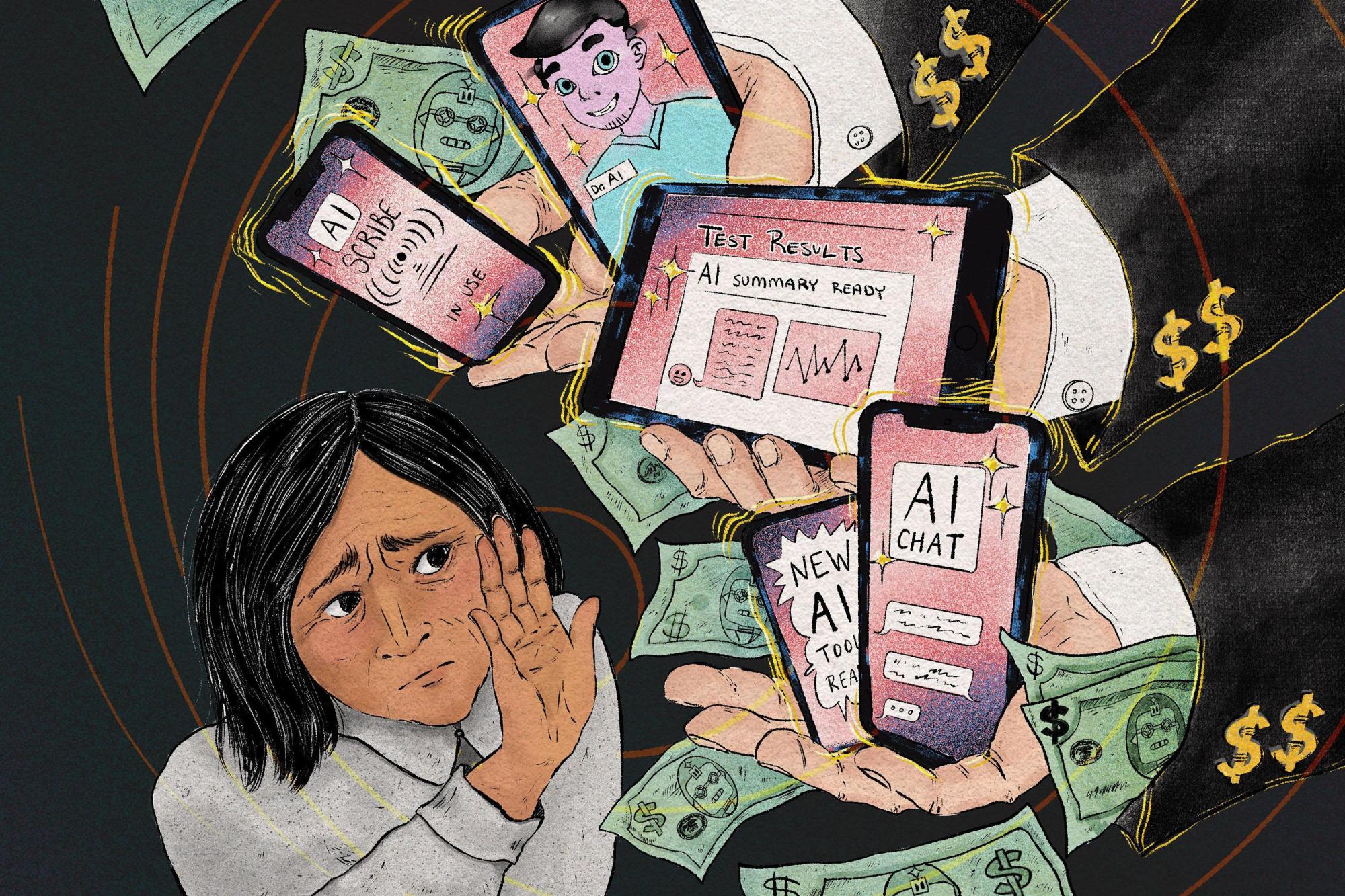
Health Secretary Robert F. Kennedy Jr. is pushing AI as a fix for rural America's healthcare crisis, suggesting that AI nurses can give rural patients "concierge care." But many rural Americans are not convinced — and the evidence that AI actually helps is thin, according to Morning Journal.
State health leaders are now funneling money from the federal government's $50 billion Rural Health Transformation Program into AI tools for rural clinics and hospitals. Yet a recent report from ARISE, a group that reviews health-related AI, found little proof that these tools improve access to care or patient outcomes, Sun Sentinel reported.
RFK Jr. Bets Big on AI Nurses for Rural Care
Kennedy has been vocal about AI's role in closing the rural health gap. He envisions AI-powered nurses that could give patients in remote areas the kind of personalized attention usually reserved for the wealthy. Rural America has long struggled with too few doctors, closed hospitals, and long drives to the nearest clinic, The Morning Call reported.
The pitch is simple: if there are not enough human providers, let AI fill the gap. Kennedy believes technology can bring specialist-level guidance to a farmer in Kansas or a family in rural Appalachia. Critics say that is a big leap of faith without solid data to back it up, according to Pilot Online.
$50 Billion Program Directs Funds Toward AI Tools
The federal Rural Health Transformation Program is one of the largest investments in rural healthcare in years. States are getting a share of the $50 billion pot, and many are choosing to spend part of it on AI. That includes tools for diagnosing patients, managing records, and even triaging symptoms remotely, Greeley Tribune reported.
Supporters say AI can stretch limited resources further. A single rural clinic might use AI to screen hundreds of patients that staff could not otherwise reach. But opponents worry the money would be better spent on real nurses, better roads to hospitals, or recruiting doctors to underserved areas, according to Twin Cities.
Rural Patients Push Back on AI Healthcare Promises
Many rural Americans are skeptical. Trust is a big issue. Patients in small towns often rely on knowing their doctor personally. An AI system, no matter how advanced, does not have that history or relationship. Some patients worry about privacy — who owns their data and where it goes, Press Enterprise reported.
Others point to a basic problem: spotty internet service in many rural areas. AI tools need reliable broadband to work. Large parts of rural America still lack it. Pushing AI solutions without fixing connectivity first may leave the most isolated patients behind, according to San Bernardino Sun.
ARISE Report Finds Little Proof AI Closes Health Gaps
ARISE, a group that evaluates AI used in healthcare, recently reviewed the evidence on AI in rural health settings. Its findings were sobering. Despite growing investment and bold claims from tech companies and government officials, there is little hard data showing AI improves access or health outcomes for rural patients, Sun Sentinel reported.
Experts say more rigorous studies are needed before scaling these tools across rural communities. Right now, much of the AI being deployed has only been tested in urban hospital systems — very different environments from a rural clinic with one doctor and no specialist on call, according to Morning Journal.
Sentiment
NeutralPublishers
8
Articles
8
Reach
8


