Sustainable Urban Waste Management
Global Cities Embrace Long-Term Waste Management and Food Waste Reduction Strategies
Anonymous
Governments and communities are emphasizing that cleaner, safer cities require sustained waste management and environmental planning rather than short-term cleanup campaigns. In Dar es Salaam, authorities have cleared rubbish, soil and blocked drains ahead of a forecast wet season, but officials and residents are urged to make drainage maintenance and responsible waste disposal routine. World Cleanup Day 2026 in Shaoxing, China, focused on preventing food waste and building resource-efficient cities through smaller portions, food redistribution, waste separation and composting. Shaoxing’s local initiatives, including restaurant campaigns and wedding-banquet guidelines, have helped reduce food loss while linking individual behavior to broader urban systems. Officials in India’s Patnitop also approved a plan under the Clean Himalayan Hill Cities Initiative to promote coordinated, sustainable development of the hill destination.
Key Points
1
World Cleanup Day 2026 drew 842 participants, including more than 200 international participants, and was jointly hosted by China’s Ministry of Housing and Urban-Rural Development, Zhejiang Province, and UN-Habitat.
2
Shaoxing’s Fushan subdistrict has expanded small-portion ordering and free takeout services to more than 600 restaurants, making food-waste reduction part of routine dining practices.
3
Guidelines for wedding banquets in some parts of Shaoxing have reduced food loss at rural wedding events by an average of 25 percent through menu optimization and other measures.
4
UN-Habitat and Shaoxing’s municipal government signed a memorandum of understanding to strengthen cooperation on urban development, while the Shaoxing Call to Action and Shaoxing Practices Report were launched to support continued international knowledge exchange.
5
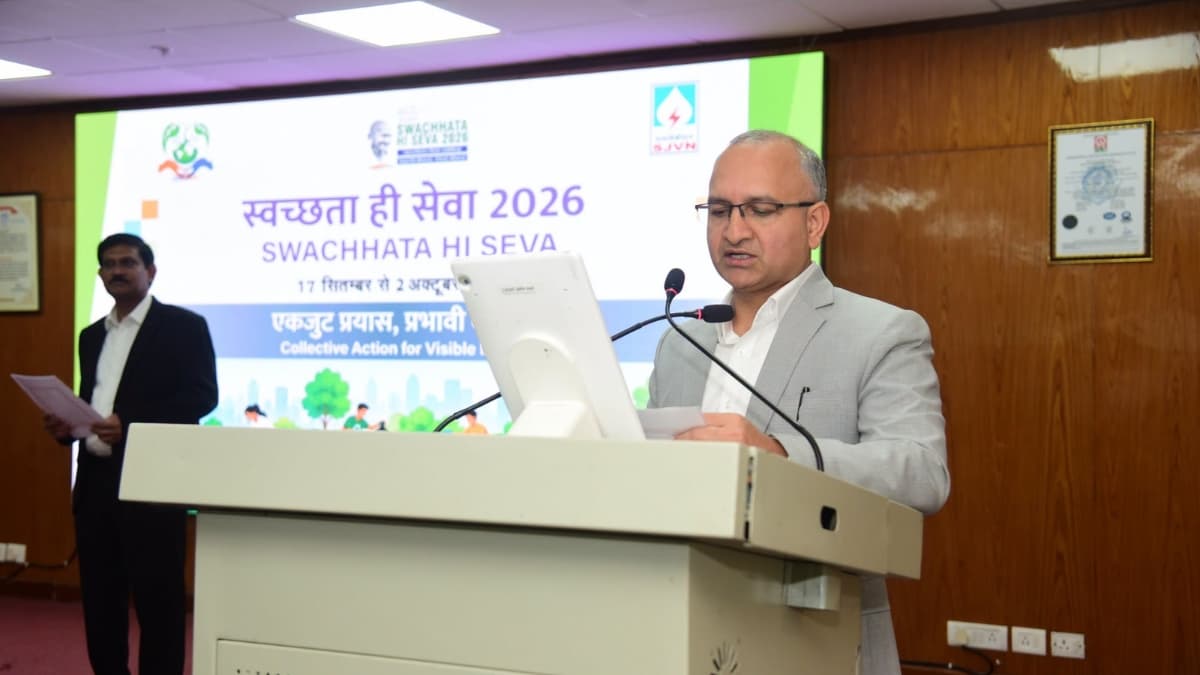
At the Patnitop planning meeting, Additional Deputy Commissioner Prem Singh, Chief Executive Officer PDA Rakesh Dubey and other officers and committee members reviewed the Clean Himalayan Hill Cities Initiative action plan; officials were directed to implement it promptly, with coordination among departments and compliance with applicable rules and guidelines.
Sentiment
Mostly PositiveNEGATIVENEUTRALPOSITIVE
Publishers
16
Articles
12
Reach
28
Topics
A
AnonymousAuthor