Oracle Data Center Delay
New Mexico pipeline delay threatens Oracle's Project Jupiter data center, highlighting AI infrastructure challenges
Key Points
The Green Chile Project's natural gas delivery of up to 400 million cubic feet per day would represent roughly 0.4% of total U.S. Lower 48 gas production, highlighting the scale of fuel needed for Oracle's Jupiter site.
Energy Transfer is already supplying gas to an Oracle data center campus near Abilene, Texas, and has signed agreements representing more than 6 billion cubic feet per day of new demand across data centers, utilities and power plants.
New Mexico's State Land Office has repeatedly declined to approve Energy Transfer’s proposed pipeline route across state-owned land, underscoring ongoing regulatory friction on siting.
Investors reacted to the delay with Oracle shares down about 4% and Energy Transfer up about 1.4%, reflecting differing perceptions of the regulatory and infrastructure hurdles.
Bloomberg also reported the delay, noting the Green Chile Project is now expected to enter service on February 1, 2027, corroborating the timeline shift.
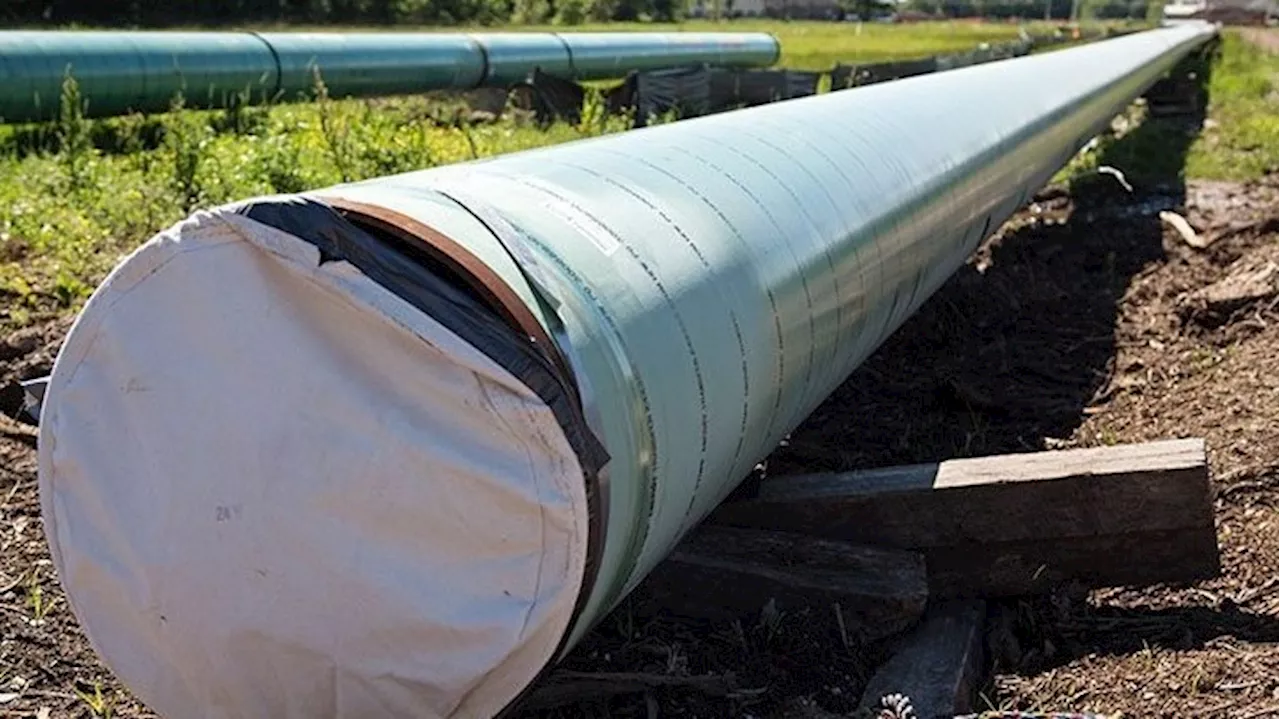
A key natural gas pipeline meant to power Oracle's massive $165 billion data center in New Mexico will not be ready until February 1, 2027 — nearly six months later than planned. The delay threatens the fuel supply for Project Jupiter, Oracle's ambitious AI data center near the U.S.-Mexico border, according to Bloomberg Law and Oil Price.
The Green Chile Project, operated by Energy Transfer's Transwestern Pipeline, was originally set to enter service on August 15, 2026. The slip sent Oracle shares down about 4% while Energy Transfer stock rose roughly 1.4%, reflecting who investors think carries more of the risk.
What the Green Chile Pipeline Was Built to Do
Project Jupiter needs enormous amounts of fuel. Oracle's plan calls for up to 2.5 gigawatts of gas-powered fuel cells at the New Mexico site. To feed them, the Green Chile pipeline would deliver up to 400 million cubic feet of natural gas per day, according to Bloomberg Law. For scale, that is roughly 0.4% of all natural gas produced across the entire U.S. Lower 48 states.
Energy Transfer is not new to powering data centers. The company is already supplying gas to an Oracle campus near Abilene, Texas. Across all its customers — data centers, utilities, and power plants — Energy Transfer has signed deals covering more than 6 billion cubic feet per day of new demand, according to Oil Price.
State Land Office Blocks the Proposed Route
The delay is not just about construction schedules. New Mexico's State Land Office has repeatedly refused to approve the pipeline route across state-owned land. That regulatory friction has become a major obstacle, according to Head Topics. Energy Transfer has struggled to lock down a path that state officials will accept.
This kind of siting fight is becoming common as AI data centers race to secure power. Regulators must weigh land use, environmental concerns, and public interest before approving routes. Each refusal adds months to a project's timeline — and in this case, those months matter a great deal.
Oracle's $165 Billion Bet Now Faces a Fuel Gap
Project Jupiter is one of the largest data center investments ever announced. Oracle pledged $165 billion to build it near the U.S.-Mexico border. The site is designed to run AI workloads at a scale that demands dedicated fuel infrastructure — not just a connection to the public grid, according to Bloomberg Government.
The pipeline delay creates a real gap in that strategy. Without the Green Chile Project online, the site cannot receive the gas volumes it needs on the original schedule. Oracle has not yet said publicly how it plans to bridge that gap while the pipeline catches up.
A Warning Sign for AI Infrastructure Buildout
The Green Chile setback is a clear example of a broader problem. AI data centers need power fast. But pipelines, power lines, and substations move slowly through permitting systems built for a different era. Regulatory approvals that once took months can now stall projects for years.
Energy Transfer and Oracle are navigating what the industry calls "behind-the-meter" generation — building their own power supply rather than relying on the public grid. It is a smart strategy in theory. But it still depends on getting fuel to the site, and that means pipelines. If regulators keep blocking routes, even the most ambitious AI plans hit a hard wall.
Sentiment
Mostly NegativePublishers
11
Articles
19
Reach
30


