Nevada Battles Federal Water Plan
Nevada Files Federal Lawsuit Challenging Proposed Cuts to Colorado River Water Allocation
Key Points
Nevada highlights a long-term record of water efficiency, noting a roughly 40% reduction in Colorado River use over the past 25 years even as Las Vegas added more than 800,000 residents.
The plan would impose a 17% cut in the first two years on Nevada’s annual allocation of 300,000 acre-feet, before potential larger reductions starting in 2029.
Upper Basin states (Colorado, Utah, New Mexico and Wyoming) would be asked to meet voluntary conservation goals rather than face mandatory cuts, according to the filing.
A judicial pause on the overarching federal plan could jeopardize the 2027–2028 operating plan and disrupt the Lower Basin’s management approach.
The lawsuit argues the Final Environmental Impact Statement failed to quantify economic impacts on municipal users; Las Vegas Valley’s economy is estimated at about $180 billion, and cities like Las Vegas, Henderson, North Las Vegas, and Boulder City could be affected.
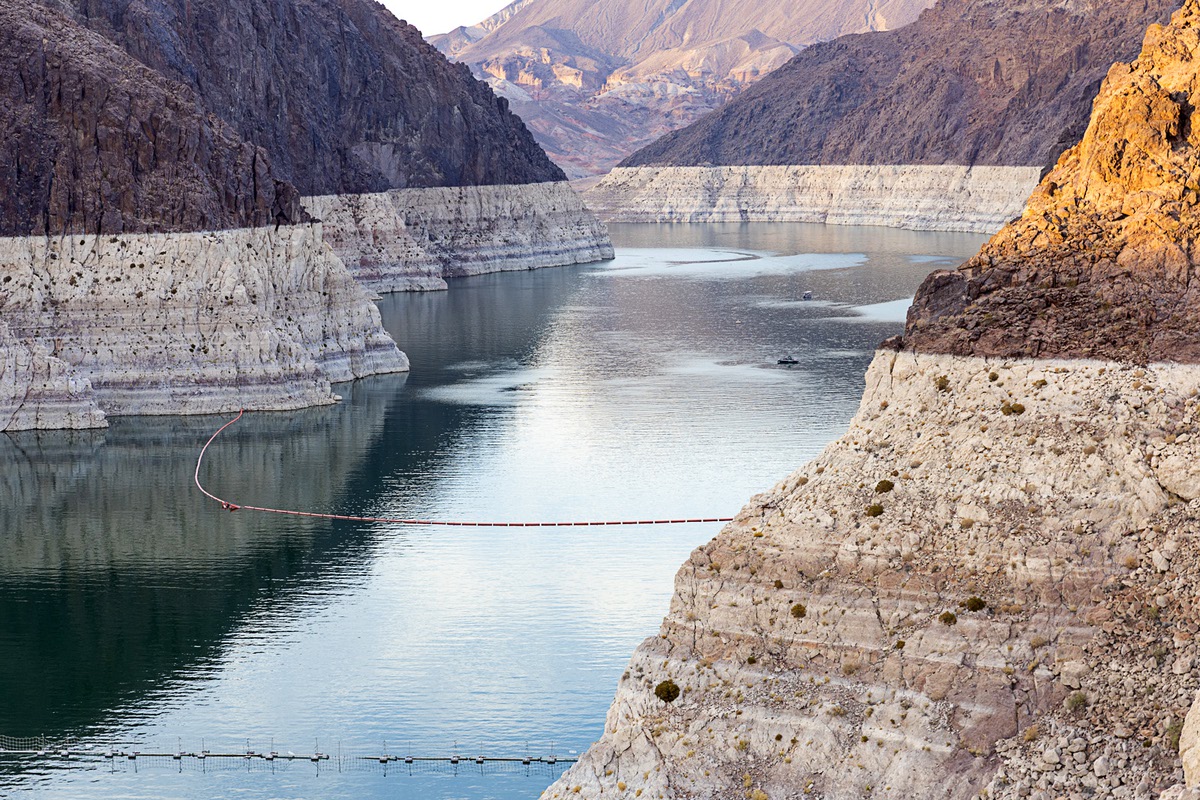
Nevada filed a federal lawsuit to block the Trump administration's Colorado River operating plan, arguing it would cut up to 213,556 acre-feet—more than 70% of the state's water allocation—starting in 2029 Colorado Politics. The suit contends the plan unfairly burdens Nevada and the Lower Basin while Upper Basin states face only voluntary conservation targets, threatening Las Vegas's water security and the state's $180 billion economy.
The challenge marks the first major court battle over the Trump administration's Colorado River management framework E&E News. Nevada argues the Interior Department miscalculated water shortages and failed to analyze economic impacts on communities dependent on the river during a historic drought.
Nevada's Water Track Record and First-Phase Cuts
Nevada has reduced Colorado River water use by roughly 40% over the past 25 years even as Las Vegas added more than 800,000 residents Las Vegas Sun. The state argues this conservation record should count against mandatory cuts. Under the plan's first phase (2027–2028), Nevada faces a 17% reduction on its annual 300,000 acre-foot allocation.
Starting in 2029, cuts could jump dramatically. Nevada could lose 213,556 acre-feet yearly, leaving the Las Vegas area with less than 86,500 acre-feet per year compared to about 212,500 acre-feet used in 2024 Denver Gazette. This gap could strain municipal and industrial users across the valley.
Unequal Burden Between Upper and Lower Basins
The lawsuit highlights a key complaint: Lower Basin states (Nevada, Arizona, California) must implement mandatory cuts, while Upper Basin states (Colorado, Utah, New Mexico, Wyoming) are asked only to pursue voluntary conservation Colorado Politics. Nevada argues this disparity is unfair and lacks legal justification. The plan also specifies larger reductions for the Lower Basin after 2029, with no mandatory cuts for the Upper Basin.
Nevada's legal challenge argues the Trump administration miscalculated how much water shortage exists and failed to properly study economic impacts E&E News. The state contends the Final Environmental Impact Statement did not adequately quantify losses for cities like Las Vegas, Henderson, North Las Vegas, and Boulder City that depend on Colorado River water.
Legal Grounds and Potential Court Disruption
Nevada's lawsuit is brought under the National Environmental Policy Act (NEPA) and the Administrative Procedure Act (APA), federal laws that govern how agencies make decisions Bellingham Herald. The state seeks an injunction to halt the plan's implementation while the court reviews whether the Interior Department followed proper procedures and analysis requirements.
A judicial pause on the plan could jeopardize the 2027–2028 operating guidelines and disrupt the Lower Basin's water management approach during an ongoing drought Las Vegas Sun. The Interior Department is already implementing the 2027–2028 framework, meaning a court victory for Nevada could force a rollback of current operating rules while litigation proceeds.
Broader Seven-Basin Struggle Over Dwindling Resources
The Nevada case is part of a larger fight over the Colorado River's declining flows due to historic drought and climate change E&E News. Seven basins across the West depend on the river for drinking water, agriculture, and hydroelectric power. Governors and water authorities describe the dispute as a survival matter for communities and the region's energy and food systems.
The Colorado River's flows have dropped sharply in recent decades, forcing the federal government to develop new operating rules that allocate cuts among states Colorado Politics. Nevada's lawsuit signals that states view the Trump administration's plan as unfairly distributed, and legal challenges could reshape how federal water policy evolves in the coming years.
Sentiment
Mostly NegativePublishers
19
Articles
53
Reach
72


