US-Canada Tariff War
Vance Remarks Intensify Tensions Amidst US-Canada Trade Dispute and Escalating Tariffs
Key Points
Ontario Premier Doug Ford threatened to cut off power to about 1.5 million homes and businesses in the U.S. as a consequence of the tariff dispute with Canada.
The administration has publicly embraced annexation rhetoric toward Canada, with Trumpian 51st state framing and related imagery— including an AI-generated Truth Social post illustrating annexation of Canada.
Tariff action includes 50% tariffs on $20 billion worth of Canadian goods, with Ottawa promising retaliatory penalties in response to U.S. measures.
Vance argued that Canada underinvests in its military and would be invaded by a foreign country were it not for the umbrella of protection provided by the United States.
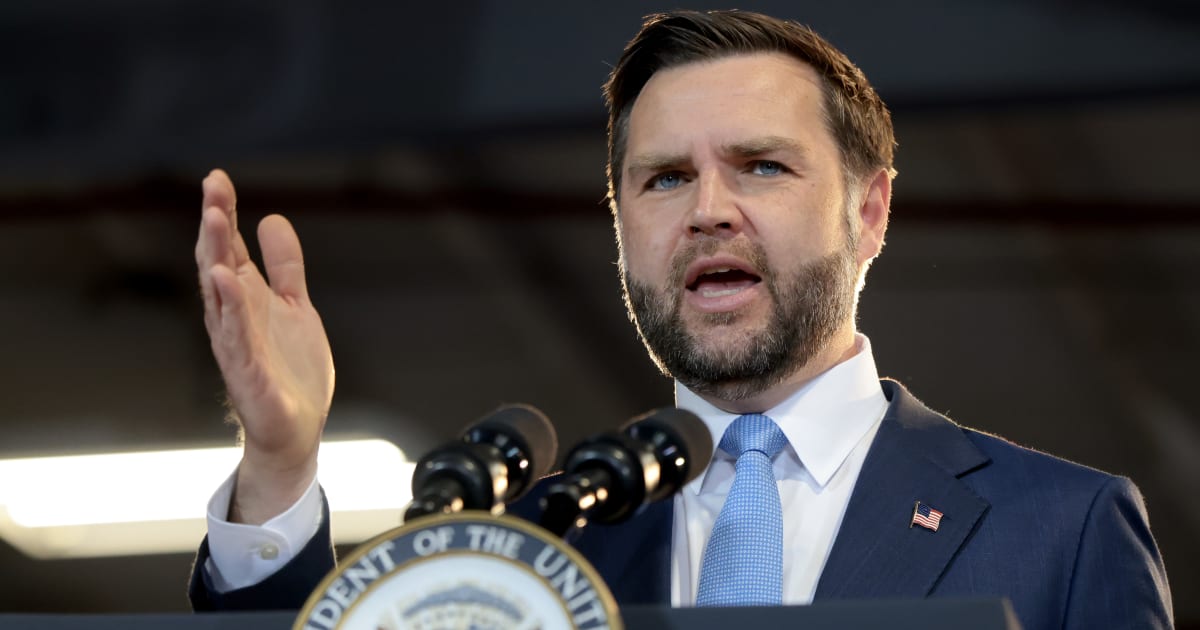
Vice President JD Vance called Canada a U.S. state during a Maine event, then blamed the slip on a Freudian mistake. The remark highlighted rising tensions as the Trump administration imposes 50% tariffs on Canadian imports and uses rhetoric suggesting annexation. Global News reported the incident occurred in Brewer, Maine, where Vance was discussing trade disputes with Canada.
The comment triggered immediate pushback from Canadian officials. Ontario Premier Doug Ford threatened to cut power to about 1.5 million U.S. homes and businesses in response. The escalating dispute over tariffs and military spending has strained cross-border relations at a critical moment.
Vance's State Slip Sparks Controversy
During his Maine speech on August 24, Vance accidentally called Canada a state before catching himself. MEAWW noted the stumble happened while Vance discussed U.S.-Canada trade relations. He then characterized the mistake as a Freudian slip—an unconscious expression of hidden thoughts. The comment drew attention given the administration's recent focus on Canada as a trade rival and tariff target.
Canada's Military Spending and U.S. Protection
Vance argued that Canada underinvests in its military and relies heavily on U.S. security protection. He claimed Canada would face invasion without America's defensive umbrella. Head Topics reported Vance accused Canada of taking unfair advantage in trade relations. These arguments framed Canada as both militarily vulnerable and economically opportunistic toward the United States.
Tariff War Escalates With Retaliation Threats
The Trump administration imposed 50% tariffs on roughly $20 billion worth of Canadian goods. Yahoo News reported Vance made his comments amid the escalating trade conflict. Ottawa promised retaliatory penalties in response to U.S. tariff measures. The back-and-forth intensified concerns about disruption to cross-border trade and supply chains.
Ontario Premier Ford raised the stakes by threatening to cut electricity exports. About 1.5 million American homes and businesses depend on Canadian power. Ford's warning signaled that Canada might target sectors deeply integrated with U.S. infrastructure. The threat illustrated how the tariff dispute could ripple across multiple industries.
Annexation Rhetoric Marks Aggressive Trade Stance
The Trump administration has openly discussed annexation, framing Canada as a potential 51st state. An AI-generated image on Truth Social illustrated annexation imagery. Yahoo News Malaysia noted Vance's slip reflected the broader administration messaging on Canada. The rhetorical shift marked an unusual departure from traditional diplomatic language between allied nations.
The aggressive posture combines tariff pressure with territorial rhetoric. Vance's military spending critique and annexation imagery work together to reshape the U.S.-Canada relationship. Officials on both sides have responded with sharp criticism. The dispute signals a fundamental shift in how Washington treats its largest trading partner.
Sentiment
Mostly NegativePublishers
13
Articles
22
Reach
35


