Global Helium Supply Crisis
China Imposes Immediate Helium Export Ban Amid Global Shortages, Threatening Tech Industries
Anonymous
Key Points
1
China's helium export ban takes effect immediately under the Foreign Trade Law and applies to all overseas shipments with no exemptions or lift date, as announced jointly by the Ministry of Commerce and the General Administration of Customs.
2
The restriction targets a specific customs code, 2804290010, and is described as an emergency export control; any future adjustments will be issued via separate administrative announcements.
3
Russia tightened helium exports with government-approval requirements for shipments outside the Eurasian Economic Union, with the policy remaining in force through 2027; Russia is a major supplier (about 8% of global helium) and its Amur processing plant near China has been a key supply source.
4
China imports over 85% of its helium, and prices for lower-grade liquid helium in China have risen about 65% since early 2026, reflecting tightened global supplies amid Middle East disruptions.
China has banned all helium exports effective immediately, with no exemptions and no end date announced. China Daily reported the move cites the country's Foreign Trade Law, targeting a single customs code — 2804290010 — that covers the industrial gas critical to chip manufacturing and quantum computing.
The ban lands as global helium supplies are already under severe strain. Middle East conflict has disrupted key supply routes, and liquid helium prices inside China have surged roughly 65% since early 2026, according to Investing.com. China imports more than 85% of its helium, making it uniquely exposed to any tightening of global supply.
China's Emergency Ban Covers All Overseas Helium Shipments
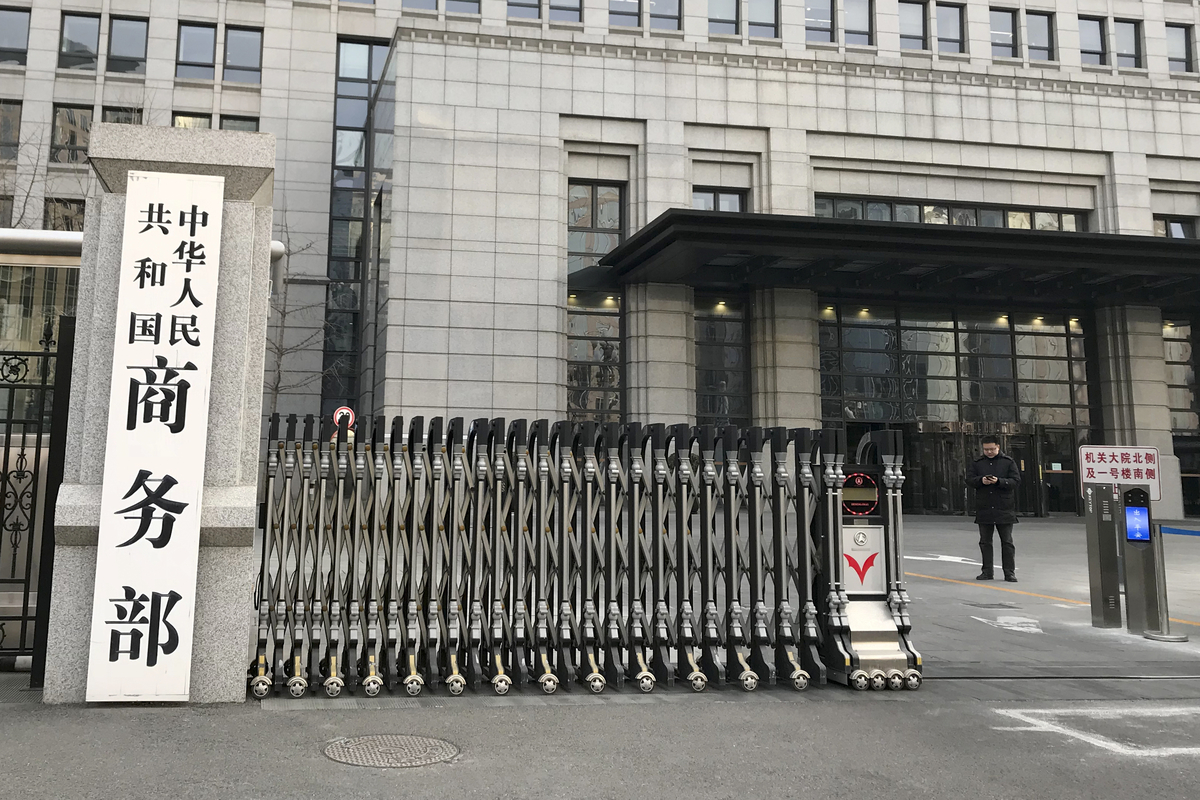
China's Ministry of Commerce and the General Administration of Customs issued the ban jointly. China Daily confirmed it takes effect immediately and described any future changes as subject to separate administrative announcements. There is no stated lift date and no category of shipment is exempt.
SE Daily noted the ban is framed as an emergency export control on a strategic material. Helium is used in semiconductor fabrication to cool equipment and purge contaminants. It is also essential for MRI machines, rocket fuel systems, and precision manufacturing. Crucially, helium is non-renewable — once released into the atmosphere, it cannot be recovered.
Middle East Conflict Sparked the Supply Crisis Behind the Ban
The trigger for the ban is a fresh round of fighting in the Middle East. DevDiscourse reported that U.S.-Israeli military action against Iran disrupted helium supply chains, as Iran is a significant producer and exporter of the gas. That disruption sent shock waves through markets that were already tight.
China's domestic helium production is minimal. The country relies on imports to meet over 85% of its needs. When global supply tightens, China feels it fast. The 65% price spike in lower-grade liquid helium since early 2026 shows just how quickly shortages translate into market pain, according to Investing.com.
Russia Squeezes Its Own Helium Exports Through 2027
China's ban does not happen in isolation. Russia has also tightened its helium exports, requiring government approval for all shipments leaving the Eurasian Economic Union. That policy runs through 2027. Russia supplies about 8% of global helium, much of it processed at the Amur plant near the Chinese border — a facility that had been one of China's key import sources.
With both Russia and China now restricting helium flows, the global market faces a double squeeze. SE Daily noted that China's move is part of a broader pattern of Beijing asserting control over strategic materials, following earlier export controls on gallium, germanium, and rare earth metals.
Semiconductor and Tech Industries Face the Sharpest Risk
Chip factories are the most exposed. Helium is used throughout the semiconductor fabrication process — from cooling superconducting equipment to purging oxygen from sensitive chambers. A sustained shortage could slow production lines at a time when the global chip industry is already navigating trade restrictions and demand pressure.
Analysts warn the situation could worsen before it improves. Helium supply chains take years to build. New sources in Qatar and the United States exist, but routing supply around Chinese and Russian restrictions adds cost and time. Investing.com reported that markets are watching closely for any signal from Beijing on when — or whether — the ban will be lifted.
Sentiment
Mostly NegativeNEGATIVENEUTRALPOSITIVE
Publishers
22
Articles
172
Reach
194
A
AnonymousAuthor


