Ontario Tick Threat
An overlooked tick-borne illness is significantly rising in Ontario this summer
Anonymous
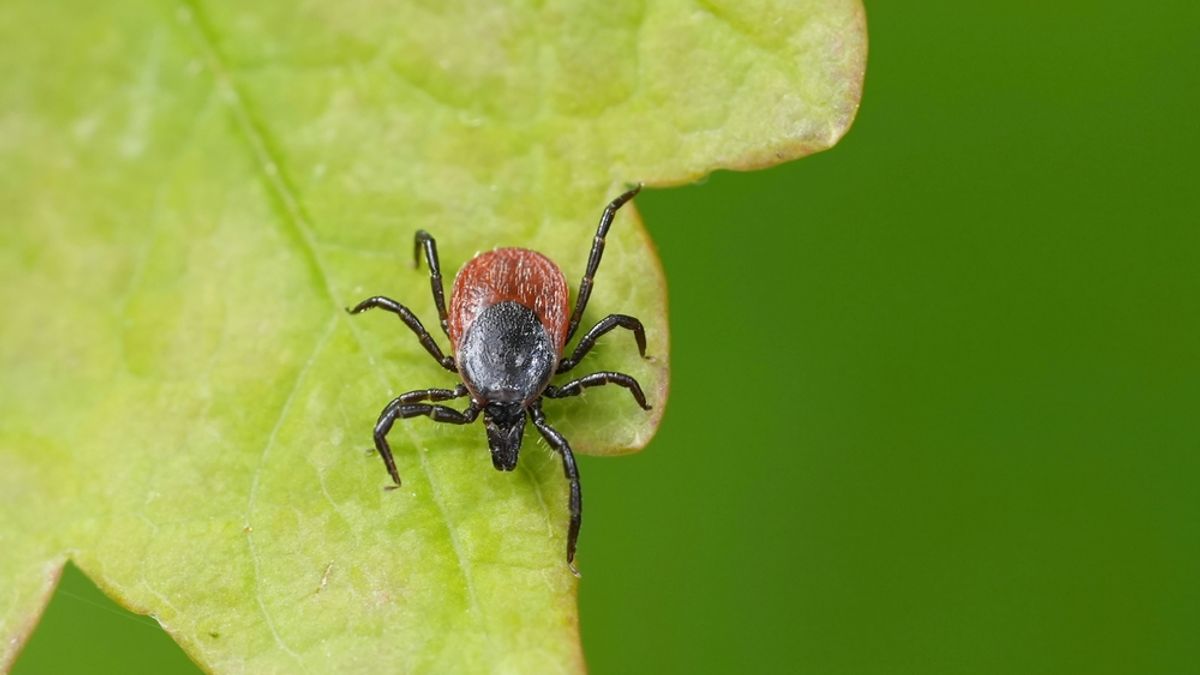
A tick-borne illness called anaplasmosis is rising fast across Ontario this summer, and many residents have never heard of it. Mississauga.com reports the disease is spreading through outdoor spaces, putting hikers, campers, and backyard gardeners at growing risk.
Health experts say anaplasmosis has long been overshadowed by Lyme disease, but that is changing. "It's here," officials warn, as warmer temperatures push tick populations into new parts of the province and case numbers climb.
What Is Anaplasmosis and Why It Matters
Anaplasmosis is a bacterial infection spread by black-legged ticks — the same ticks that carry Lyme disease. It attacks white blood cells. Symptoms include fever, chills, severe headache, and muscle pain. They can appear within one to two weeks of a tick bite. Without treatment, the illness can become serious fast.
Unlike Lyme disease, anaplasmosis does not cause a telltale bull's-eye rash. That makes it harder to spot. Many patients and even some doctors may not recognize it right away. Northumberland News notes the illness has been largely overlooked in public health messaging, even as its numbers grow.
Tick Populations Are Spreading Deeper Into Ontario
Black-legged ticks were once mostly found in southern Ontario. Now they are moving north. Warmer summers and milder winters let tick populations survive and expand into new regions. Parry Sound notes the rise in tick-related illness across the province this summer is directly tied to this geographic spread.
Experts say ticks are now turning up in areas where residents may not expect them. That includes parks, hiking trails, and even suburban backyards. People who spend time outdoors in central and northern Ontario face a real and growing risk of exposure.
How to Protect Yourself From Tick Bites This Season
Health officials recommend several simple steps to cut your risk. Wear long sleeves and pants when walking in wooded or grassy areas. Use insect repellent with DEET. Stick to the centre of trails. Most importantly, do a full body tick check after any time outdoors — ticks often hide behind the knees, in the groin, and behind the ears.
If you find a tick, remove it promptly with tweezers. Grab it as close to the skin as possible and pull straight out. Do not twist or crush it. The faster a tick is removed, the lower the chance of infection. See a doctor right away if you develop a fever or flu-like symptoms after a bite.
Doctors Urge Awareness as Summer Outdoor Season Peaks
Medical professionals say the biggest danger with anaplasmosis is that people do not think to mention a tick bite to their doctor. Symptoms can look like the flu. If a doctor does not know about outdoor exposure, they may not test for tick-borne illness at all. Early antibiotic treatment — usually doxycycline — works well, but timing is critical.
New Hamburg Independent and other local outlets are urging Ontarians to stay informed as the summer outdoor season hits its peak. Public health units across the province are calling for better awareness of anaplasmosis alongside Lyme disease. The message is clear: tick-borne illness is no longer a distant concern for Ontario residents.
Sentiment
NeutralNEGATIVENEUTRALPOSITIVE
Publishers
6
Articles
5
Reach
6
A
AnonymousAuthor


