Navigate Ontario's Tick Increase
Ontario Sees More Ticks This Year: Essential Information for Prevention and Removal
Anonymous
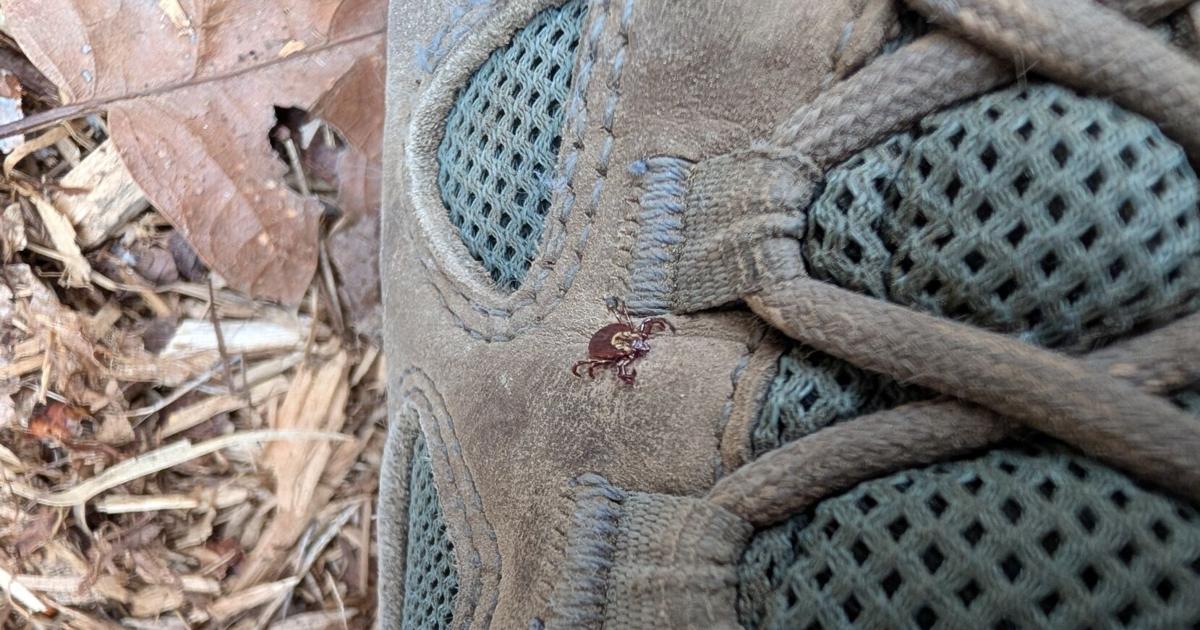
Ontario is on track for one of its worst tick seasons on record. Researchers found up to 13 ticks in a single hour in high-risk zones this June, according to CTV News. Canada recorded 7,105 confirmed Lyme disease cases in 2025 — the highest number ever — while Ontario alone saw 3,614 cases, a 19% jump over the year before.
Experts say this is no longer a temporary spike. Climate change has made Ontario winters milder, letting more ticks survive and reproduce. "It's not going to stop anytime soon because it's really driven by climate warming," said Virginie Millien, a biologist at McGill University, as reported by CTV News.
Lyme Disease Has Spread to Every Corner of Ontario
In 2010, Ontario had just 119 confirmed Lyme cases — a rate of 0.9 per 100,000 people, according to Ontario Lyme Tracker. By 2025, that rate had climbed to 23.0 per 100,000. That is a 30-fold increase in 15 years. In 2022, Lyme cases were confirmed in all 34 of Ontario's Public Health Units for the first time ever.
Public Health Ontario released a new risk map in May 2026 showing seven new "emerging" zones, including areas in the Greater Toronto Area. The province now has 43 recorded tick species, up from far fewer decades ago, The Sarnia Journal reported. Twelve of those species are considered fully established. Nearly 4 in 10 ticks tested in 2026 — 39% — carried at least one disease-causing pathogen.
Warmer Winters and Migrating Birds Are Fueling the Surge
Ontario's cold winters used to kill off large numbers of ticks each year. That natural check is weakening. Milder winters and earlier springs now let ticks start biting about a month sooner than normal. Vets in southern Ontario began recording tick bites as early as February 15, 2026, roughly four weeks ahead of historical averages, according to CTV News.
Migratory birds are also spreading ticks across long distances. At least 18 of Ontario's 43 tick species travel on birds, The Sarnia Journal reported. Dr. Katie Clow of the University of Guelph told CBC News that "the invasion process is just going to continue to fill that ecological niche" across all of Canada's most populated areas.
How to Repel Ticks Without DEET
Health Canada recommends DEET (20–30%) and Icaridin (20%) as the top repellents. But for those who want a DEET-free option, there are solid choices. Oil of Lemon Eucalyptus — also called PMD — is the only plant-based repellent approved by both the CDC and Health Canada. It provides up to six hours of protection, according to St. Catharines Standard.
Icaridin sprays are odorless and non-greasy, making them popular for families. Canadian-made options like PureGard and AtlanTick use essential oils, though they need more frequent reapplication. Wearing long sleeves, tucking pants into socks, and sticking to the center of trails also cuts your risk significantly, Inside Ottawa Valley noted.
How to Safely Remove a Tick in Four Steps
If you find a tick on your skin, do not panic — but act quickly. Use fine-tipped tweezers and grasp the tick's head as close to the skin as possible. Pull straight up with steady, even pressure. Do not twist or jerk the tick. Twisting can break off the mouthparts and leave them in your skin, according to St. Catharines Standard.
After removal, clean the bite area with soap and water or rubbing alcohol. Do not use petroleum jelly or heat to remove a tick — health officials warn these methods cause the tick to regurgitate, which actually raises your infection risk. Save the tick in a sealed container and submit it for testing through eTick.ca, a free Canadian platform for tick identification, as noted by Caledon Enterprise.
Sentiment
NeutralNEGATIVENEUTRALPOSITIVE
Publishers
5
Articles
4
Reach
5
A
AnonymousAuthor


