Syria Delisting Eyed
Trump Eyes Delisting Syria From Terrorism List Amid Bipartisan Push and Normalization Talks
Anonymous
Key Points
1
A bipartisan letter to Secretary of State Rubio urging Syria's removal from the State Sponsors of Terrorism list was signed by Sen. Jeanne Shaheen, Sen. Elizabeth Warren, and Rep. Joe Wilson, arguing that since the Assad regime's ouster, Ahmed Al-Sharaa and the new Syrian government have demonstrated continued commitment to counterterrorism operations within Syria.
2
The delisting push contends that removing Syria from the list would facilitate normalization of private-sector investment and boost U.S. strategic influence in the Middle East as Syria's governance seeks legitimacy after Assad's ouster.
3
Trump also indicated that Syria could assist with Hezbollah and the Lebanon situation, adding that Israel may be inclined to withdraw its forces from southern Lebanon, though he gave no timeline.
4
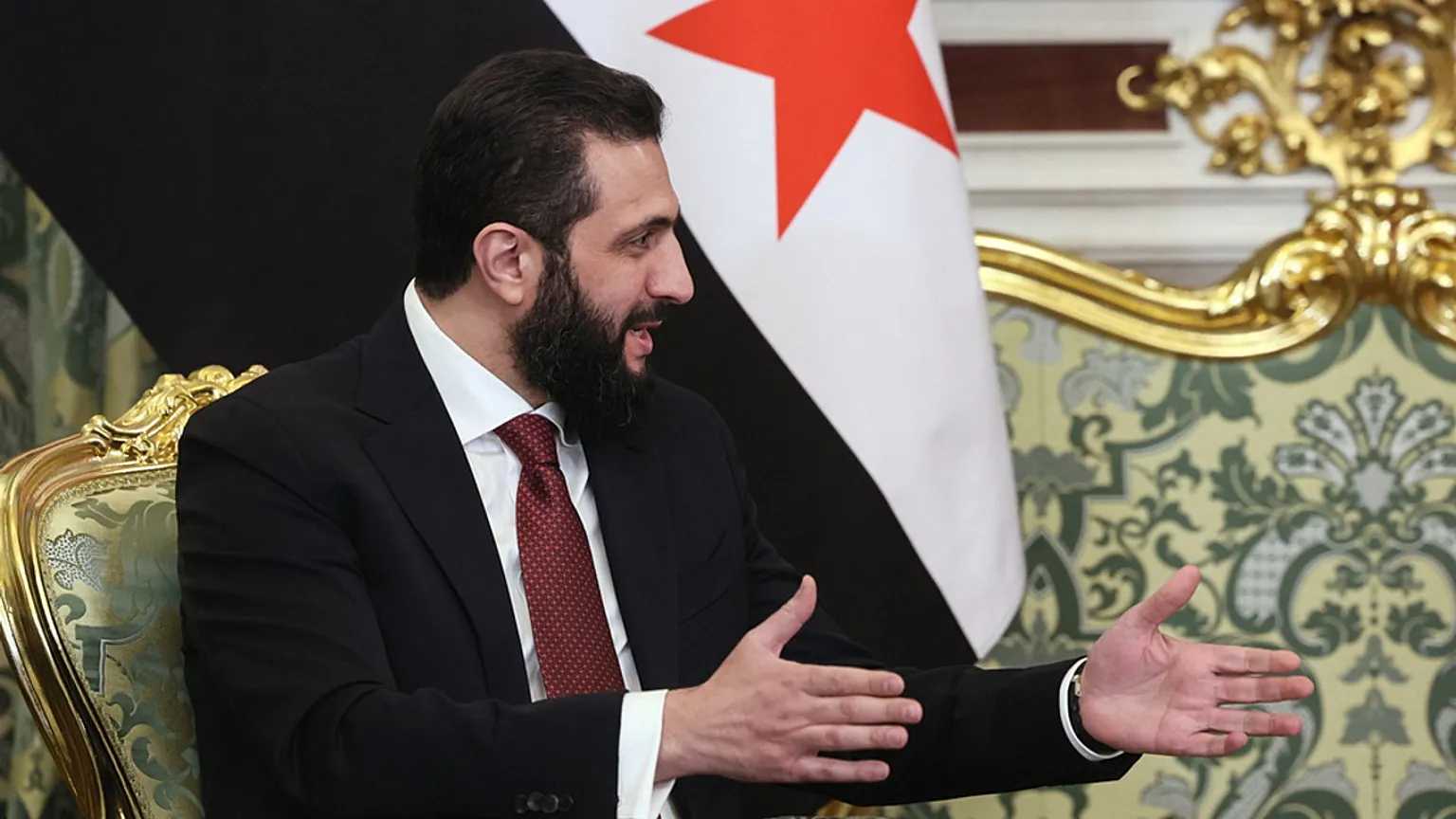
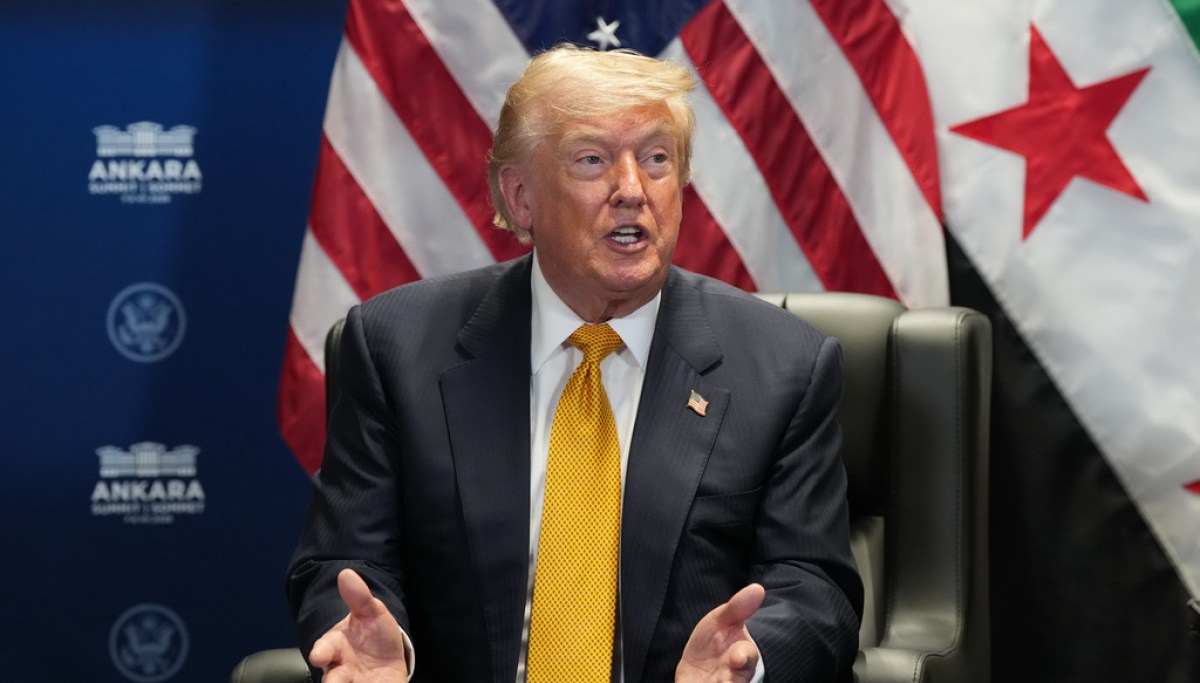
The remarks were delivered on the sidelines of the NATO Summit in Ankara during a bilateral press conference with Syrian President Ahmed al-Sharaa, with Trump saying, ‘I think I will’ remove Syria from the list and that ‘he’s done a great job.’
President Trump has officially rescinded Syria's designation as a state sponsor of terrorism, a status the country held since 1979, Crypto Briefing reported. The announcement came during a bilateral press conference with Syrian interim President Ahmed al-Sharaa on the sidelines of the NATO Summit in Ankara, where Trump said, 'I think I will' remove Syria from the list, adding that al-Sharaa 'has done a great job.'
The decision has been formally notified to Congress and now enters a mandatory 45-day review period before it becomes final, according to Bellingham Herald. Syria joins a short list of countries that have been removed from the designation, which carries sweeping economic and diplomatic consequences.
Syria Has Been on the List Since 1979
Syria was first added to the State Department's state sponsors of terrorism list in 1979. The designation survived decades of U.S.-Syria tensions and the long rule of Bashar al-Assad. It remained in place even as Assad was ousted in late 2024 and a new government took power under Ahmed al-Sharaa, according to Al-Monitor.
The designation blocked Syria from accessing the global financial system. It barred private-sector investment and cut off most forms of U.S. economic engagement. Removing it is a major shift in American foreign policy toward Damascus.
Bipartisan Push Helped Drive Trump's Decision
A bipartisan group of lawmakers sent a letter to Secretary of State Marco Rubio urging the removal. Signatories included Sen. Jeanne Shaheen, Sen. Elizabeth Warren, and Rep. Joe Wilson. They argued that al-Sharaa's government has shown a clear commitment to counterterrorism operations inside Syria since Assad's fall.
The letter contended that keeping Syria on the list no longer made sense given the change in leadership. Lawmakers argued the move would boost U.S. strategic influence in the Middle East. It would also open the door for American companies to invest in Syria's reconstruction, according to Tri-City Herald.
Sanctions Relief Begins But Key Restrictions Remain
The U.S. has already taken steps to ease economic pressure on Syria. Some 518 individuals and entities were removed from the Specially Designated Nationals list, a Treasury Department blacklist. Crypto exchange Binance also lifted restrictions on Syrian users, opening new financial on-ramps, Crypto Briefing reported.
However, targeted sanctions on Bashar al-Assad and some of his close associates remain in place. Sanctions tied to the militant group HTS and related figures are still under review. The 45-day congressional review period could also slow or complicate the final removal of the terrorism designation, according to Mahoning Matters.
Trump Eyes Syria as a Regional Partner Against Hezbollah
Trump went beyond the delisting announcement during the Ankara press conference. He suggested Syria could play a role in addressing Hezbollah and the broader Lebanon situation. He also said Israel may be willing to pull its forces from southern Lebanon, though he offered no specific timeline.
The remarks signal that Washington sees Syria's new government as a potential partner in reshaping the Middle East. A normalized Syria could shift the regional balance against Iran-backed groups. The full scope of that cooperation depends on whether al-Sharaa's government can consolidate power and meet U.S. expectations, according to Al-Monitor.
Sentiment
Mostly NegativeNEGATIVENEUTRALPOSITIVE
Publishers
55
Articles
290
Reach
345
A
AnonymousAuthor