Strawberry Tariffs Loom
US Investigates Mexican Strawberry Prices; Tariffs May Raise Consumer Costs
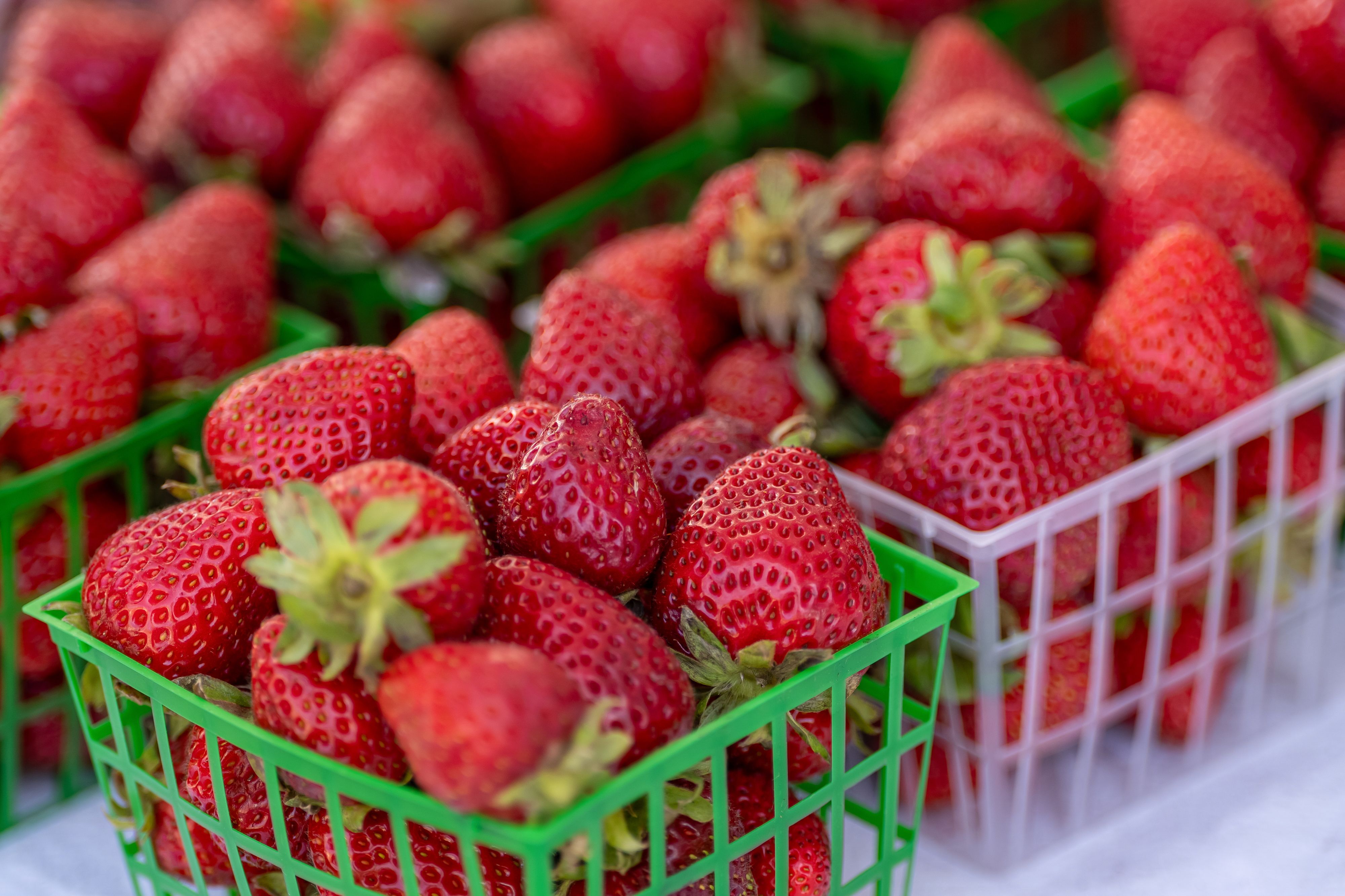
The Trump administration is investigating whether Mexican strawberry growers are selling their fruit in the U.S. at unfairly low prices — a practice known as dumping. If the probe finds wrongdoing, it could lead to new tariffs on Mexican strawberries and higher prices at the grocery store, according to KCCI.
The Commerce Department is expected to release its first ruling on the case by August 18, according to WCVB. The outcome could break decades of duty-free trade for Mexican strawberries under U.S. free trade agreements.
Florida Growers Push for Tariffs on Mexican Rivals
The case was brought by Strawberry Growers for Fair Trade, a coalition of Florida strawberry farmers. They argue that Mexican growers sell winter-harvested strawberries in the U.S. at prices so low that American producers cannot compete, according to WMUR.
Florida is the top U.S. producer of winter strawberries. The state's growers say cheap Mexican imports have hurt their businesses for years. The new investigation gives them a formal path to seek relief through import duties.
Mexico Dominates U.S. Winter Strawberry Supply
Mexico supplies the vast majority of fresh strawberries sold in the U.S. during winter months. American farms, mostly in Florida, cannot grow enough to meet demand on their own during that season, according to WISN.
For decades, Mexican strawberries have entered the U.S. duty-free under trade deals like NAFTA and its successor, the USMCA. A new tariff would mark a sharp shift in that long-standing arrangement, according to KOAT.
Shoppers Could Pay More — But by How Much?
If tariffs are imposed, grocery stores would likely pass the extra cost on to shoppers. Experts say the price impact could be modest, but it would still be felt by consumers who buy fresh strawberries in winter, according to WLKY.
The exact tariff rate has not been set yet and could still change after the August 18 preliminary ruling, according to KETV. The Commerce Department will continue reviewing the case before any final decision is made.
What Happens Next in the Dumping Investigation
A dumping investigation has two steps. First, the Commerce Department decides if goods were sold below fair market price. Then, the U.S. International Trade Commission decides if American farmers were actually harmed, according to WMTW.
Both agencies must rule in favor of the Florida growers for tariffs to go into effect. The Commerce Department's preliminary finding is due by August 18, but the full process could take months longer, according to WBAL TV.
Sentiment
NeutralPublishers
11
Articles
10
Reach
11


