Regional Diplomatic Talks
Middle East Officials Pursue Diplomatic Cooperation and Regional Stability Through Bilateral Talks
Anonymous
Key Points
1
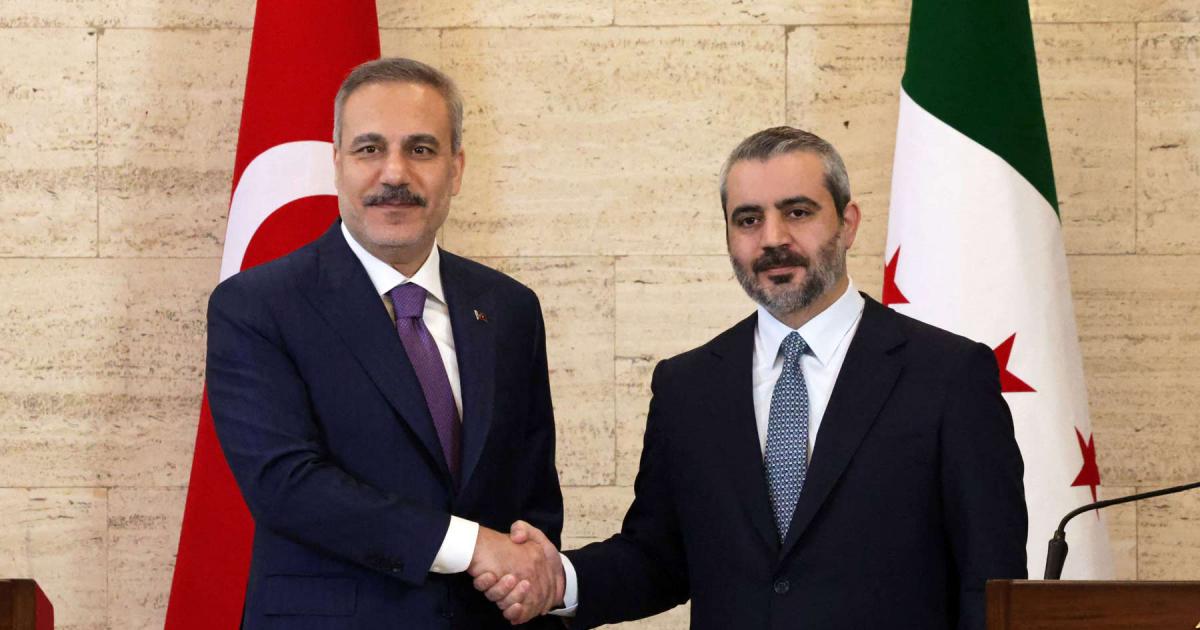
Syrian Foreign Minister Asaad Hassan Shibani said the two countries had signed 40 agreements and memoranda of understanding, while establishing an institutional network linking 22 Syrian ministries and public bodies with their Turkish counterparts.
2
Shibani reported that more than 700,000 Syrians had returned from Türkiye since December 2024, in addition to roughly 1.6 million Syrians returning from abroad and nearly two million internally displaced people returning to their home regions.
3
Libya’s election discussions specifically covered the 4+4 mini-dialogue group’s proposed legal framework, the reconstitution of the High National Elections Commission and the role of the U.N. Support Mission in Libya.
4
The Iraqi foreign minister outlined the government’s policy of prioritizing dialogue on regional-security issues, while the Iraqi parliament speaker and U.S. chargé d’affaires discussed expanding bilateral cooperation across multiple sectors to strengthen the two countries’ partnership.
Middle East officials are pursuing aggressive diplomacy to stabilize the region. Syria and Turkey announced plans to activate a joint commission overseeing political, economic, and security cooperation, while Iraq's foreign minister and the UAE strengthened bilateral ties and agreed to resolve disputes peacefully Middle East Online. Libya's prime minister met with a U.S. State Department adviser to discuss election preparations and oil production.
The push for cooperation reflects a broader shift toward dialogue over confrontation. Syrian Observer reported that Syrian Foreign Minister Asaad Hassan Shibani said the two countries have signed 40 agreements and established an institutional network linking 22 Syrian ministries with Turkish counterparts, signaling deepening integration across government agencies.
Syria and Turkey Accelerate Partnership With Institutional Framework
Syria and Turkey are moving beyond rhetoric to build concrete ties. Syrian Observer reported that 40 agreements and memoranda of understanding have been signed, with an institutional network now linking 22 Syrian ministries and public bodies to Turkish counterparts. A joint commission will oversee political, economic, security, and service cooperation.
The partnership includes major population movements. Since December 2024, more than 700,000 Syrians have returned from Turkey Syrian Observer, while roughly 1.6 million Syrians have returned from abroad overall and nearly 2 million internally displaced people have returned to their home regions. Middle East Online noted that Turkey's Foreign Minister Hakan Fidan announced President Recep Tayyip Erdogan will visit Syria soon to deepen the partnership.
Iraq and UAE Commit to Resolving Disputes Through Dialogue
Iraq's foreign minister and the UAE's foreign minister discussed strengthening bilateral and Gulf ties while focusing on regional security and Yemen. Both officials agreed that disputes should be addressed through peaceful negotiations and dialogue. The talks signal a preference for diplomatic solutions over military confrontation in the volatile Gulf region.
Kurdistan24 reported that Iraq's parliament speaker separately met with the U.S. chargé d'affaires to discuss expanding cooperation and review regional developments. The Iraqi government has prioritized dialogue on regional security issues, emphasizing its role as a bridge between competing interests in the Middle East.
Libya Pushes Forward With Election Preparations and Economic Stability
Libya's Prime Minister Abdul Hamid Dbeibah met with a U.S. State Department adviser to review election preparations and electoral institutions. The discussions covered the 4+4 mini-dialogue group's proposed legal framework and the reconstitution of the High National Elections Commission. Both sides focused on sustaining oil production and ensuring transparency in development spending.
The meeting included plans to strengthen the U.N. Support Mission in Libya's role in the election process. U.S. officials are backing Libya's push toward democratic elections as a way to establish stability and legitimacy. The focus on economic transparency and oil production reflects efforts to build institutional capacity alongside political progress.
Regional Shift Toward Multilateral Cooperation and Stability
The week's diplomatic activity reflects a broader Middle East trend: officials are choosing negotiation over conflict. Iraq emphasizes dialogue on security. Syria and Turkey are building institutional ties. Libya is pursuing elections with international support. The UAE and Iraq are deepening Gulf cooperation. This signals leaders believe dialogue works better than military escalation.
Sentiment
Mostly PositiveNEGATIVENEUTRALPOSITIVE
Publishers
22
Articles
15
Reach
37
Topics
A
AnonymousAuthor


