Somali Piracy Returns
Eight armed men seize cargo vessel off Somalia as naval realignment fuels piracy resurgence.
Key Points
The incident occurred about 4 nautical miles south of Mareeyo, with eight unauthorized armed men boarding and taking control of the vessel; vessel ownership was not disclosed, and as of 1300GMT no group had claimed responsibility.
The latest hijacking follows a wave of tanker seizures in April and May (three tankers carrying oil and fertiliser) and a chemical tanker seized in Yemeni waters and brought to the Somali coast in July, signaling a broader resurgence of attacks off Somalia.
Analysts note that the naval realignment toward Red Sea security has reduced patrol coverage across the Gulf of Aden and the Indian Ocean, potentially widening gaps in piracy surveillance.
EU's Maritime Security Centre – Indian Ocean (MSCIO) joined UKMTO in the alerts, with MSCIO confirming the crew were safe and presenting the incident without naming the vessel.
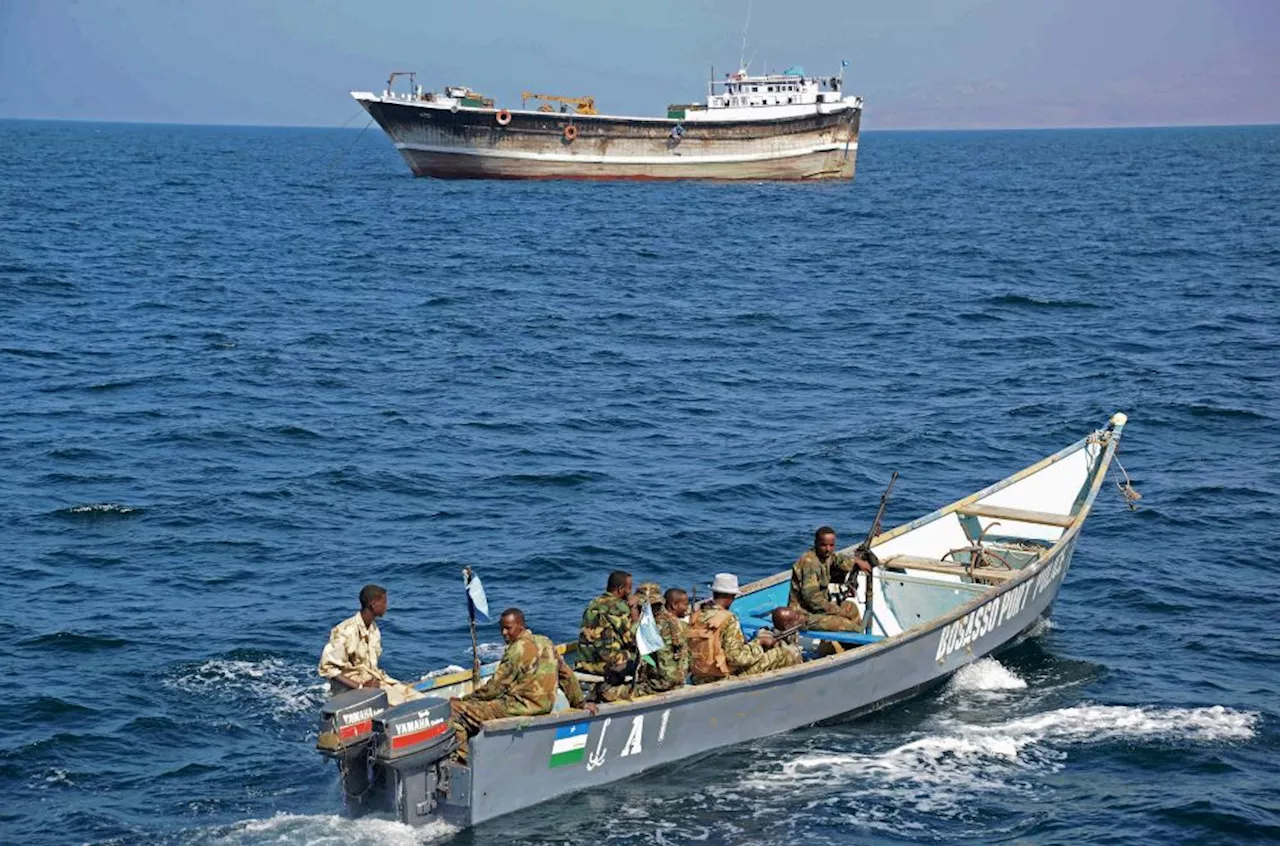
Eight armed men boarded and seized a cargo vessel off the Somali coast, the latest strike in a growing wave of piracy around the Horn of Africa. The incident happened about 4 nautical miles south of Mareeyo, according to UKMTO, the UK's maritime trade monitoring body. No group had claimed responsibility as of 1300 GMT.
The EU's Maritime Security Centre – Indian Ocean confirmed the crew were safe, according to Voice of Emirates. Vessel ownership was not disclosed. The seizure adds to a string of attacks that has rattled global shipping lanes in 2026.
A String of Tanker Seizures Signals Piracy's Return
This hijacking is not an isolated event. Pirates seized three tankers carrying oil and fertiliser in April and May, according to Daily Sabah. Then in July, a chemical tanker was seized in Yemeni waters and brought to the Somali coast. That is at least five vessels taken in roughly four months.
Experts say this marks a clear resurgence of Somali piracy. For nearly a decade after 2012, coordinated naval patrols kept attacks rare. That suppression now appears to be weakening, as 24 News HD and other monitors have tracked multiple incidents across the same shipping corridors.
Naval Shift to Red Sea Leaves Gulf of Aden Exposed
International warships have moved toward the Red Sea in recent months to deal with Houthi missile threats. That shift has pulled patrol assets away from the Gulf of Aden and the broader Indian Ocean. Analysts say the move has opened gaps in piracy surveillance that armed groups are now exploiting.
Head Topics noted that observers see a direct link between reduced patrol coverage and the uptick in attacks. With fewer warships in the area, pirates face less risk when targeting slow-moving cargo ships. The current environment resembles conditions that allowed Somali piracy to peak between 2008 and 2011.
UKMTO and EU Monitors Issue Safety Alerts
UKMTO was first to report the seizure and alert the shipping community. The EU's Maritime Security Centre – Indian Ocean quickly joined, confirming the crew's safety, according to Voice of Emirates. Neither body named the vessel or its flag state. Investigations are ongoing.
Both agencies urged vessels in the region to transit with caution and report any suspicious activity immediately. Security advisories now cover a wide band of waters stretching from the Gulf of Aden to the northern Indian Ocean. Shipping firms have been told to keep bridge watches active around the clock.
What Comes Next for Red Sea and Indian Ocean Shipping
No group has publicly claimed this latest hijacking, and that silence is itself a warning sign. Past Somali piracy waves saw claims come days or weeks later, once ransom talks began. The lack of a claim suggests negotiations may already be happening behind closed doors, or that the group is new and not yet publicly organized.
Shipping insurers and route planners are watching closely. A sustained return of Somali piracy, on top of ongoing Houthi attacks in the Red Sea, could force carriers to reroute around the Cape of Good Hope, adding roughly 10 to 14 days to voyages between Asia and Europe. That would push freight costs higher across global supply chains, according to Daily Sabah.
Sentiment
Mostly NegativePublishers
10
Articles
4
Reach
14


